Air France Charges Passenger €500 for 'Skipped' Flight

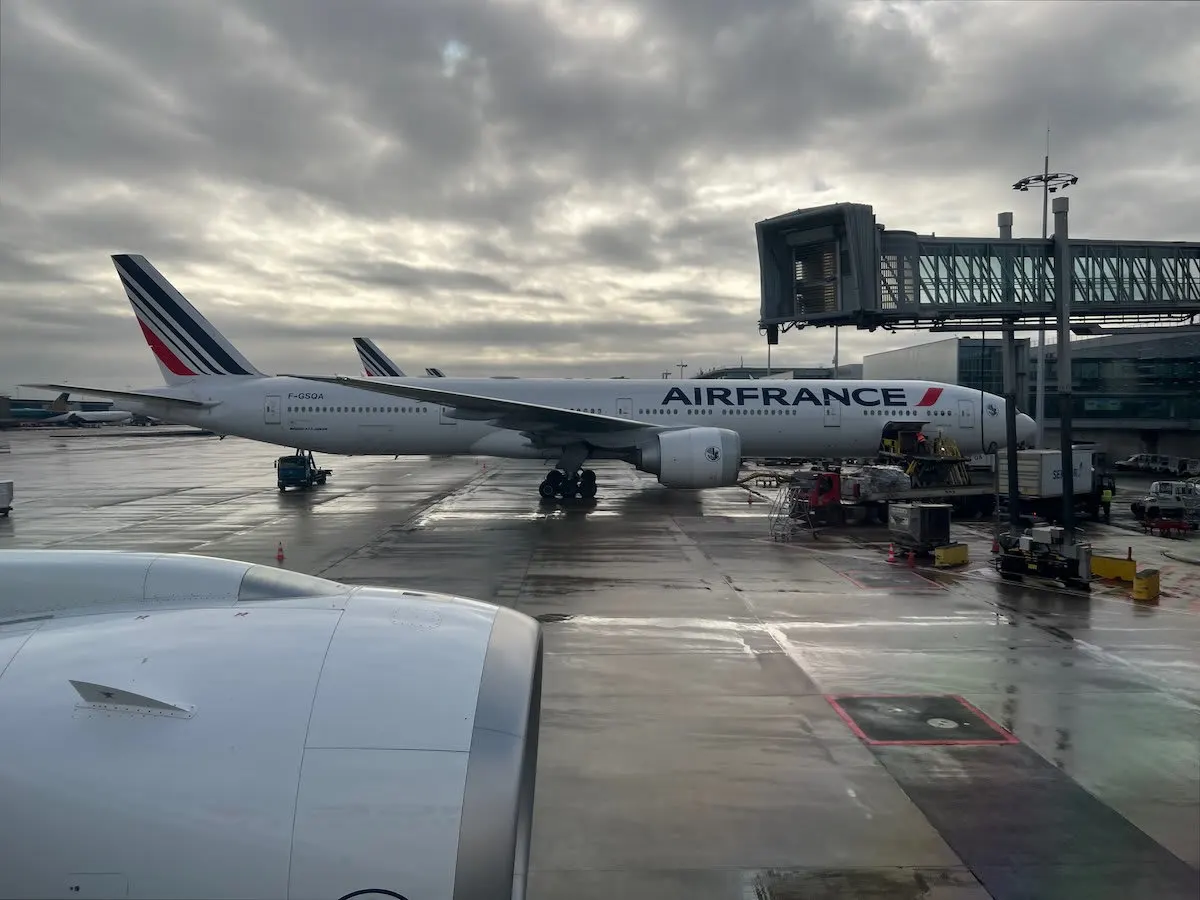
Air France incorrectly penalized a passenger €500 for missing a flight he actually took, highlighting risks of automated sequential ticketing enforcement.
Key Takeaways
- •Air France charged a passenger €500 for a flight he actually took.
- •Penalty is based on Article 3.4 of the General Conditions of Carriage.
- •Automated systems often flag passengers for out-of-sequence ticket use.
- •Passenger presented metadata evidence but was still forced to pay.
Air France Automated Enforcement Error
A passenger traveling on an Air France-KLM itinerary was recently forced to pay a €500 penalty at Paris Charles de Gaulle Airport (CDG) after the airline’s automated systems incorrectly flagged an outbound segment as unflown. The passenger, who had successfully completed the initial flight, was presented with the demand for payment under the airline's Air France out of sequence fee policy. This incident highlights the growing industry reliance on algorithmic detection for hidden city ticketing fines and the operational challenges passengers face when these systems fail.
The Legal Basis for Penalty Charges
According to the Air France General Conditions of Carriage (Article 3.4), the airline enforces strict rules regarding the sequential use of flight coupons. The policy dictates that passengers who fail to use all segments of their ticket in the booked order may be subject to a fixed-rate penalty. For intercontinental Economy and Premium Economy tickets, this fee is set at €500. For travelers in Business or La Première class, the penalty escalates to €1,500. Short-haul flights within Europe carry a lower, though still significant, penalty of €125. These legal notices outline the carrier's right to levy such charges, which are modeled after industry-standard IATA Passenger Standards.
Evidence and Operational Friction
In this specific case, the passenger’s partner, Alexander Nabavi-Noori, reported that the traveler was forced to pay the fee under duress, fearing he would be stranded if he refused. Despite presenting cell network logs, receipts, and metadata confirming the passenger had indeed taken the outbound flight, the ground staff at CDG remained unable to override the system’s error. This scenario underscores the stakeholder impact on passengers, who face immediate financial penalties or denied boarding if automated systems misidentify their travel history. For airline ground operations, the rigid enforcement of these non-compliance penalties often creates friction, as staff may lack the authority to rectify errors based on real-time evidence.
Historical Precedents and Regional Legal Challenges
European carriers have long sought to enforce sequential ticketing to protect complex revenue management models. In 2019, the Lufthansa Skiplagging Lawsuit saw the airline attempt to recover €2,112 from a passenger who skipped a final leg; that case was eventually dropped after lower court dismissals. More recently, the Spain Supreme Court ruled in 2024 that penalizing passengers for skipping flight segments constitutes an abusive practice, effectively preventing Iberia from enforcing such clauses within its jurisdiction. These precedents demonstrate the ongoing tension between airline revenue protection and consumer rights.
Algorithmic Enforcement Trajectory
This development indicates a shift toward aggressive, automated enforcement of ticket sequencing. As airlines increasingly deploy algorithmic tools to flag out-of-sequence usage, the margin for human error in ticketing systems appears to be narrowing. Historically, airlines have argued that these rules are essential to preserve pricing structures and prevent operational delays caused by waiting for missing passengers. However, the move toward automated enforcement—without robust human-in-the-loop verification—poses a risk to passenger satisfaction and regulatory compliance. The current trajectory suggests that until airlines provide ground agents with the tools to verify passenger metadata, disputes regarding incorrect flagging will likely continue to rise.
Resolution and Next Steps
The passenger’s experience underscores the immediate need for improved dispute resolution mechanisms at the gate. As of May 2026, the airline continues to maintain its policy, and passengers on multi-city itineraries remain vulnerable to automated errors. Travelers affected by such penalties are typically advised to retain all boarding passes, digital receipts, and location metadata to support future claims for reimbursement. While the industry continues to debate the fairness of these fees, the Air France policy remains the governing document for all passengers, and the airline has not yet announced revisions to its automated flagging procedures.
Why This Matters for Passengers
For travelers, this incident serves as a warning about the risks associated with modern, automated ticketing enforcement. When an algorithm incorrectly flags a segment as missed, the burden of proof often falls on the passenger, who may have little recourse at the airport. This situation signals a broader need for transparency in how airlines track passenger movement and a potential requirement for regulators to intervene in cases where automated systems impose financial penalties without accurate, verified data.
Frequently Asked Questions
- What is the penalty for skipping a flight segment on Air France?
- Air France imposes a €500 fixed-rate fee for out-of-sequence use of intercontinental Economy and Premium Economy tickets. This penalty increases to €1,500 for Business and La Première class, and is €125 for short-haul European flights.
- Why do airlines enforce sequential ticket use rules?
- Airlines enforce these rules to protect complex pricing models and prevent operational disruptions, such as delays caused by waiting for passengers who have skipped segments of their itinerary.
omniflights.com provides comprehensive commercial aviation news covering airlines, aircraft, and airports. For reporting on UAP sightings, investigations, and aviation-related encounters, see the UAPs section at omniflights.com/uaps.

Written by Hardik Vishwakarma
Co-Founder & Aviation News Editor leading initiatives that improve trust and visibility across the global aviation industry. Covers airlines, airports, safety, and emerging technology.
Visit ProfileYou Might Also Like
Starlux Airlines Confirms Sydney to Taipei Flights for 2027
British Airways Retrofits A380 with 106 Club Suite Seats
EasyJet Cuts 700k Winter Seats as Fuel Costs Climb
PIA to Lease Two Norse Atlantic 787-9s for UK Routes
Kalitta Air Evaluates Airbus A350F for Cargo Modernization
