Air Canada CRJ-900 Collides with Vehicle at LaGuardia; Two Pilots Killed

Co-Founder & CEOAviation News Editor delivering trusted coverage across the global aviation industry.
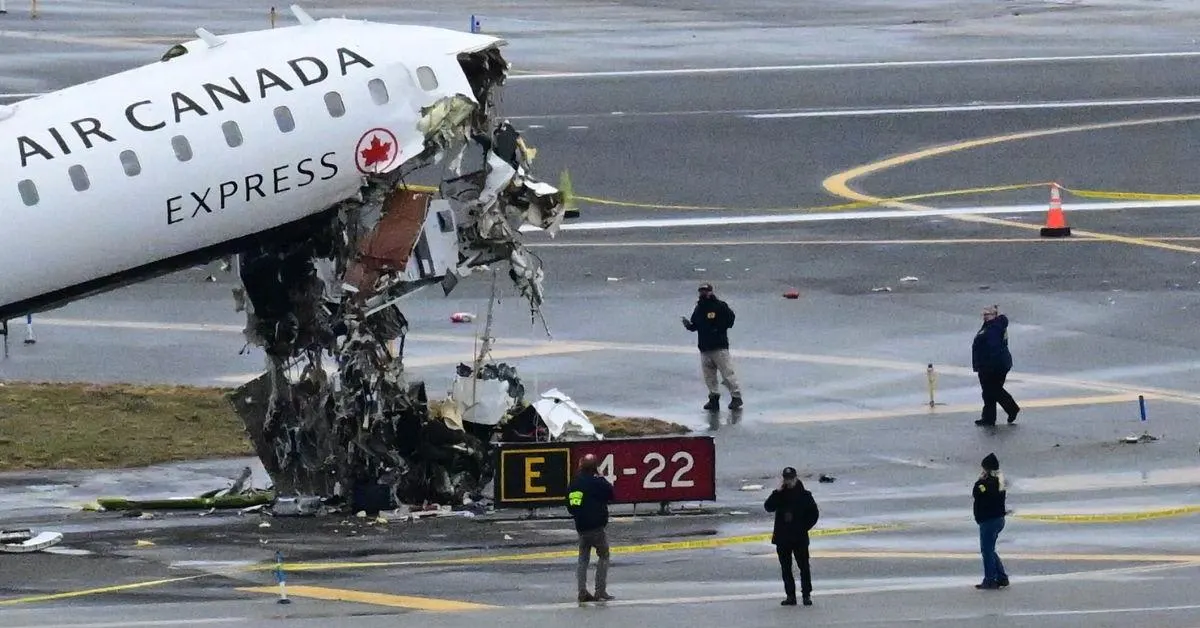
An Air Canada Express CRJ-900 collided with an airport fire truck at LaGuardia, killing two pilots and prompting a major NTSB investigation.
Key Takeaways
- •Results in two pilot fatalities and 41 hospitalizations after a CRJ-900 collided with an ARFF truck.
- •Prompts a major NTSB investigation into air traffic control communication and ground vehicle clearance.
- •Disrupts LaGuardia operations, causing over 630 flight cancellations and 170+ delays.
- •Highlights systemic risks from rising runway incursions and concerns over ATC understaffing.
An Air Canada Express flight collided with an airport vehicle during its takeoff roll at New York's LaGuardia Airport (LGA) on the night of March 22, 2026, resulting in the deaths of both pilots and dozens of injuries. The incident involved Air Canada Express Flight 8646, a Bombardier CRJ-900 operated by Jazz Aviation, and a Port Authority Aircraft Rescue and Firefighting (ARFF) truck. The collision has triggered a major investigation into runway safety and air traffic control procedures at one of the nation's busiest airports.
The accident underscores growing concerns about ground safety and operational coordination within the U.S. aviation system. According to FlightAware, the immediate airport closure led to 637 canceled flights and 174 delayed flights, causing significant disruption for airlines and passengers. The National Transportation Safety Board (NTSB) has dispatched a go-team to investigate the circumstances of the runway incursion, focusing on communications between air traffic control, the flight crew, and the ground vehicle.
Investigation Details
The incident occurred as the CRJ-900, carrying 72 passengers and 4 crew members, was accelerating for departure. Flightradar24 ADS-B data indicates the aircraft was traveling at approximately 160 km/h (100 mph) at the moment of impact. Both pilots, identified as Captain Antoine Forest and First Officer Mackenzie Gunther, were killed in the collision. The Port Authority of New York and New Jersey confirmed that 41 individuals, including passengers, crew, and two ARFF officers from the truck, were transported to local hospitals for treatment.
The NTSB has recovered the cockpit voice recorder and flight data recorder, which are critical to understanding the sequence of events. "The runway will remain closed for days as we document the scene," stated NTSB Chair Jennifer Homendy during a press briefing. A key focus of the investigation, under the NTSB's Runway Incursion Investigation Protocols, will be analyzing air traffic control clearances. The Federal Aviation Administration (FAA), which oversees ATC operations, is separately investigating whether controller staffing levels contributed to the accident. Reports indicate controllers at LGA were working combined positions during the nighttime shift, a situation potentially exacerbated by a partial government shutdown impacting Department of Homeland Security and Transportation Security Administration funding.
Former Department of Transportation Inspector General Mary Schiavo highlighted potential communication breakdowns, noting, "We seem to have three people that needed to know what's going on... and we don't hear any co-ordination among them." Port Authority Executive Director Kathryn Garcia confirmed the ARFF truck was responding to a separate emergency involving a United Airlines flight at the time of the incursion.
Stakeholder and Operational Impact
The collision has had a severe impact on the primary stakeholders. For Jazz Aviation, the tragedy involves the profound loss of two pilots, the destruction of a CRJ-900 aircraft, and significant potential liability from the 41 hospitalized individuals. The Port Authority of New York and New Jersey faces the loss of an expensive ARFF vehicle, injuries to two of its officers, and intense scrutiny from the NTSB over its ground vehicle operational protocols. For airlines operating at LaGuardia, the immediate airport closure and subsequent runway unavailability created widespread operational and financial disruption.
Context and Historical Precedents
This accident occurs against a backdrop of rising runway incursions at major U.S. airports, bringing renewed focus to ground safety management systems. The circumstances bear a striking resemblance to a previous fatal incident. In November 2022, LATAM Peru Flight 2213 collided with an ARFF truck on the runway at Jorge Chávez International Airport in Lima, killing two firefighters. The investigation into that accident cited critical failures in ATC communication and coordination, a pattern that investigators will likely examine closely in the LaGuardia case.
Another relevant precedent is the October 2014 crash of Unijet Flight 074P in Moscow, where a business jet collided with a snowplow during takeoff, resulting in four fatalities. That incident led to criminal charges against both the snowplow driver and air traffic control personnel, highlighting the potential for legal accountability in cases of fatal ground collisions.
What Comes Next
The NTSB is expected to release its preliminary report on the accident in April 2026. This initial document will outline the basic facts of the investigation but will not state a probable cause. The Port Authority has indicated that the affected runway is expected to reopen in late March 2026, following the completion of the NTSB's on-site work and debris clearance.
The Air Line Pilots Association (ALPA), the union representing the deceased pilots, issued a statement mourning the "profound tragedy" and emphasizing the crew's dedication. The full NTSB investigation, which will include a detailed analysis of ATC audio, radar data, and airport procedures, will likely take 12 to 24 months to complete.
Why This Matters
This fatal runway incursion at a major U.S. hub places a harsh spotlight on systemic vulnerabilities in aviation ground safety. The event forces a critical re-examination of the interplay between air traffic control staffing, communication protocols, and ground vehicle procedures, particularly during complex airport operations. The findings of the NTSB investigation will have significant implications for ATC standards, airport emergency response protocols, and safety management systems across the industry.
Access up-to-date commercial aviation news and airline industry developments via omniflights.com. For airline finances, mergers, and industry strategy, visit the Business category at omniflights.com/business.
Written by Hardik Vishwakarma
Co-Founder & Aviation News Editor leading initiatives that improve trust and visibility across the global aviation industry. Covers airlines, airports, safety, and emerging technology.
Visit ProfileYou Might Also Like
Discover more aviation news based on similar topics

Families Demand DCA Midair Collision Safety Reforms
Families of 67 victims from the 2025 DCA midair collision are pressing Congress for mandatory ADS-B In technology to prevent future aviation tragedies.
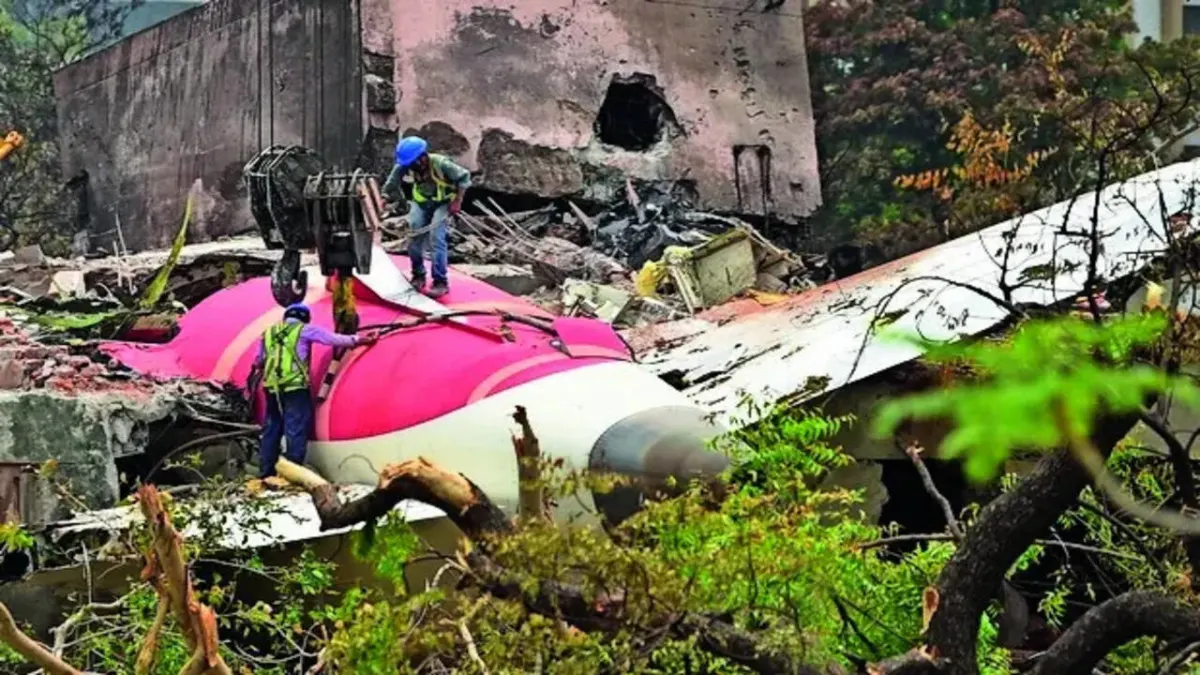
FAS Challenges AAIB Over Boeing 787 Safety Data
The Foundation for Aviation Safety is urging the AAIB to issue safety warnings for the Boeing 787 fleet following the fatal Air India 171 crash.
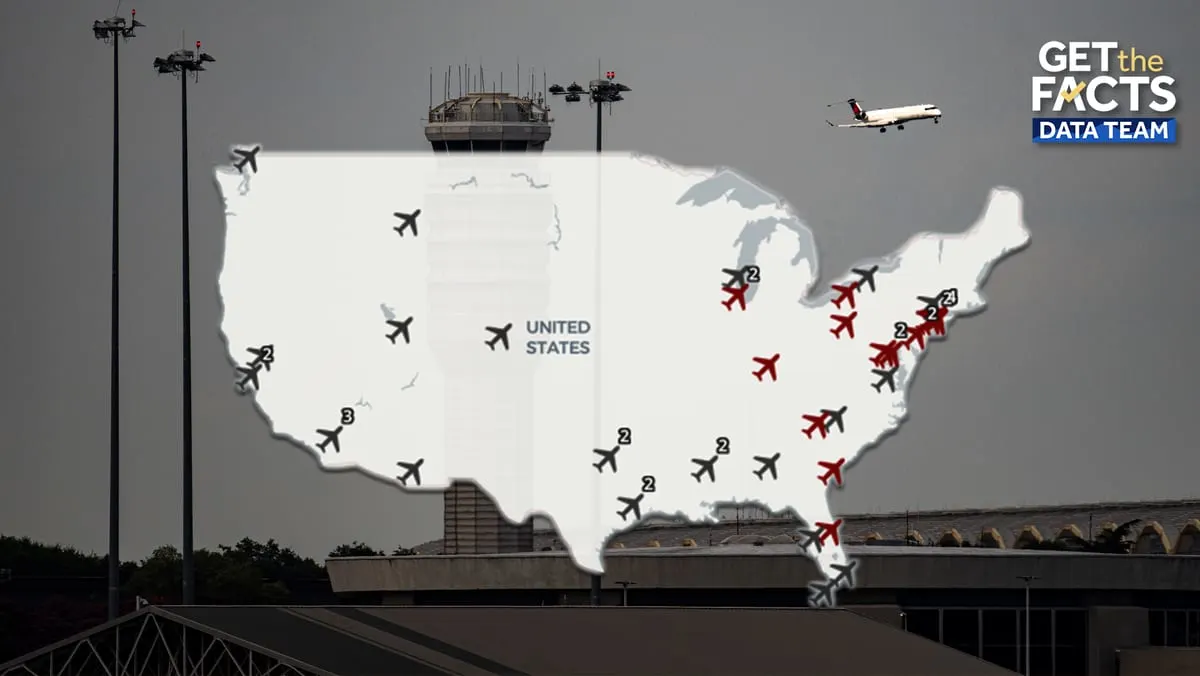
NTSB Safety Recommendations Lag Amid 6 Monthly Near-Misses
Approximately 6 near-miss incidents occur monthly at U.S. airports as 270 NTSB safety recommendations remain unaddressed by federal regulators.
NTSB Rejects FAA Safety Responses After 67-Fatality Crash
The NTSB labeled 11 FAA responses to 2025 DCA mid-air collision recommendations as unacceptable, citing the lack of a mandatory ADS-B In requirement.
EASA Orders Urgent Airbus A380 Wing Spar Inspections
The EASA ordered urgent inspections on 16 Airbus A380s after discovering wing spar cracks that could compromise structural integrity.
Ryanair Flight RK514 Diverts to Birmingham After Emergency
Ryanair flight RK514 diverted to Birmingham Airport on September 13, 2026, following a medical emergency involving a passenger.