AI Transforms Private Jet Operations, Axiom Aviation Reports

Co-Founder & CEOAviation News Editor delivering trusted coverage across the global aviation industry.

Axiom Aviation reports AI is now critical for private jet safety, predictive maintenance, and asset valuation, impacting owner decisions and resale value.
Key Takeaways
- •Reduces maintenance costs by up to 25% through predictive analytics.
- •Enhances flight safety with flight envelope protection systems.
- •Boosts aircraft resale value through digitized health records.
- •Projected to create a $22.69 billion AI in Aviation market by 2035.
The integration of Artificial Intelligence (AI) into private aviation is accelerating, with the market projected to grow from $5.71 billion in 2025 to $22.69 billion by 2035, according to a report from Market Research Future. This technological shift, highlighted in a recent analysis by aircraft advisory firm Axiom Aviation, is moving beyond conceptual discussions to become a critical factor in operational safety, cost management, and the long-term asset value of business jets.
For aircraft owners and operators, AI is primarily addressing three core concerns: enhancing safety, improving aircraft availability, and controlling operational costs. The technology's adoption is influencing everything from cockpit operations to maintenance schedules and is increasingly a key consideration in aircraft transactions.
Enhancing Safety and Pilot Efficiency
Modern business jet cockpits are increasingly equipped with AI-driven avionics designed to reduce pilot workload and improve situational awareness. A key feature is flight envelope protection, a system governed by regulations such as the Federal Aviation Administration's (FAA) 14 CFR Part 25. This software acts as a digital safety net, preventing flight control inputs that could exceed the aircraft's structural or aerodynamic limits, thereby lowering the risk of stalls or structural damage.
These systems assist flight crews by processing vast amounts of data in real-time. Smart monitoring algorithms can detect subtle deviations in system performance, alerting pilots to potential issues before they escalate. This technology serves not to replace pilots but to augment their capabilities, automating repetitive monitoring tasks and allowing the crew to focus on higher-level decision-making, especially during critical flight phases like takeoff and landing.
Predictive Maintenance and Cost Control
One of the most significant financial impacts of AI in aviation is the shift from reactive to predictive maintenance. The global predictive airplane maintenance market is projected to reach $18.87 billion by 2034, according to Fortune Business Insights. Instead of fixing components after they fail or on a rigid schedule, AI systems monitor the real-time health of engines and other critical systems.
By analyzing performance data, these systems can forecast potential failures, allowing maintenance to be scheduled proactively. Advanced platforms can relay fault data to ground crews while the aircraft is still in flight, enabling technicians to have parts ready upon arrival. According to Market Research Future, this approach can reduce overall maintenance costs by approximately 25%, decrease downtime by 15%, and increase labor productivity by 20%. This transition requires Maintenance, Repair, and Overhaul (MRO) providers to adapt their workflows and digital capabilities, a process supported by regulatory guidance like FAA Advisory Circular (AC) 43-218.
Impact on Aircraft Valuation and Sales
The digital health of an aircraft is becoming as important as its airframe and engines in determining its market value. Buyers in the pre-owned market are increasingly scrutinizing an aircraft's digital records. A jet with a verifiable history of proactive, data-driven maintenance is considered a lower-risk asset and can command a higher price.
This trend is particularly relevant within professional dealer networks. According to the International Aircraft Dealers Association (IADA), of which Axiom Aviation is an accredited member, its certified dealers account for approximately 60% of global pre-owned aircraft transactions by dollar volume. The emphasis on digitized, transparent maintenance histories within this market segment underscores the financial importance of AI adoption for asset owners.
Technical and Regulatory Context
The current evolution in private aviation mirrors the shift toward condition-based maintenance seen in commercial airlines following the introduction of Boeing's Airplane Health Management (AHM) in the mid-2000s. However, the complexity of these automated systems also introduces new considerations. The failures of the MCAS flight control software on the Boeing 737 MAX in 2018-2019 serve as a critical reminder of the risks associated with improper implementation and the need for robust pilot training.
While AI offers clear benefits, some aviation safety advocates caution that over-reliance on automation could potentially degrade manual flying skills. Furthermore, financial analysts note that the high cost of retrofitting older aircraft with modern AI-driven avionics may not provide a positive return on investment for all operators, particularly those with lower utilization rates.
What Comes Next
The regulatory framework continues to evolve to support these technological advancements. The European Union Aviation Safety Agency (EASA) is moving toward full implementation of its Part 145 digital compliance requirements, which mandate digital record-keeping for maintenance organizations, by January 2028. In the United States, the FAA's deadline for Part 5 Safety Management System (SMS) declarations of compliance is set for May 28, 2027, further pushing the industry toward data-driven safety protocols.
Why This Matters
The integration of AI is fundamentally changing the calculus of private aircraft ownership and management. It provides measurable improvements in safety and operational efficiency while directly impacting an aircraft's financial lifecycle. For owners, brokers, and financiers, understanding an aircraft's digital capabilities is no longer a niche specialty but a core component of responsible asset management.
Get breaking commercial aviation news and expert airline analysis at omniflights.com. Track policy changes, airspace rules, and global aviation governance in the Regulatory category at omniflights.com/regulatory.
Written by Hardik Vishwakarma
Co-Founder & Aviation News Editor leading initiatives that improve trust and visibility across the global aviation industry. Covers airlines, airports, safety, and emerging technology.
Visit ProfileYou Might Also Like
Discover more aviation news based on similar topics
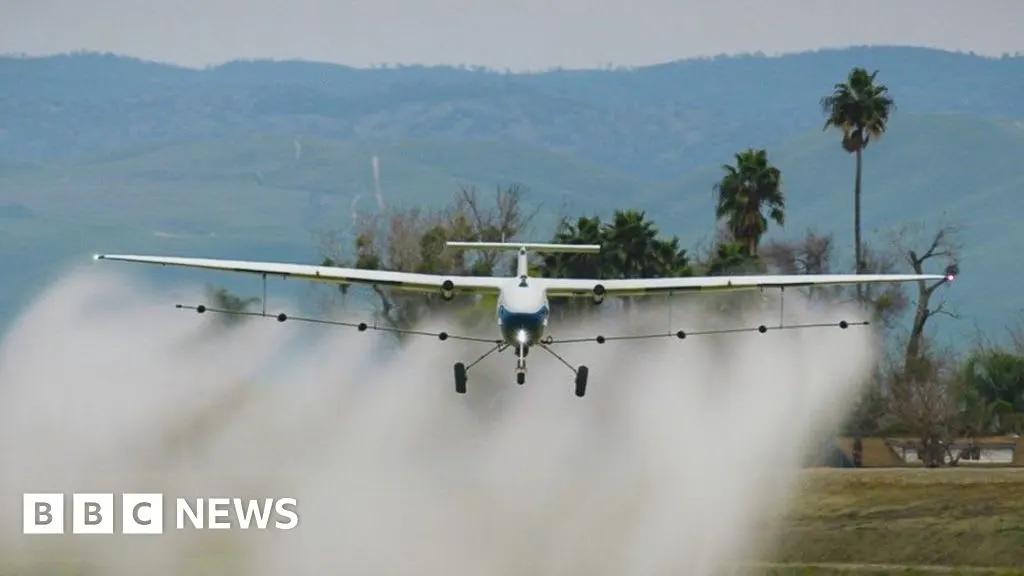
Autonomous Fixed-Wing Aircraft Development Gains Momentum
Start-ups are advancing autonomous fixed-wing aircraft for agricultural and cargo tasks, aiming to prove safety before pursuing passenger operations.

Boeing 787-9 Completes Short Inlet Tests in Montana
Boeing completed 52 hours of flight tests on a 787-9 with an experimental 30% shorter engine inlet to evaluate noise and fuel efficiency.

Airbus A321neo to Test Folding Wings of Tomorrow Project
Airbus launched a three-year flight-test campaign using an A321neo to evaluate folding wings that extend up to five meters.
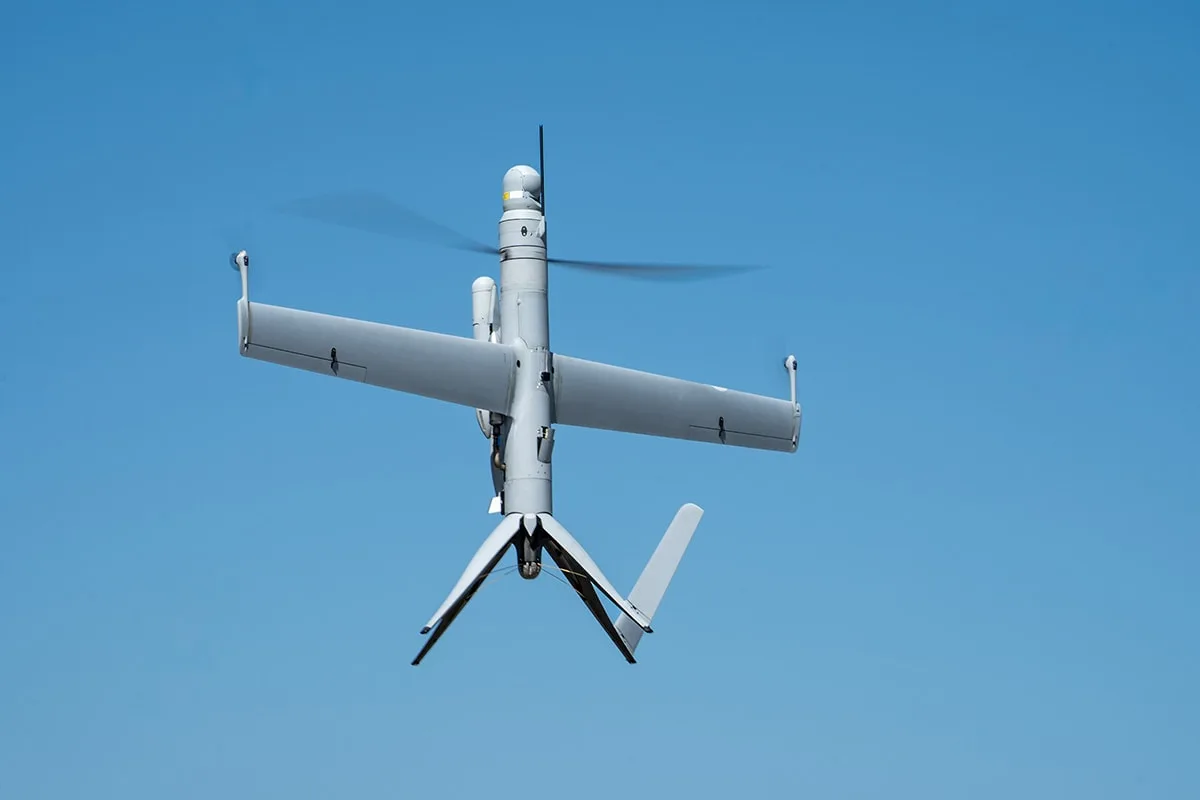
Voyageur Orders Canada's First Airbus U030 Flexrotor
Voyageur Aviation ordered Canada's first Airbus U030 Flexrotor, a 25 kg tactical drone, to expand its maritime and Arctic surveillance capabilities.
LATAM Selects SES Multi-Orbit Wi-Fi for 60+ New Jets
LATAM Airlines signed a multi-year deal with SES to equip more than 60 incoming Airbus and Embraer aircraft with multi-orbit satellite Wi-Fi.

Lufthansa 787-9 Tests Tech to Cut Fuel and Noise
Boeing, Lufthansa, and Rolls-Royce partnered to test emissions-reducing technologies on a 787-9, targeting a 20% fuel efficiency improvement.