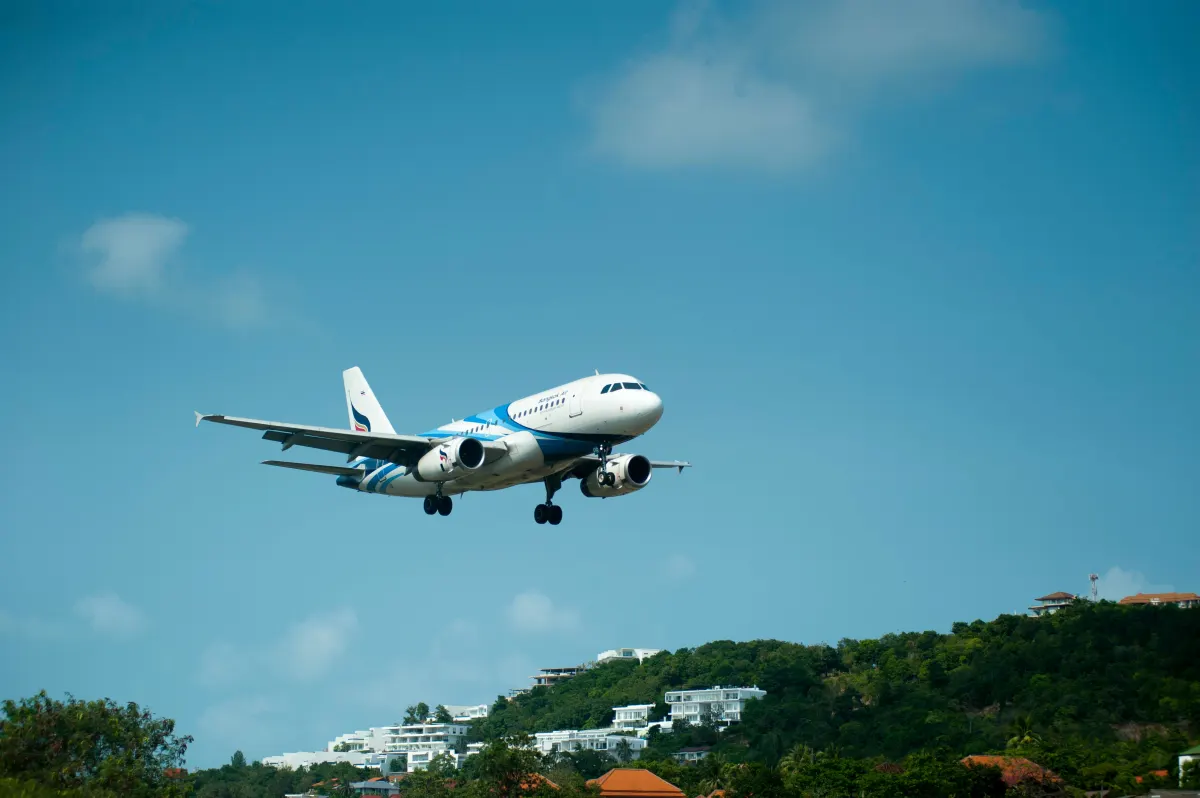
XiamenAir Launches Direct Wuhan-Jakarta Route with 737 MAX 8


XiamenAir has launched a new direct flight from Wuhan to Jakarta, expanding its Southeast Asia network from central China's secondary aviation hubs.
Key Takeaways
- •Launches 4x weekly direct service between Wuhan and Jakarta.
- •Operates the route using a fuel-efficient Boeing 737 MAX 8 aircraft.
- •Expands direct connectivity from secondary Chinese hubs to Southeast Asia.
- •Carried over 150 passengers on its inaugural flight.
XiamenAir has launched a new direct passenger route connecting Wuhan, the capital of China's Hubei Province, with Jakarta, Indonesia, marking the first nonstop service between the two cities. The inaugural flight, MF8683, departed on Sunday with more than 150 passengers on board, signaling a strategic expansion of direct air links between central China and Southeast Asia. The service operates four times a week using a Boeing 737 MAX 8 aircraft.
The new route addresses a notable gap in connectivity, providing a direct link for business and leisure travelers who previously had to connect through major hubs. According to Wuhan Tianhe International Airport, this service is a key component in expanding the city's international route network. For passengers in Hubei Province, the direct flight significantly reduces travel time to Indonesia's capital.
Operational Details
The service between Wuhan Tianhe International Airport (WUH) and Jakarta's Soekarno-Hatta International Airport (CGK) operates every Monday, Wednesday, Friday, and Sunday. According to the airline's official schedule, flight MF8683 departs from Wuhan at 4:40 p.m. local time. The route is operated by XiamenAir, a major Chinese carrier. Data from flight tracking services confirms the use of a Boeing 737 MAX 8 for the service, which provides enhanced fuel efficiency for the medium-haul flight. The establishment of such international routes operates under the framework of the Bilateral Air Service Agreement between the Civil Aviation Administration of China (CAAC) and its Indonesian counterpart, the DGCA.
Route Network Strategy
This launch is indicative of a broader industry trend where Chinese airlines are increasingly establishing direct international routes from secondary hubs, bypassing congested primary airports like Beijing and Shanghai. This strategy aims to capture growing demand from China's populous central regions. The Wuhan-Jakarta service is part of a larger push by XiamenAir to connect China with key destinations in the Association of Southeast Asian Nations (ASEAN) region, supporting post-pandemic recovery in tourism and business travel.
Reinforcing this strategic direction, the airline launched a direct flight from Nanjing to Jakarta just one day prior to the Wuhan service. In April 2026, the successful launch of the Nanjing-Jakarta connection demonstrated a pattern of connecting multiple secondary Chinese cities directly to Indonesia's capital, maximizing the operational efficiency of its narrowbody fleet.
Boeing 737 MAX 8 vs. 737-800
The selection of the Boeing 737 MAX 8 for this route is significant due to its operational advantages over the previous generation 737-800.
| Metric | Boeing 737 MAX 8 | Boeing 737-800 |
|---|---|---|
| Range | 3,550 nmi | 2,935 nmi |
| Engines | CFM LEAP-1B | CFM56-7B |
| Fuel Efficiency | 14% improvement | Baseline |
Impact on Travelers and Hubs
The primary beneficiaries of this new route are travelers in Hubei Province, who now have a more convenient and faster travel option to Indonesia. The direct service eliminates the need for time-consuming layovers in other cities. For Wuhan Tianhe International Airport (WUH), the route strengthens its position as a growing international hub in central China, increasing passenger throughput and global connectivity. For XiamenAir, the route expands its market share in the competitive China-Southeast Asia corridor and allows for efficient utilization of its modern Boeing 737 MAX 8 fleet.
Technical Analysis
The launch of the Wuhan-Jakarta service is not an isolated event but rather a clear indicator of a strategic shift in Chinese aviation. Airlines are leveraging the economic and range capabilities of new-generation narrowbody aircraft like the 737 MAX 8 to develop point-to-point international routes that were previously unviable. This model allows carriers to tap into underserved markets in large provincial capitals, bypassing the capacity constraints and higher operating costs of primary hubs. The move reflects the maturation of China's aviation network, where secondary cities are now large enough to sustain direct long-haul and medium-haul international demand, a trend accelerated by the post-pandemic recovery of regional travel.
What Comes Next
With the route now operational, XiamenAir's Route Planning Department is expected to conduct its first 100-day performance review in July 2026. This review will assess passenger load factors, profitability, and operational reliability to determine the service's long-term viability and potential for frequency adjustments. The success of this route and the parallel Nanjing service could encourage further expansion from other secondary Chinese cities to key destinations across Asia.
Why This Matters
This new route highlights a strategic evolution in how Chinese airlines are connecting the country to the world, focusing on direct services from major provincial economic centers. For the aviation industry, it demonstrates the growing importance of fuel-efficient narrowbody jets in opening new international markets. For travelers, it translates to greater convenience and more options for direct travel between central China and Southeast Asia.
Frequently Asked Questions
- Which airline operates the direct flight from Wuhan to Jakarta?
- XiamenAir operates the direct flight, designated MF8683, between Wuhan Tianhe International Airport and Jakarta's Soekarno-Hatta International Airport.
- What aircraft is used on the new Wuhan to Jakarta route?
- The route is operated with a Boeing 737 MAX 8 aircraft. This new-generation narrowbody offers improved fuel efficiency and up to 14% lower fuel consumption compared to the older Boeing 737-800.
- How often does the XiamenAir flight between Wuhan and Jakarta operate?
- The service operates four times a week, with flights scheduled on Mondays, Wednesdays, Fridays, and Sundays, departing from Wuhan in the late afternoon.
For in-depth airline coverage and commercial aviation news, omniflights.com delivers timely industry insights. Stay informed on aviation incidents, investigations, and best practices in the Safety category at omniflights.com/safety.

Written by Hardik Vishwakarma
Co-Founder & Aviation News Editor leading initiatives that improve trust and visibility across the global aviation industry. Covers airlines, airports, safety, and emerging technology.
Visit ProfileYou Might Also Like
British Airways Retrofits A380 with 106 Club Suite Seats
EasyJet Cuts 700k Winter Seats as Fuel Costs Climb

PIA to Lease Two Norse Atlantic 787-9s for UK Routes
Kalitta Air Evaluates Airbus A350F for Cargo Modernization

American Airlines Expands Starlink to 1,000+ Mainline Jets