Why Airlines Dim Cabin Lights for Takeoff and Landing

Co-Founder & CEOAviation News Editor delivering trusted coverage across the global aviation industry.
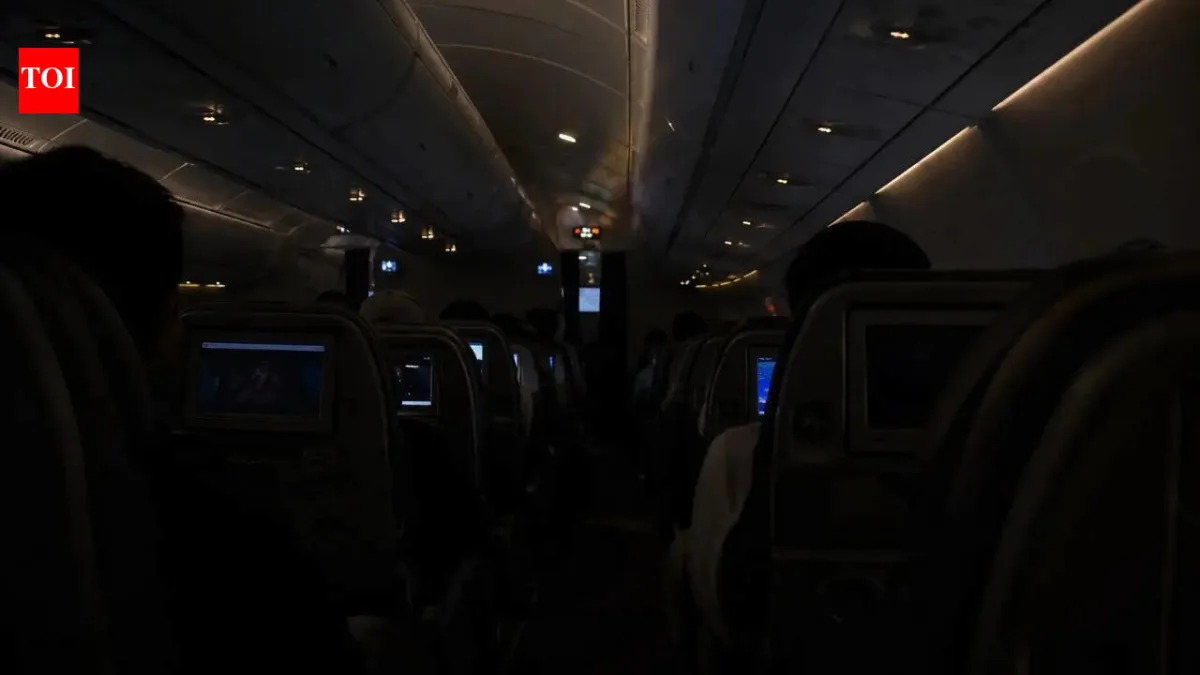
Airlines dim cabin lights to aid passenger dark adaptation, ensuring faster evacuations during emergencies as mandated by FAA safety standards.
Key Takeaways
- •Dimmed lights allow eyes to adapt to darkness for better emergency visibility.
- •FAA 14 CFR 25.803 mandates a 90-second evacuation capability for aircraft.
- •Photoluminescent floor strips remain visible during total electrical system failures.
- •Dark adaptation is critical for locating exits in smoke-filled cabin environments.
The Physiological Basis for Cabin Dimming
Most air travellers have experienced the moment when the cabin suddenly becomes darker just before an aircraft lines up on the runway or begins its descent. This routine procedure is not merely for passenger comfort; it is a critical airplane cabin lighting safety protocol. According to the Federal Aviation Administration (FAA), the human eye requires approximately 30 minutes to fully adapt to dark conditions. By dimming the lights during critical phases of flight, airlines allow the eyes of passengers and crew to adjust to lower light levels, ensuring they can effectively navigate the cabin if an emergency occurs.
Regulatory Compliance and Evacuation Standards
This practice is deeply rooted in emergency evacuation rules designed to save lives in the event of a post-crash fire or power failure. Under 14 CFR 25.803 (Code of Federal Regulations), transport category aircraft must demonstrate the capability to be fully evacuated within 90 seconds using only half of the available emergency exits. The dimming of lights acts as a pre-flight physiological preparation that complements the technical requirements of 14 CFR 25.812, which mandates that emergency lighting systems—including floor proximity escape path markings and illuminated exit signs—must meet specific minimum illumination thresholds, such as 160 microlamberts.
Industry Trends in Emergency Egress
As the industry evolves, manufacturers are increasingly adopting photoluminescent floor path markings. These non-electric strontium aluminate strips charge via ambient cabin lighting and remain visible even during total electrical failures. These advancements are essential, as aviation safety researchers emphasize that real-world factors, such as passenger panic and smoke, significantly complicate evacuations. The 14 CFR Part 25 regulations serve as the primary framework for these airworthiness standards, ensuring that interior design supports rapid egress.
Historical Precedents and Safety Lessons
Historical incidents have consistently highlighted the importance of interior visibility. In the 1978 crash of United Airlines Flight 173, the National Transportation Safety Board (NTSB) noted that a dark cabin made finding exits difficult once emergency hatches were removed. More recently, the January 2024 collision involving Japan Airlines Flight 516 demonstrated that even when an evacuation takes longer than the 90-second benchmark—in that case, approximately 18 minutes—functional emergency lighting and rigorous crew training remain the primary determinants of survival. The FAA Advisory Circulars provide the technical guidance for these evacuation demonstrations, helping airlines maintain safety compliance.
The Debate Over Evacuation Testing
Despite these safety measures, stakeholders such as FlyersRights have argued that current 90-second evacuation standards are unrealistic. Critics suggest that testing protocols rely too heavily on able-bodied adults and fail to account for real-world variables like carry-on baggage, disabled passengers, and varying demographics. Furthermore, the Association of Professional Flight Attendants has raised concerns regarding the trend of reducing flight attendant staffing on dual-aisle aircraft, arguing that adequate crew presence is vital for directing passengers in dark or smoke-filled cabins. The EVAC Act within the FAA Reauthorization Act of 2024 represents a legislative response to these concerns, requiring the FAA to conduct a comprehensive study to update testing standards.
Why This Matters for Passengers
For the average traveller, the dimming of lights is a silent safety feature that directly impacts situational awareness. By allowing the eyes to adjust, passengers are better prepared to locate floor-path lighting and exits if the cabin suddenly fills with smoke or loses power. This simple, automated procedure ensures that in the critical seconds following an incident, the cabin environment is optimized for human vision, providing the best possible chance for a successful evacuation.
Frequently Asked Questions
- Why do airlines dim the cabin lights before takeoff and landing?
- Airlines dim the lights to allow passenger and crew eyes to adapt to darkness. This physiological preparation is critical for ensuring that occupants can quickly locate floor-path lighting and emergency exits if the cabin loses power or fills with smoke.
- What is the FAA 90-second evacuation rule?
- Under 14 CFR 25.803, the FAA requires that transport category aircraft must be capable of being fully evacuated within 90 seconds using only half of the available emergency exits. This performance-based standard is intended to ensure that cabin design and safety systems support rapid egress in emergency situations.
For in-depth airline coverage and commercial aviation news, omniflights.com delivers timely industry insights. From aircraft production to supply chains, commercial aviation manufacturing news is covered at omniflights.com/manufacturing.
Written by Hardik Vishwakarma
Co-Founder & Aviation News Editor leading initiatives that improve trust and visibility across the global aviation industry. Covers airlines, airports, safety, and emerging technology.
Visit ProfileYou Might Also Like
Discover more aviation news based on similar topics
Ryanair Flight RK514 Diverts to Birmingham After Emergency
Ryanair flight RK514 diverted to Birmingham Airport on September 13, 2026, following a medical emergency involving a passenger.
Amazon Suspends 21 Air After Fatal Miami 767 Runway Overrun
Amazon has suspended operations with 21 Air following a fatal Boeing 767 runway overrun at Miami International Airport that resulted in five deaths.
FAA Proposes A220 Fuel Line Inspections for US Operators
The FAA issued a proposed directive requiring inspection of motive-flow fuel lines on 13 US-registered Airbus A220s to prevent potential leaks.
NATS Denies Military Jet Role in UK ATC Outage
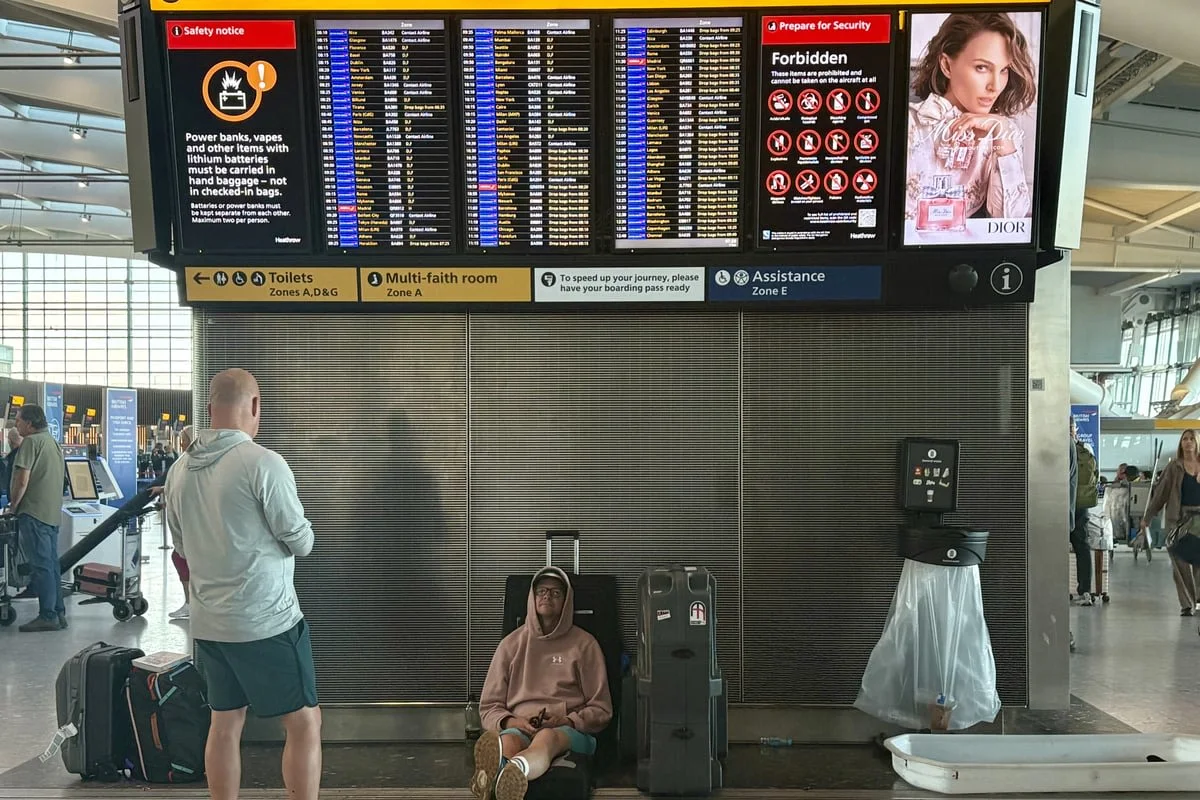
The UK Ministry of Defence denied its aircraft caused a NATS outage that led to over 2,000 flight cancellations and calls for CEO resignation.
21 Air Miami Crash: NTSB Investigates 767 Runway Overrun
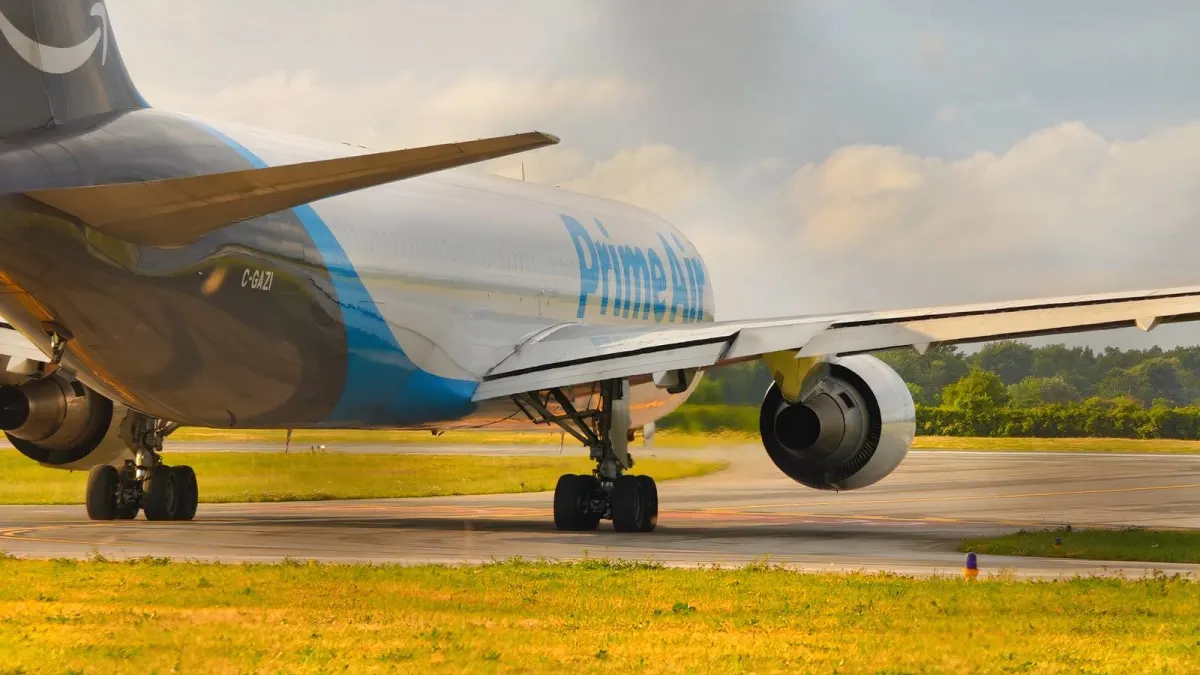
A fatal 21 Air Boeing 767 crash at Miami International Airport has triggered an NTSB investigation amid scrutiny of Amazon Air's contract oversight.

Amazon Cargo Plane Crash: 5 Remembered After MIA Excursion
Five cleaning crew members died after an Amazon-contracted Boeing 767 overran the runway at Miami International Airport at 158 knots.