Volaris Launches Nonstop Guadalajara-Raleigh-Durham Route

Aviation News Editor & Industry AnalystAviation News Editor & Industry Analyst delivering clear coverage for a worldwide audience.
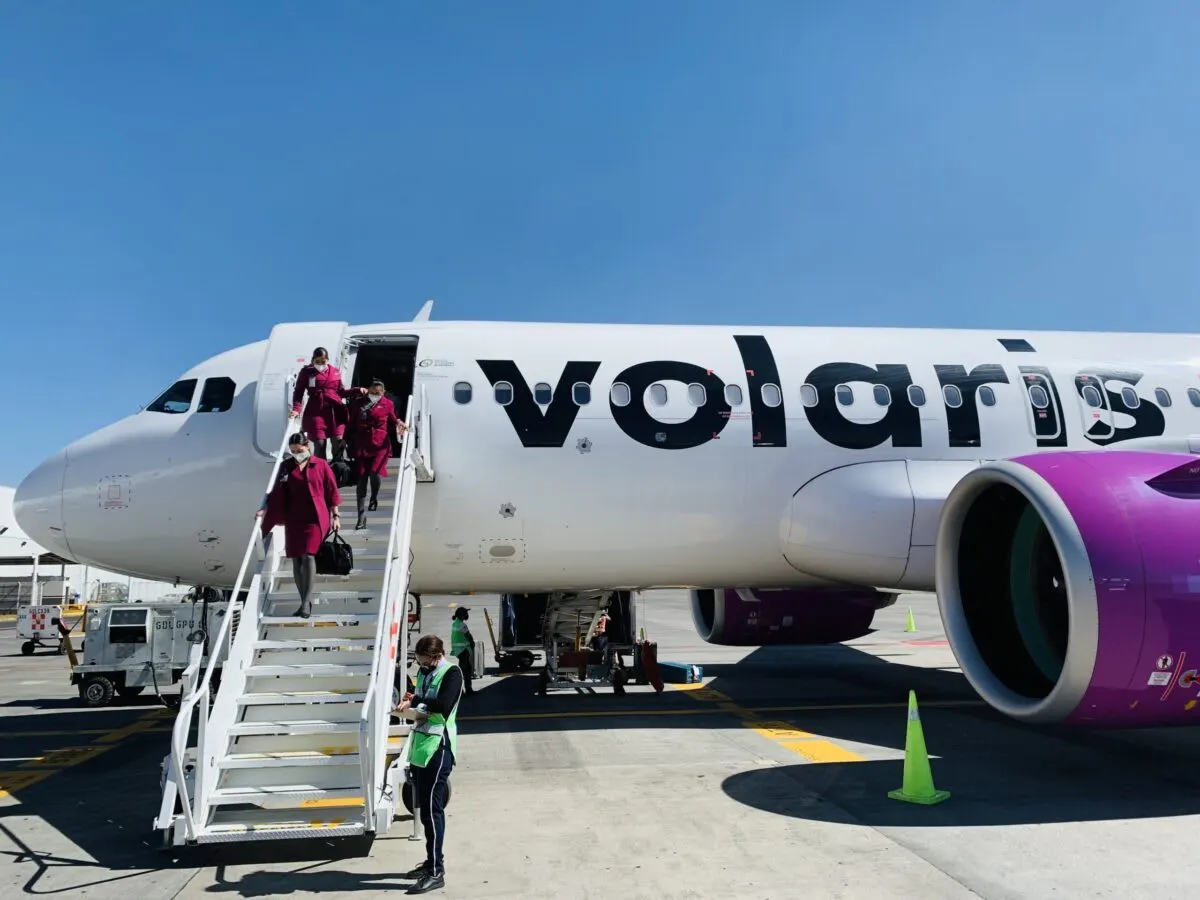
Volaris will launch three-weekly flights between Guadalajara and Raleigh-Durham on October 16, 2026, using 238-seat Airbus A321neo aircraft.
Key Takeaways
- •Volaris launches Guadalajara-Raleigh-Durham service on October 16, 2026.
- •Flights will operate three times weekly using 238-seat Airbus A321neo jets.
- •Volaris becomes the 19th airline to serve Raleigh-Durham International Airport.
- •The route is RDU's third nonstop destination in Mexico.
Volaris Expands Transborder Network to North Carolina
Mexican Ultra-Low-Cost Carrier (ULCC) Volaris is set to launch a new nonstop route connecting Guadalajara International Airport (GDL) and Raleigh-Durham International Airport (RDU). The service, which commences on October 16, 2026, marks a significant addition to the transborder aviation market. According to the official announcement from the Raleigh-Durham International Airport, the route will operate three times weekly, utilizing the 238-seat Airbus A321neo.
This expansion is part of a broader strategy by the airline to increase its footprint in secondary U.S. markets. By connecting the tech-centric Research Triangle region of North Carolina directly to Guadalajara, often referred to as the "Silicon Valley of Mexico," the airline aims to capture a mix of business, leisure, and visiting friends and relatives (VFR) traffic. This route represents the 3rd nonstop destination in Mexico for RDU, complementing existing services to Cancun and Mexico City.
Market Impact and Stakeholder Dynamics
The introduction of this service makes Volaris the 19th airline to operate out of RDU. For the Raleigh-Durham Airport Authority, the move serves to diversify its international portfolio, which now spans 15 global destinations. The operational shift is governed by the U.S.-Mexico Bilateral Air Transport Agreement, which facilitates the traffic rights necessary for such scheduled transborder services. While legacy carriers like American Airlines and Delta Air Lines have long dominated transborder connectivity via their respective hubs, the arrival of a ULCC offers a lower-cost, point-to-point alternative that bypasses traditional connection points like Dallas/Fort Worth or Atlanta.
A321neo vs. A320neo: Capacity Comparison
Volaris is deploying its high-density A321neo fleet for this route to maximize unit economics. The technical specifications for the aircraft in the Volaris configuration are compared below against the smaller A320neo variant.
| Metric | Airbus A321neo | Airbus A320neo |
|---|---|---|
| Seating Capacity | 238 seats | 186 seats |
| Fuselage Length | 44.51m | 37.57m |
| Max Range | ~4,000 nm | ~3,400 nm |
Strategic Importance of the Guadalajara Hub
The Guadalajara-Raleigh-Durham route reflects a growing industry trend where carriers utilize secondary hubs to circumvent the capacity constraints often experienced at Mexico City International Airport (MEX). Historically, Volaris established an earlier presence in North Carolina with service to Charlotte in 2018. The success of that initial entry provided a precedent for this current expansion, confirming the demand for direct links between the two regions. As Holger Blankenstein, Executive Vice President of Commercial and Operations at Volaris, noted, this launch reinforces Guadalajara’s status as a primary gateway for the airline's international operations.
What Comes Next: The October Inaugural
The inaugural flight is scheduled for October 16, 2026. Flights will operate on a Wednesday, Friday, and Sunday schedule, providing consistent frequency for travelers. Stakeholders in the Research Triangle business community are expected to benefit from the direct access to Mexico’s industrial and technology sectors. Following the launch, analysts will monitor load factors to determine if the route's performance supports further frequency increases or the addition of similar secondary-market connections in the coming fiscal year.
Why This Matters for the Transborder Market
This development signals a shift in how ULCCs approach transborder network planning, moving beyond high-volume tourist corridors to target specific economic hubs. For the aviation industry, the success of this route could validate the viability of point-to-point services between mid-sized U.S. metropolitan areas and Mexico’s interior. For travelers, the route eliminates the need for domestic layovers, significantly reducing total travel time and cost on the Guadalajara-Raleigh-Durham corridor.
Frequently Asked Questions
- What aircraft will Volaris use for the new Guadalajara to Raleigh-Durham route?
- Volaris will operate the new route using the Airbus A321neo, which is configured with 238 seats.
- How often will Volaris fly between GDL and RDU?
- The service will operate three times weekly, with flights scheduled on Wednesdays, Fridays, and Sundays.
From airline operations to fleet updates, commercial aviation news lives at omniflights.com. Discover how innovation is shaping aviation through aircraft systems, avionics, and digital tools at omniflights.com/technology.
Written by Ujjwal Sukhwani
Aviation News Editor & Industry Analyst delivering clear coverage for a worldwide audience. Covers flight operations, safety regulations, and market trends with expert analysis.
Visit ProfileYou Might Also Like
Discover more aviation news based on similar topics

Red Sea Airlines Leases Two 737 MAX 8s for 2027 Expansion
Red Sea Airlines signed a lease for two Boeing 737 MAX 8 aircraft from SMBC Aviation Capital, arriving in 2027 to support its 14-aircraft fleet goal.
Avelo CEO Warns Airfares May Rise on Jet Fuel Price Spikes
Avelo Airlines CEO Andrew Levy warns that rising fuel costs may force fare increases as global jet fuel prices reach $171.01 per barrel.

IndiGo, Air India Battle for Mumbai-Delhi Route Dominance
IndiGo and the Air India group are competing for dominance on the Mumbai-Delhi air route, which saw 13.9 percent capacity growth this September.

Delta Air Lines Trims 5 Routes, Cuts Las Vegas Capacity
Delta Air Lines will end five domestic routes from New York and Las Vegas this winter as part of a seasonal network capacity adjustment.

FLY91 Orders 40 ATR 72-600s for Regional Fleet Expansion
Indian startup FLY91 has placed a firm order for 40 ATR 72-600 aircraft, valued at $1 billion, to scale its regional fleet to 60 planes by 2032.

SWISS Takes Delivery of Third Airbus A350-900 Named 'Zug'
Swiss International Air Lines has welcomed its third Airbus A350-900, which will feature the new 'SWISS Senses' cabin on select long-haul routes.