Virgin Australia Sets 2027 Date for First Boeing 737-10

Co-Founder & CEOAviation News Editor delivering trusted coverage across the global aviation industry.
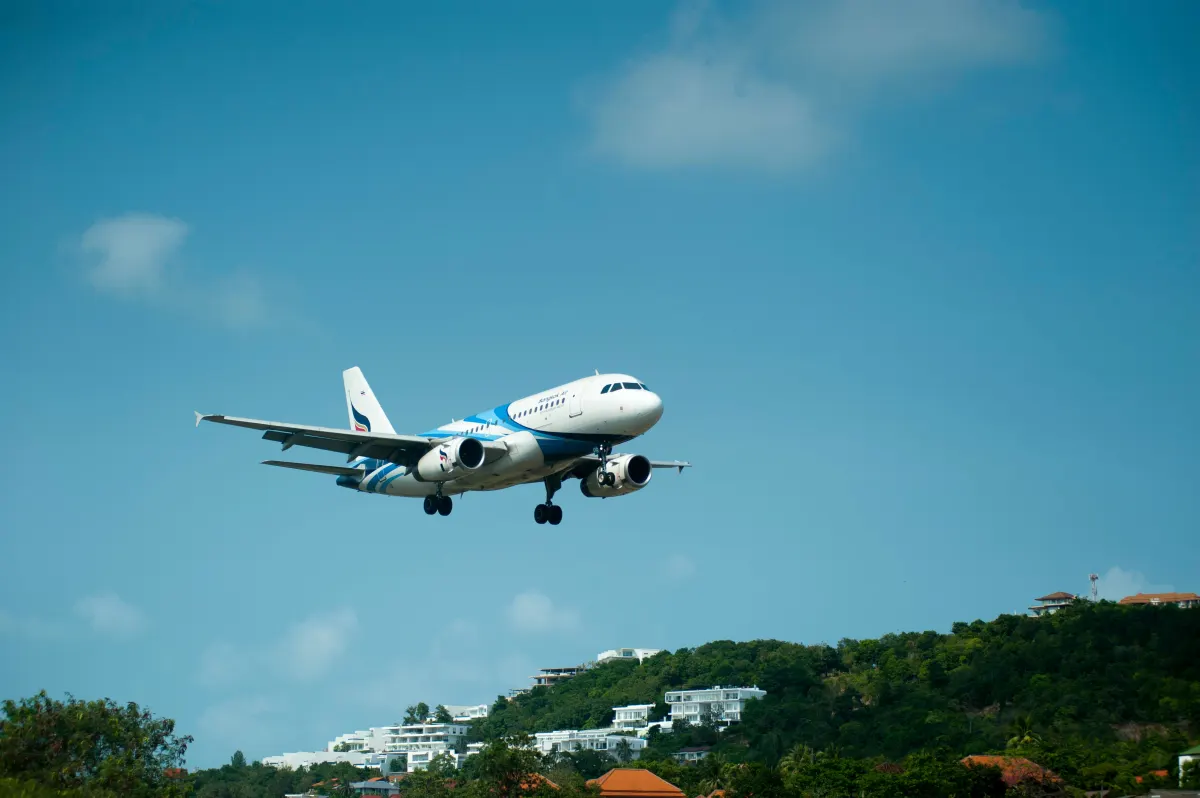
Virgin Australia expects to take delivery of its first Boeing 737-10 in late 2027, marking a key milestone in the airline's fleet renewal program.
Key Takeaways
- •Virgin Australia expects first Boeing 737-10 delivery in late 2027.
- •The 737-10 offers a 10% capacity boost over the 737-8 fleet.
- •Virgin Australia holds 10 firm orders for the 737-10 variant.
- •The aircraft delivers a 20% reduction in per-seat fuel consumption.
Virgin Australia Fleet Strategy
Virgin Australia has confirmed it expects to take delivery of its first Boeing 737-10 in late 2027, a move that serves as a cornerstone of the airline's ongoing fleet renewal program. As the largest aircraft in the carrier's fleet, the 737-10 is expected to provide significant operational flexibility and capacity on high-density domestic routes. According to Virgin Australia CEO Dave Emerson, the acquisition of these aircraft is a critical lever for reducing the airline's environmental footprint by building a younger, quieter, and more fuel-efficient fleet.
Capacity and Operational Impact
The 737 MAX 10 offers a substantial capacity boost for the airline. With a typical two-class layout, the aircraft will seat approximately 200 passengers, representing a 10% increase over the 182-seat capacity of the airline’s current 737-8 fleet. This up-gauging allows the airline to maximize passenger throughput on slot-constrained domestic trunk routes without the need to add additional frequencies. Furthermore, the aircraft provides a 20% reduction in fuel consumption and CO2 emissions per seat compared to previous-generation 737-800s, according to Boeing Commercial Airplanes specifications.
Regulatory Context and Certification
The path to delivery for the 737-10 has been shaped by rigorous regulatory oversight. The Federal Aviation Administration (FAA) has mandated that the manufacturer complete extensive System Safety Assessments (SSA) to document all potential failure scenarios. This requirement follows Section 501 of the Consolidated Appropriations Act of 2023, which prohibits the FAA from issuing new airworthiness certificates for transport aircraft unless specific safety enhancements, including an updated flight crew alerting system, are incorporated. While Boeing has accumulated over 1,400 orders for the 737 MAX 10 variant globally, the prolonged certification timeline has forced airlines to adjust their mid-term capacity growth plans.
Technical Comparison: 737 MAX 10 vs 737 MAX 8
| Metric | Boeing 737 MAX 10 | Boeing 737 MAX 8 |
|---|---|---|
| Maximum Seating | 230 seats | 210 seats |
| Length | 43.8 m | 39.52 m |
| Range | 3,100 nmi | 3,500 nmi |
Industry Trends and Competitive Dynamics
This delivery schedule follows a pattern of fleet restructuring for Virgin Australia, which previously adjusted its order book during its 2020 administration. The current strategy reflects a broader industry trend where carriers are up-gauging single-aisle fleets to handle high-density traffic. For competitors like Qantas Airways, the entry of the 737-10 into the Australian market represents a new competitive challenge, as Virgin Australia will be able to deploy more cost-efficient aircraft against incoming A321XLR variants. While environmental advocacy groups have noted that absolute emissions may still rise with fleet growth, the industry maintains that the 20% per-seat efficiency gain is a vital step toward sustainability.
Certification and Delivery Timeline
Following the expected FAA type certification in late 2026, Virgin Australia anticipates receiving the first of its 10 firm 737-10 orders in late 2027. The integration of these aircraft will be overseen by the Civil Aviation Safety Authority (CASA) to ensure local operational compliance. The successful delivery remains a high-priority milestone for Boeing Commercial Airplanes, as the manufacturer works to clear its massive backlog and restore cash flow stability.
Why This Matters for Domestic Operations
For the Australian domestic market, the arrival of the 737-10 signals a shift toward higher-capacity, lower-cost-per-seat operations on the Sydney-Melbourne-Brisbane triangle. This development positions Virgin Australia to compete more effectively against legacy carriers by optimizing unit costs while simultaneously meeting corporate sustainability targets. For passengers, the transition to the 737-10 represents the next generation of domestic travel, balancing the need for increased seat capacity with modern cabin standards.
Frequently Asked Questions
- When will Virgin Australia receive its first Boeing 737-10?
- Virgin Australia expects to take delivery of its first Boeing 737-10 in late 2027, following the anticipated FAA type certification in late 2026.
- How does the 737-10 improve capacity for Virgin Australia?
- The 737-10 provides an approximate 10% capacity boost over the airline's current 737-8 fleet, seating roughly 200 passengers in a typical two-class configuration.
From airline operations to fleet updates, commercial aviation news lives at omniflights.com. Discover how innovation is shaping aviation through aircraft systems, avionics, and digital tools at omniflights.com/technology.
Written by Hardik Vishwakarma
Co-Founder & Aviation News Editor leading initiatives that improve trust and visibility across the global aviation industry. Covers airlines, airports, safety, and emerging technology.
Visit ProfileYou Might Also Like
Discover more aviation news based on similar topics
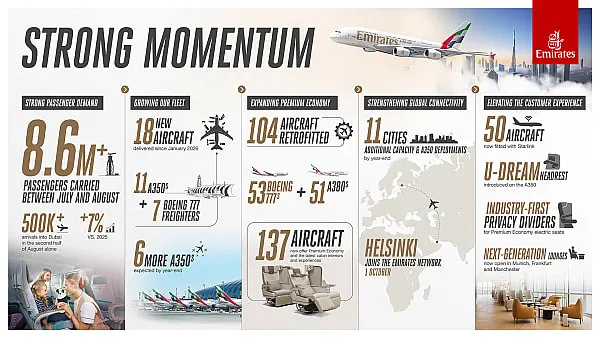
Emirates Winter Booking Momentum Grows Amid Fleet Expansion
Emirates carried 8.6 million passengers this summer and enters winter with strong demand as it accelerates fleet retrofits and network growth.
Air Arabia Consortium Gains AOC for New Dammam Budget Airline
A Saudi GACA-led consortium including Air Arabia has secured an AOC to launch a new budget airline based at Dammam's King Fahd International Airport.
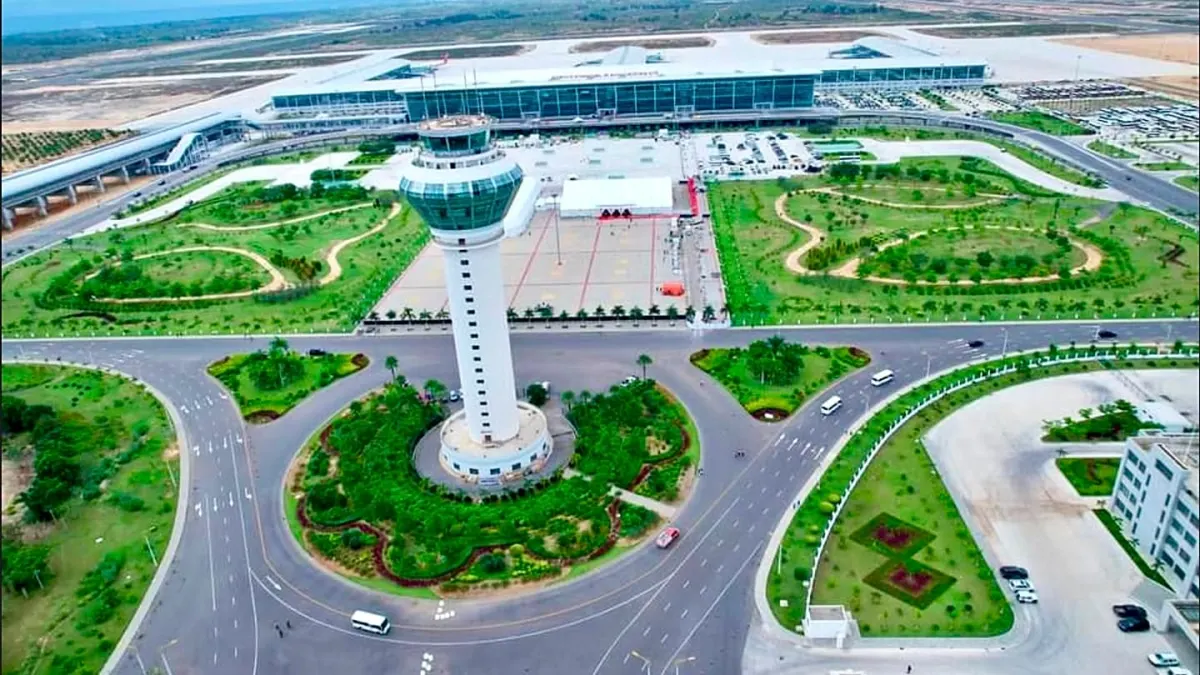
Turkish Airlines Exits Luanda as Angola Hub Struggles
Turkish Airlines dropped its Luanda route as Angola's new airport struggles to attract traffic, handling only 756,028 passengers in 2025.
Red Sea Airlines Leases Two 737 MAX 8s for 2027 Expansion
Red Sea Airlines signed a lease for two Boeing 737 MAX 8 aircraft from SMBC Aviation Capital, arriving in 2027 to support its 14-aircraft fleet goal.
Avelo CEO Warns Airfares May Rise on Jet Fuel Price Spikes
Avelo Airlines CEO Andrew Levy warns that rising fuel costs may force fare increases as global jet fuel prices reach $171.01 per barrel.
IndiGo, Air India Battle for Mumbai-Delhi Route Dominance
IndiGo and the Air India group are competing for dominance on the Mumbai-Delhi air route, which saw 13.9 percent capacity growth this September.