US Positions to Dominate €21.5B Sustainable Aviation Fuel Market

Co-Founder & CEOAviation News Editor delivering trusted coverage across the global aviation industry.

The U.S. is leveraging Inflation Reduction Act subsidies to dominate the projected €21.5B sustainable aviation fuel market, targeting 3B gallons by 2030.
Key Takeaways
- •Targets 3 billion gallons of domestic SAF production annually by 2030 under the SAF Grand Challenge.
- •Provides $1.25 to $1.75 per gallon in tax credits for producers via the Inflation Reduction Act.
- •Aims to capture a dominant share of a global SAF market projected to reach €21.5 billion by 2030.
- •Utilizes the GREET model to determine lifecycle emissions and tax credit eligibility for various feedstocks.
The United States is implementing a comprehensive industrial strategy to secure a dominant position in the global Sustainable Aviation Fuel (SAF) market, a sector projected by MarketsandMarkets to reach €21.5 billion by 2030. Through a combination of substantial tax credits and ambitious production targets, the U.S. government is creating a powerful incentive structure designed to rapidly scale domestic SAF manufacturing and address the aviation industry's decarbonization goals.
The core of this strategy lies in two key initiatives: the Inflation Reduction Act (IRA) and the SAF Grand Challenge. The IRA provides direct financial support to producers, while the Grand Challenge sets a clear roadmap for replacing conventional jet fuel. This dual approach aims to de-risk private investment, stimulate innovation in feedstock and production technologies, and establish the U.S. as a primary supplier in a market currently constrained by high costs and limited supply. Currently, SAF accounts for less than 1% of the approximately 21.5 billion gallons of jet fuel consumed annually in the U.S., according to the Environmental Protection Agency (EPA), highlighting the scale of the transition.
Regulatory and Financial Framework
The primary mechanism driving SAF investment is the IRA's Section 40B and 45Z tax credits. According to the U.S. Department of the Treasury, these provisions offer a base credit of $1.25 per gallon for SAF that demonstrates a 50% reduction in lifecycle greenhouse gas emissions compared to conventional jet fuel. The credit can increase up to $1.75 per gallon for fuels that achieve greater emissions reductions. Eligibility is determined using the Department of Energy's Greenhouse gases, Regulated Emissions, and Energy use in Technologies (GREET) model, which analyzes the full carbon footprint of a fuel from feedstock cultivation to combustion.
This robust subsidy program is complemented by the Sustainable Aviation Fuel Grand Challenge, a government-wide effort by the Departments of Energy, Transportation, and Agriculture. The challenge sets a near-term production goal of 3 billion gallons of domestic SAF per year by 2030 and a long-term target of 35 billion gallons by 2050, which would be sufficient to meet 100% of projected U.S. aviation fuel demand. U.S. Secretary of the Treasury Janet Yellen stated that IRA incentives are "helping to scale production of low-carbon fuels and cut emissions from the aviation sector, one of the most difficult-to-transition sectors of our economy."
This incentive-based approach contrasts with the regulatory mandate model being pursued by the European Union. The EU's ReFuelEU Aviation regulation requires fuel suppliers to blend increasing shares of SAF into the fuel available at EU airports, starting at 2% in 2025 and rising to 70% by 2050.
Stakeholder and Industry Impact
The U.S. strategy has significant implications for multiple stakeholder groups. SAF producers like Neste, LanzaJet, and World Energy are direct beneficiaries of the tax credits, which improve project economics and help secure the multi-billion dollar offtake agreements necessary for financing new production facilities. Announced domestic projects already represent over 3 billion gallons of annual capacity by 2030.
For the U.S. agricultural sector, the growth of SAF presents a major new market, particularly for corn and soy farmers. U.S. Secretary of Agriculture Tom Vilsack highlighted SAF as a "stepping stone" that rewards farmers for lowering emissions. However, this has ignited a debate over feedstock eligibility. Agricultural groups are lobbying for the inclusion of crop-based biofuels in the GREET model, while some environmental organizations, such as the World Resources Institute, argue that this could lead to negative consequences like deforestation and indirect land-use change emissions that negate the climate benefits.
Major U.S. airlines gain access to a more affordable supply of SAF to meet their net-zero pledges, which are also driven by global schemes like the Carbon Offsetting and Reduction Scheme for International Aviation (CORSIA). Despite subsidies, SAF remains 2 to 5 times more expensive than conventional jet fuel, posing an ongoing financial challenge.
Historical Context and Technical Comparison
The current government-led effort to create a market for SAF is analogous to the establishment of the Renewable Fuel Standard (RFS) in 2005. That legislation mandated the blending of renewable fuels like ethanol into gasoline, effectively creating a massive new market for U.S. corn producers. The RFS demonstrated that federal mandates and subsidies could successfully accelerate the transition to alternative fuels, a pattern the SAF Grand Challenge aims to replicate for the aviation sector.
Technically, SAF is designed as a "drop-in" fuel, compatible with existing aircraft and infrastructure, which is critical for its adoption.
Sustainable Aviation Fuel (SAF) vs. Conventional Jet Fuel (Jet A-1)
| Metric | Sustainable Aviation Fuel (SAF) | Conventional Jet Fuel (Jet A-1) |
|---|---|---|
| Lifecycle GHG Emissions Reduction | 50% to 80% reduction | Baseline standard |
| Energy Density | Nearly identical | Nearly identical |
| Engine Compatibility | Blended up to 50% in existing engines | Baseline standard |
What Comes Next
The aviation industry is watching several key dates that will shape the trajectory of SAF adoption in the U.S. The Section 45Z Clean Fuel Production Credit, a cornerstone of the IRA's support, is currently set to expire on December 31, 2027, creating a critical window for producers to bring projects online and for policymakers to consider extensions.
The first major production milestone is the SAF Grand Challenge's near-term target of 3 billion gallons annually, which government agencies have confirmed is for 2030. The long-term goal of replacing 100% of U.S. jet fuel demand remains targeted for 2050.
Why This Matters
The U.S. government's aggressive push into Sustainable Aviation Fuel represents a significant strategic move in the global energy transition. By combining substantial subsidies with clear production targets, the U.S. aims to not only decarbonize a hard-to-abate sector but also build a durable competitive advantage in a multi-billion dollar future market. This policy framework is set to accelerate investment and innovation, directly impacting airlines, fuel producers, and the agricultural sector for decades to come.
Visit omniflights.com for the latest commercial aviation news and airline industry updates. For airline finances, mergers, and industry strategy, visit the Business category at omniflights.com/business.
Written by Hardik Vishwakarma
Co-Founder & Aviation News Editor leading initiatives that improve trust and visibility across the global aviation industry. Covers airlines, airports, safety, and emerging technology.
Visit ProfileYou Might Also Like
Discover more aviation news based on similar topics

American Airlines Flies First U.S. eSAF Passenger Flight
American Airlines completed the first U.S. commercial flight using Infinium eSAF, a synthetic fuel that reduces lifecycle emissions by over 90%.
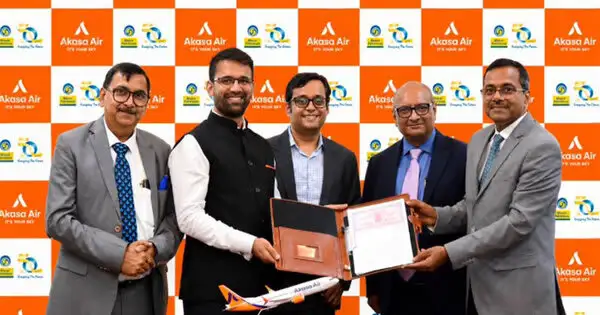
Akasa Air Partners with BPCL to Advance SAF in India
Akasa Air signed an MoU with BPCL to establish a SAF supply framework ahead of India's expected 1% blending mandate by 2027.

Delta, Shell Aviation Ink 5-Year SAF Supply Agreement
Delta Air Lines and Shell Aviation have signed a five-year agreement to supply Sustainable Aviation Fuel across five major U.S. hubs through 2030.
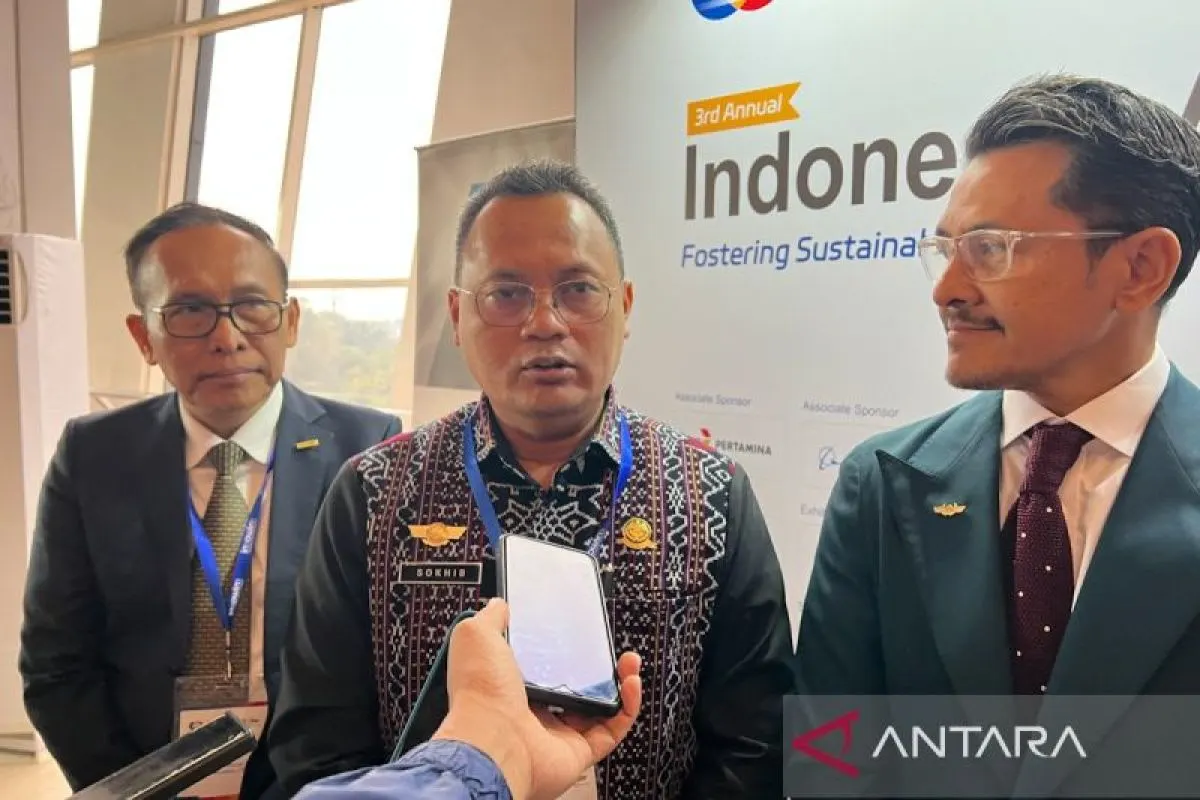
Indonesia to Mandate 1% SAF Blend for Flights by 2027
Indonesia will require a 1% Sustainable Aviation Fuel blend on international flights departing from Jakarta and Bali starting in 2027.
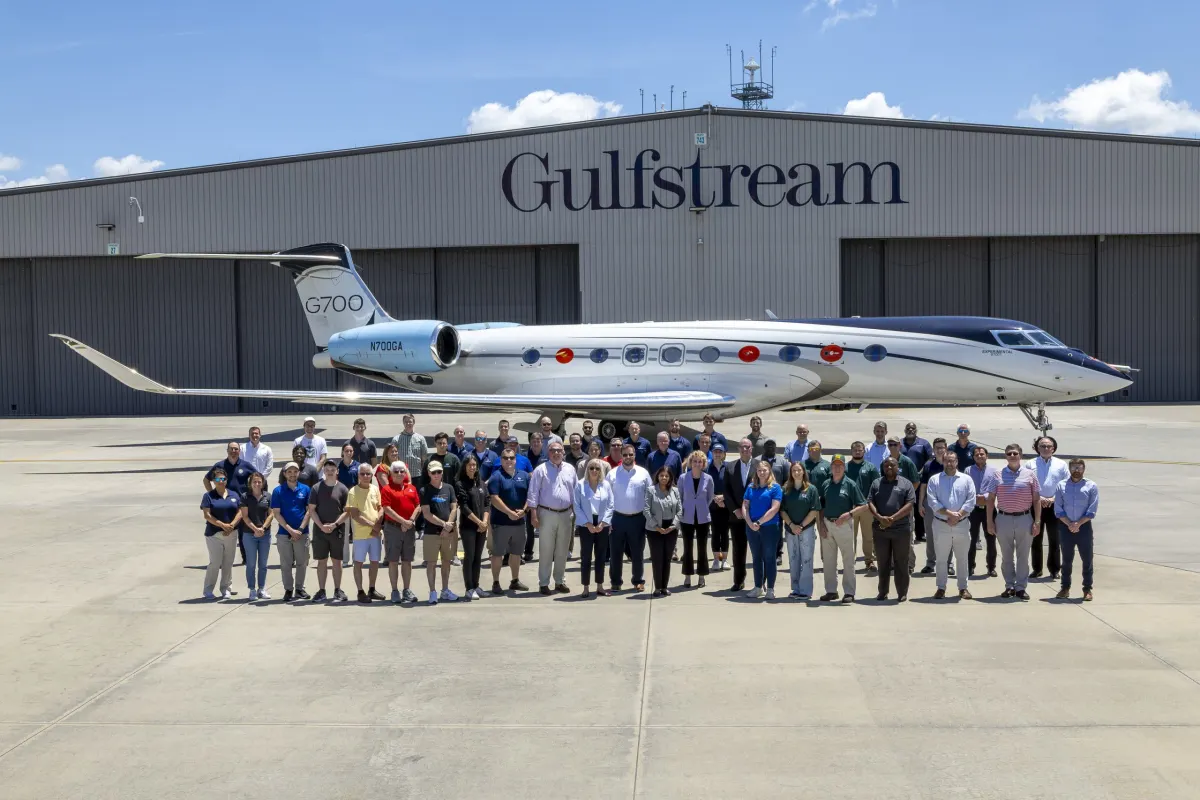
Gulfstream G800 Completes 100% SAF High-Altitude Emissions Test
Gulfstream tested 100% SAF on a G800 at 50,000 feet to measure emissions, marking a key step toward certifying unblended synthetic fuels.
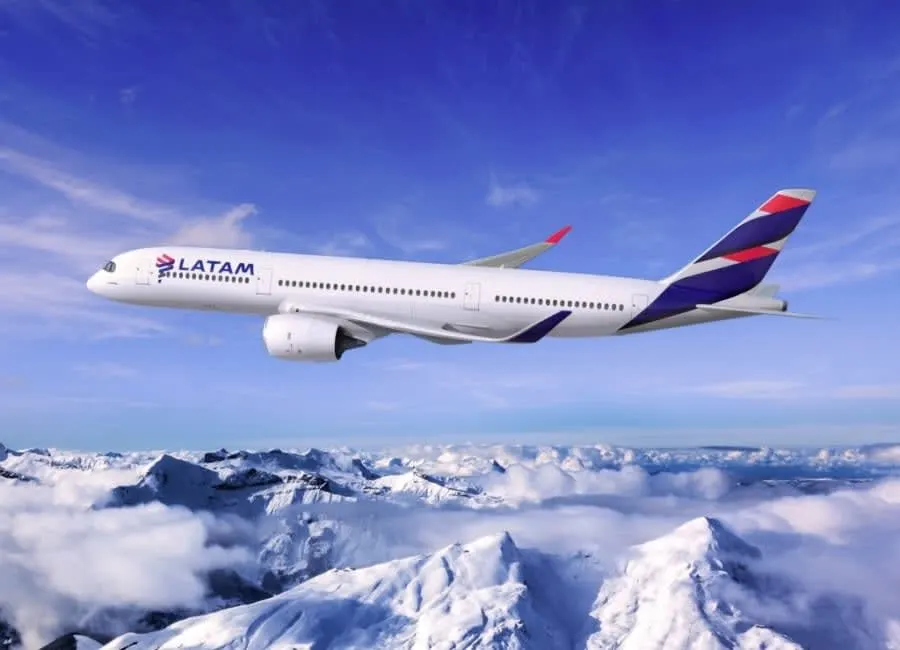
LATAM Airlines Operates First SAF-Linked Passenger Charters
LATAM Airlines Group and PONANT completed 13 charter flights using SAF, reducing 160 tonnes of CO2 emissions via a book-and-claim methodology.