US Airline Airfares Unlikely to Drop Despite Oil Price Dip

Co-Founder & CEOAviation News Editor delivering trusted coverage across the global aviation industry.
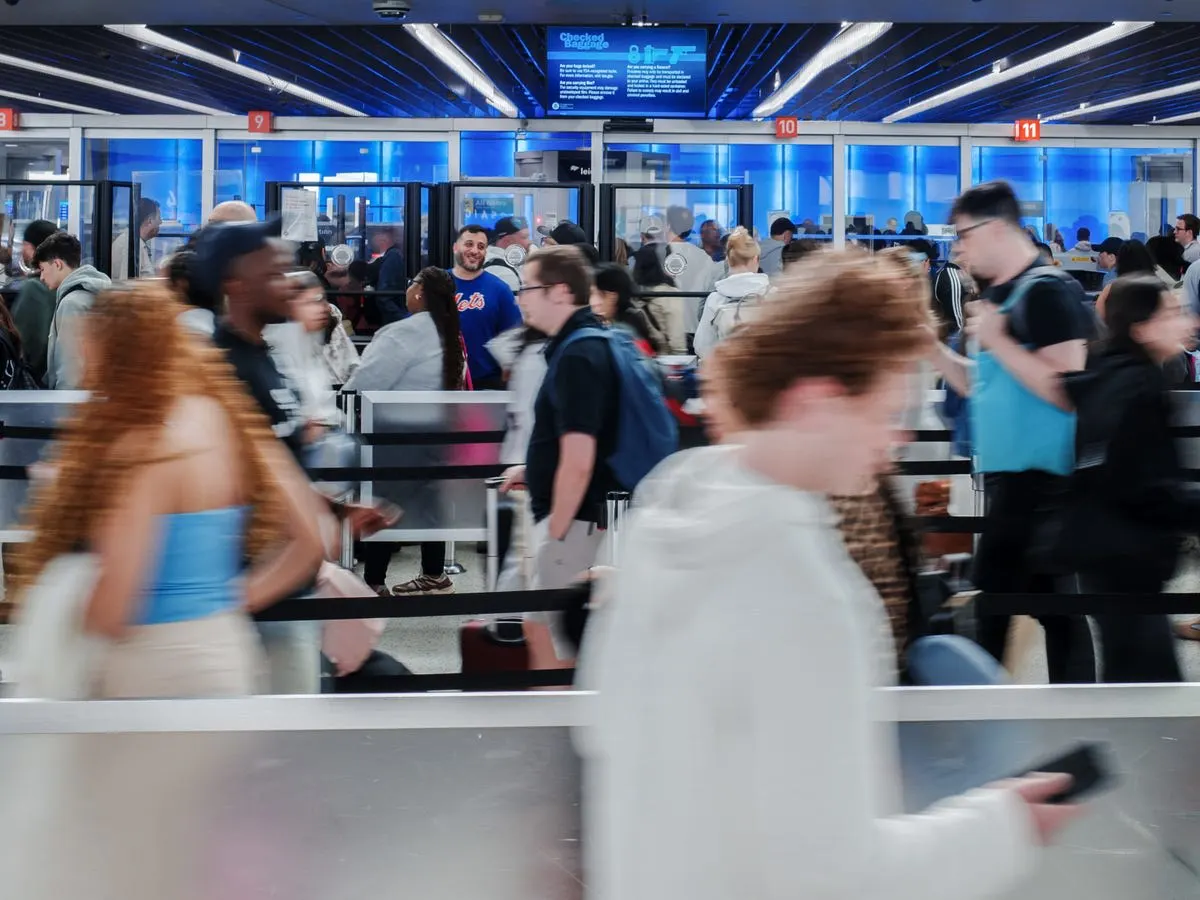
Analysts warn that US airline airfares and checked bag fees will remain elevated despite lower oil prices due to tight capacity and strong demand.
Key Takeaways
- •US airline airfares remain elevated despite recent drops in global oil prices.
- •Tight capacity and strong demand support sustained pricing power for legacy carriers.
- •Checked bag fees remain sticky at $40 to $50 following record 2025 revenues.
- •Spirit Airlines' collapse in May 2026 reduced downward pressure on ticket prices.
Flyers hoping for immediate relief in US airline airfares may be disappointed as the industry signals that recent pricing trends are here to stay. While oil prices have reportedly retreated following a preliminary agreement between the US and Iran, aviation analysts and executives indicate that the current pricing environment is driven by structural factors rather than temporary fuel costs. Tight airline capacity constraints and resilient consumer demand continue to give carriers significant pricing power, leaving little incentive to reverse recent fare hikes or ancillary fee increases.
The Persistence of Elevated Pricing
According to aviation analyst Richard Aboulafia, managing director of AeroDynamic Advisory, the industry is currently benefiting from a combination of strong demand and limited supply. "Things are pretty good, maybe traffic is down a little, but profits aren't," Aboulafia noted. Data from the Bureau of Transportation Statistics (BTS) underscores the financial reliance of carriers on unbundled revenue, with US airlines generating approximately $5.5 billion in revenue from checked bag fees in 2025. These fees, which now range between $40 and $50 per bag on most major carriers, have become a permanent fixture of airline balance sheets.
Structural Shifts and ULCC Attrition
Beyond fuel prices, the competitive landscape has shifted significantly. The collapse of Spirit Airlines in May 2026 removed a major ultra-low-cost carrier from the market, reducing the downward pressure on fares that budget-conscious travelers previously enjoyed. Travel analyst Sally French observed that with fewer seats and the loss of a major budget competitor, the market lacks the traditional catalysts for fare reductions. This consolidation, combined with a history of operational shocks, has led carriers to prioritize sustainable margins over aggressive capacity expansion.
Executive Perspective on Capacity Discipline
Airline leadership remains focused on maintaining current yields. During the May 2026 Southwest Airlines investor appearance at the Bernstein Strategic Decisions Conference, CEO Bob Jordan emphasized a commitment to "ratable production of results" and "sustainable margins." This sentiment is echoed across the industry, with executives wary of the durability of geopolitical stability. United Airlines CEO Scott Kirby has expressed skepticism regarding the long-term impact of any deal to reopen the Strait of Hormuz, suggesting that airlines are hedging against the risk of renewed aviation fuel prices volatility.
Historical Precedents and Future Outlook
This behavior mirrors the industry response to the 2022 Russian invasion of Ukraine, where fuel spikes led to fare increases that remained in place long after capacity was adjusted. Savanthi Syth, an analyst at Raymond James, suggests that any meaningful change in capacity or pricing would likely not materialize until the fourth quarter of 2026 at the earliest. For travelers, this means that while the geopolitical backdrop may be shifting, the economic realities of a consolidated, capacity-disciplined airline industry will likely keep costs high through the remainder of the year.
Frequently Asked Questions
- Why are US airline airfares staying high despite lower oil prices?
- Airlines are maintaining high fares due to tight capacity constraints, strong consumer demand, and the loss of competition following the collapse of Spirit Airlines. Executives are prioritizing sustainable margins and remain skeptical about the long-term durability of current geopolitical stability.
- Will checked bag fees decrease if fuel costs drop?
- Analysts suggest that checked bag fees are unlikely to drop. These ancillary revenues have become a sticky and essential part of airline business models, with US carriers generating approximately $5.5 billion from these fees in 2025.
Get breaking commercial aviation news and expert airline analysis at omniflights.com. From aircraft production to supply chains, commercial aviation manufacturing news is covered at omniflights.com/manufacturing.
Written by Hardik Vishwakarma
Co-Founder & Aviation News Editor leading initiatives that improve trust and visibility across the global aviation industry. Covers airlines, airports, safety, and emerging technology.
Visit ProfileYou Might Also Like
Discover more aviation news based on similar topics
IATA Pushes for Open Used Serviceable Material Market
IATA is urging engine OEMs to expand the Used Serviceable Material market following a landmark EU antitrust settlement with Pratt & Whitney Canada.

Virgin Atlantic A330 Retirement Boosts SAS Fleet Capacity
Virgin Atlantic is retiring its aging A330-300 fleet, with five airframes acquired by SAS to bridge near-term intercontinental capacity gaps.
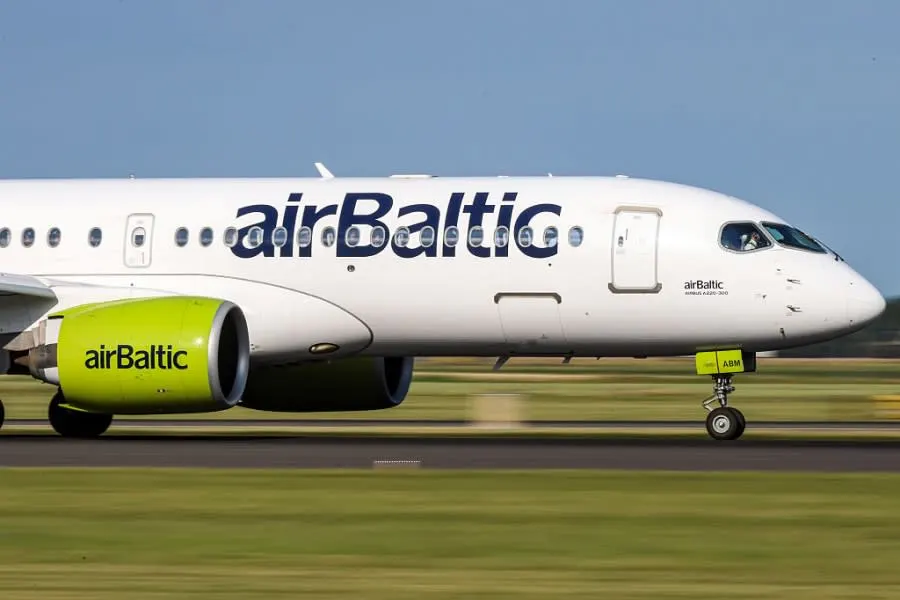
AirBaltic Files for Chapter 11 to Restructure Debt
AirBaltic has filed for Chapter 11 bankruptcy protection to restructure its finances while maintaining normal flight operations for passengers.
Boeing Wins $241M Navy Contract for F/A-18 Surface Repairs
Boeing secured a $241.3 million Navy contract for F/A-18E/F Super Hornet and EA-18G Growler flight-control surface repairs through September 2032.
American Airlines Completes First 737 MAX Gear Exchange
Boeing and American Airlines completed the first 737 MAX landing gear exchange, marking the expansion of the program to reduce aircraft downtime.

Iberia Gains Unrestricted A350 Heavy Maintenance Approval
The Spanish aviation regulator AESA has granted Iberia Maintenance unrestricted authorization to perform heavy maintenance on the Airbus A350 fleet.