United CEO Calls Engine Shortages Biggest Industry Constraint

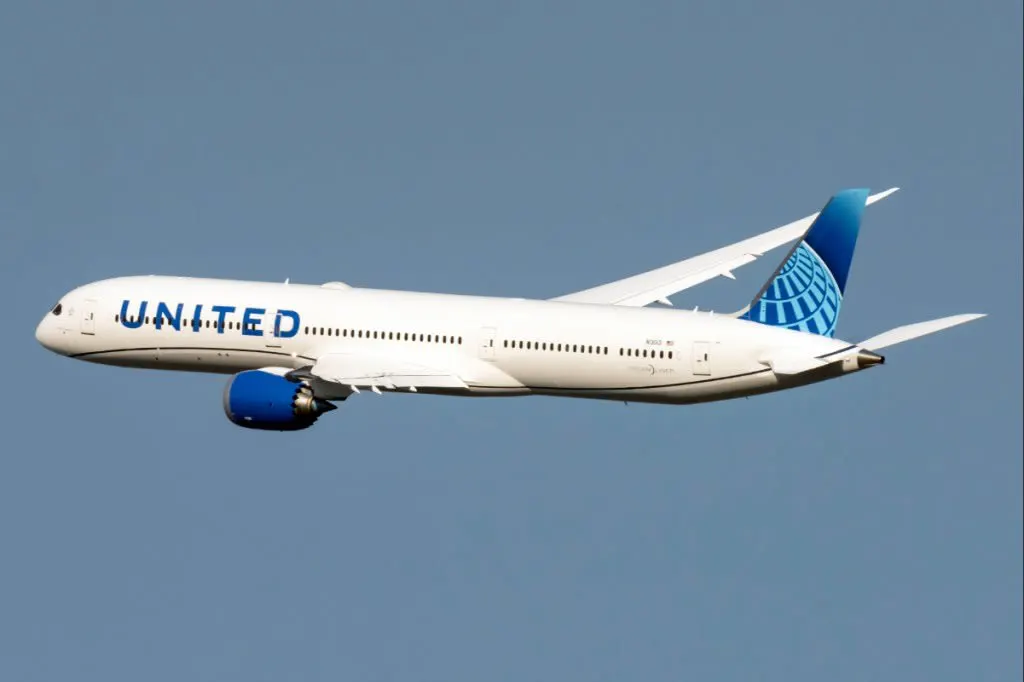
United CEO Scott Kirby cites engine shortages as a major industry constraint, following the cancellation of 45 A350s amid a Rolls-Royce dispute.
Key Takeaways
- •United CEO cites engine shortages as the industry's biggest near-term constraint.
- •800-900 commercial aircraft are currently grounded globally due to engine issues.
- •United cancelled 45 A350s following a $175M dispute with Rolls-Royce.
- •Kirby warns against single-engine dependency in future aircraft procurement.
The Capacity Crisis and Engine Exclusivity
United Airlines CEO Scott Kirby has identified the global commercial aircraft engine shortage as the most significant hurdle facing the aviation sector for the next five years. Speaking at the International Air Transport Association (IATA) Annual General Meeting in Rio de Janeiro, Kirby highlighted that between 800 and 900 commercial aircraft are currently grounded worldwide due to persistent engine and component supply chain bottlenecks. This systemic issue has forced airlines to cannibalize parts from younger, grounded airframes to maintain operational fleets, a trend that Kirby argues is exacerbated by the industry's reliance on single-engine aircraft platforms.
The A350 Cancellation and Rolls-Royce Dispute
United Airlines has officially removed 45 Airbus A350-900 aircraft from its future delivery schedule. According to United Airlines SEC filings accessed via the SEC EDGAR database, this decision stems from a Rolls-Royce contract dispute. The carrier is currently seeking the return of a $175 million advance payment made to the engine manufacturer in 2017. The conflict underscores the risks of single engine type dependency, as the Airbus A350 is powered exclusively by the Rolls-Royce Trent XWB engine. Kirby stated, "Don't ever, ever, ever, ever again build an airplane with only one engine option, you have to have competition in engines."
Historical Context and Market Risks
The current supply chain crisis mirrors past industry challenges where lack of engine diversity left operators vulnerable. In the case of the Boeing 787, airlines that selected the GE GEnx-1B engine avoided the widespread groundings that affected operators of the Rolls-Royce Trent 1000 during its 2017-2019 durability issues. Similarly, the Pratt & Whitney GTF powder metal contamination in 2023-2024 grounded hundreds of A320neo family aircraft, demonstrating how manufacturing defects in a single engine type can cripple global operations. For lessors and operators, these events have shifted the perceived value of dual-engine-capable airframes.
A350 vs 787: Engine Choice Comparison
| Metric | A350 | 787 |
|---|---|---|
| Engine Choice | Rolls-Royce Trent XWB (Single) | GE GEnx-1B or Trent 1000 (Dual) |
Analyzing the Supply Chain Trajectory
This development indicates a strategic pivot away from platforms that lack propulsion redundancy. Historically, airframe manufacturers have argued that engine exclusivity allows for tighter integration, resulting in improved fuel efficiency and lower operating costs. However, the current aviation supply chain bottleneck suggests that the economic benefits of such integration are now being offset by the operational risks of supplier monopolies. The industry is likely to see a shift in procurement strategy, favoring aircraft families that support multiple engine types to mitigate the impact of future technical groundings or supplier disputes.
Future Milestones for United and Rolls-Royce
The resolution of the $175 million advance payment dispute is expected to move toward formal litigation or arbitration between 2026 and 2027. Meanwhile, industry experts anticipate that the global engine supply chain will require until 2029 or 2031 to return to historical lead times. For United, the focus remains on optimizing its existing fleet while maintaining pressure on engine OEMs to ensure greater support stability.
Why This Matters for Global Operators
For airlines, the current engine scarcity forces a reliance on older, less fuel-efficient aircraft, which pressures operating margins and complicates long-term fleet renewal plans. The situation signals a broader reckoning with the duopoly of engine manufacturers, as operators demand more resilient supply chains that can withstand localized technical issues without grounding significant portions of the global fleet.
Frequently Asked Questions
- Why did United Airlines cancel its order for 45 Airbus A350-900s?
- United cancelled the order due to a contract dispute with Rolls-Royce, the exclusive engine provider for the A350, and is seeking the return of a $175 million advance payment.
- How many aircraft are currently grounded globally due to engine shortages?
- According to United Airlines CEO Scott Kirby, between 800 and 900 commercial aircraft are currently grounded worldwide as a result of engine and component supply chain issues.
Stay ahead of the airline industry with commercial aviation news from omniflights.com. Track policy changes, airspace rules, and global aviation governance in the Regulatory category at omniflights.com/regulatory.

Written by Hardik Vishwakarma
Co-Founder & Aviation News Editor leading initiatives that improve trust and visibility across the global aviation industry. Covers airlines, airports, safety, and emerging technology.
Visit ProfileYou Might Also Like

Dubai Aerospace Enterprise Completes United Airlines Lease
RTX Reports Record $340B Backlog and Strong Q3 2026 Growth
Boeing 737 MAX Litigation Nears Resolution in Chicago
Qatar Airways Enters Japanese JOLCO Financing Market
United Nigeria Airlines Plans N20bn Commercial Paper Debt