United Boeing 787 Makes Emergency Landing at LAX After Engine Fire

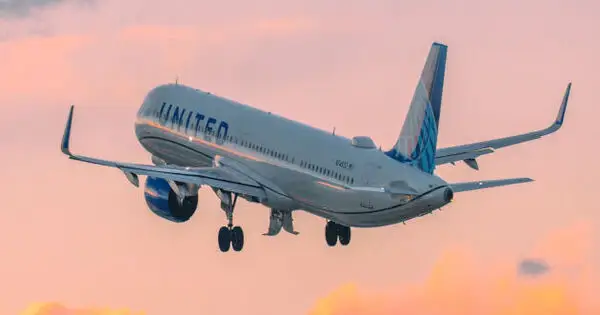
A United Airlines B787-9 returned to LAX after a left engine fire, forcing a passenger evacuation via slides and a temporary airport-wide ground stop.
Key Takeaways
- •Returned to LAX after a left engine failure shortly after takeoff for Newark.
- •Evacuated 256 passengers and 12 crew members safely using emergency slides.
- •Prompted a temporary FAA ground stop, halting flights at the airport for 30 minutes.
- •Triggered formal safety investigations by the FAA and the NTSB.
A United Airlines Boeing 787-9 experienced a significant in-flight engine issue on March 2, prompting an emergency return to Los Angeles International Airport (LAX) and a full evacuation of all passengers and crew. The incident involved United flight 2127, which was en route to Newark, New Jersey. No serious injuries were reported during the event.
The flight, carrying 256 passengers and 12 crew members, was forced to turn back approximately 17 minutes after departure. The rapid response led the Federal Aviation Administration (FAA) to implement a temporary ground stop at LAX, halting airport operations for about 30 minutes to ensure the safety of the emergency landing and subsequent response on the airfield. This event has initiated formal investigations by both the FAA and the National Transportation Safety Board (NTSB).
Incident Details
According to data from FlightRadar24, United flight 2127 departed from LAX at approximately 10:43 a.m. local time. The flight crew reported an issue with the left engine shortly after takeoff. The aircraft climbed to an altitude of 18,000 feet before initiating a turn to return to the departure airport. The Boeing 787-9 landed safely back at LAX at approximately 11:19 a.m.
Emergency services, including the Los Angeles Fire Department, were on standby for the aircraft's arrival. Fire department trucks responded immediately upon landing and brought the fire under control. Following the successful landing, passengers and crew were evacuated from the aircraft using both emergency slides and airstairs as a precautionary measure. They were then transported by bus back to the terminal.
In a statement, United Airlines confirmed the safe return of the flight. "United flight 2127 safely returned to Los Angeles to address an issue with one of the engines," a spokesperson said. "Customers deplaned via slides and airstairs and were bused to the terminal. We are grateful to our pilots and flight attendants for their quick actions to keep our customers safe."
Regulatory Response and Investigation
Both the FAA, the U.S. government agency responsible for overseeing civil aviation, and the NTSB, an independent agency tasked with investigating transportation accidents, have launched investigations into the incident. This is standard procedure for events involving in-flight engine failures and emergency evacuations.
A spokesperson for the FAA confirmed that the return to LAX was due to a reported left engine issue and that the agency's investigation is active. Investigators will typically examine the affected engine, review the flight data and cockpit voice recorders, and interview the flight and cabin crew to determine the root cause of the malfunction. The findings from these investigations could potentially lead to new maintenance recommendations or Airworthiness Directives for the aircraft or engine type involved.
Aircraft and Industry Context
The aircraft involved in the incident was a Boeing 787-9 Dreamliner, a long-haul, wide-body variant of the popular 787 family. The specific aircraft was equipped with General Electric GEnx engines. While this incident is under investigation, it occurs during a period of heightened scrutiny for Boeing's manufacturing and quality control processes, although there is no immediate indication that this event is related to other recent issues.
The successful handling of the emergency underscores the effectiveness of modern crew training and established safety protocols. The ability of the flight crew to manage the engine failure, return to the airport, and oversee a safe evacuation is a critical component of aviation safety systems. The coordinated response between the airline, airport operations, and local emergency services also played a key role in the incident's outcome, which resulted in no serious injuries.
What Comes Next
The immediate focus will be on the parallel investigations conducted by the FAA and NTSB. The NTSB will lead the effort to determine the probable cause of the engine failure. This process can take several months to over a year to complete. A preliminary report is often released within a few weeks, providing initial factual findings, followed by a final, more detailed report with analysis and safety recommendations.
United Airlines will work to re-accommodate the affected passengers on other flights to their destination, Newark Liberty International Airport (EWR). The damaged aircraft will remain out of service indefinitely, pending the completion of the investigation and any necessary repairs.
Why This Matters
This incident highlights the robustness of aviation safety procedures and the importance of crew training in managing critical in-flight emergencies. For regulators and manufacturers, the event provides crucial data on the real-world performance and reliability of the Boeing 787-9 and its GEnx engine variant. The outcome of the investigation will be closely watched by the industry for any findings that could influence maintenance practices or operational standards for the global Dreamliner fleet.
For global airline trends and commercial aviation news, turn to omniflights.com. For reporting on UAP sightings, investigations, and aviation-related encounters, see the UAPs section at omniflights.com/uaps.

Written by Ujjwal Sukhwani
Aviation News Editor & Industry Analyst delivering clear coverage for a worldwide audience. Covers flight operations, safety regulations, and market trends with expert analysis.
Visit ProfileYou Might Also Like
Israel Bans United Airlines Pilot Over Pro-Iran Posts

Attack on Saudi King Fahd International Airport
LATAM Airlines A320 Engine Fire During Takeoff in Peru
Riyadh Airport Limits Traffic Following Houthi Attacks
FAA Mandates Fuel Valve Inspections for A330 and A340