United A321XLR Seats Capped at 150 to Cut Crew Costs

Co-Founder & CEOAviation News Editor delivering trusted coverage across the global aviation industry.
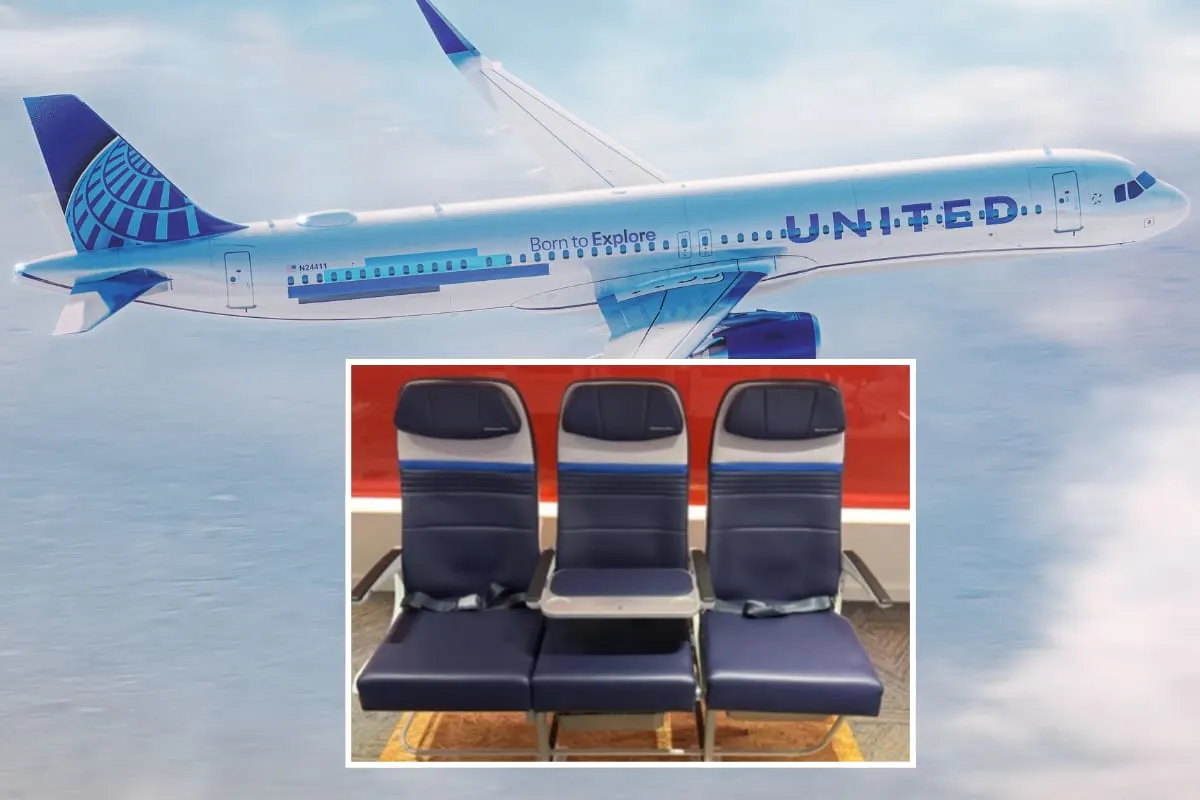
United Airlines is configuring its new Airbus A321XLR fleet with 150 seats, using a blocked middle seat to optimize crew requirements for transatlantic...
Key Takeaways
- •United Airlines limits A321XLR to 150 seats to reduce crew staffing.
- •FAA regulations require one flight attendant per 50 passenger seats.
- •New A321XLR fleet will replace aging Boeing 757-200 transatlantic aircraft.
- •Commercial service entry for the A321XLR is expected by summer 2026.
United Airlines A321XLR Strategy
United Airlines has confirmed it is developing a specialized economy product for its incoming Airbus A321 Extra Long Range (A321XLR) fleet. The design features a 'perma-tray' that locks over the middle seat, effectively turning it into a non-passenger space. This configuration is central to the airline's strategy for replacing its aging Boeing 757-200 fleet, which currently has an average age of 26 to 29 years. By implementing this design, United will cap the aircraft capacity at exactly 150 seats, a move that directly impacts operational costs on long-haul routes.
The Role of FAA Crew Requirements
Under 14 CFR § 121.391, the Federal Aviation Administration (FAA) mandates a minimum of one flight attendant for every 50 passenger seats. By limiting the A321XLR to 150 seats, United ensures that it only needs to staff three flight attendants per flight. This is a significant optimization compared to a higher-density configuration that would trigger the requirement for a fourth crew member. The use of a 'perma-tray' mimics the 'Eurobusiness' style seating long utilized by European carriers for short-haul business class, adapting a regional standard for the transatlantic narrowbody market.
A321XLR vs Boeing 757-200: Key Specifications
| Metric | Airbus A321XLR | Boeing 757-200 |
|---|---|---|
| Range | 4,700 nm | 3,900 nm |
| Fuel Efficiency | ~30% lower burn per seat | Baseline |
| Typical Capacity | 150 seats | 176 seats |
Operational Impact and Market Strategy
United has 50 Airbus A321XLR aircraft on order, according to the Airbus Orders and Deliveries Database. This transition marks a permanent shift in the airline's transatlantic network, as the carrier moves away from the middle-of-the-market segment previously dominated by the Boeing 757. While the airline may market the blocked middle seat as a premium passenger benefit, industry analysts note the primary driver is the operational loophole that allows for reduced crew staffing. For the Association of Flight Attendants-CWA, this configuration results in a lower staffing ratio on long-haul routes, which may impact total crew hours and workload distribution.
The Path to Service Entry
United Airlines expects the A321XLR to enter commercial service in the summer of 2026. The aircraft's 4,700 nautical mile range allows the airline to serve secondary European markets that were previously unviable for widebody operations. This strategy reflects a broader industry trend where carriers use extended-range single-aisle aircraft to maximize route flexibility while tightly controlling overhead costs through strategic seating caps.
Why This Matters for Transatlantic Travel
This development signals a fundamental change in how airlines approach long-haul, low-density routes. By utilizing the A321XLR to replace older, less efficient narrowbodies, United is positioning itself to maintain service to secondary cities while achieving the fuel efficiency and labor cost advantages necessary for profitability. For passengers, the trade-off is a potential reduction in overall cabin density, though the impact on total seat availability remains a point of observation as the new fleet enters service.
Frequently Asked Questions
- Why is United Airlines capping its A321XLR at 150 seats?
- United is capping the seat count at 150 to comply with FAA regulations that require one flight attendant for every 50 passengers. This configuration allows the airline to operate with three flight attendants instead of four, reducing crew costs.
- What aircraft is the A321XLR replacing in the United fleet?
- The Airbus A321XLR is intended to replace United's aging fleet of Boeing 757-200 aircraft, which currently have an average age of 26 to 29 years.
Get breaking commercial aviation news and expert airline analysis at omniflights.com. Stay informed on aviation incidents, investigations, and best practices in the Safety category at omniflights.com/safety.
Written by Hardik Vishwakarma
Co-Founder & Aviation News Editor leading initiatives that improve trust and visibility across the global aviation industry. Covers airlines, airports, safety, and emerging technology.
Visit ProfileYou Might Also Like
Discover more aviation news based on similar topics

Red Sea Airlines Leases Two 737 MAX 8s for 2027 Expansion
Red Sea Airlines signed a lease for two Boeing 737 MAX 8 aircraft from SMBC Aviation Capital, arriving in 2027 to support its 14-aircraft fleet goal.
Avelo CEO Warns Airfares May Rise on Jet Fuel Price Spikes
Avelo Airlines CEO Andrew Levy warns that rising fuel costs may force fare increases as global jet fuel prices reach $171.01 per barrel.
IndiGo, Air India Battle for Mumbai-Delhi Route Dominance
IndiGo and the Air India group are competing for dominance on the Mumbai-Delhi air route, which saw 13.9 percent capacity growth this September.

Delta Air Lines Trims 5 Routes, Cuts Las Vegas Capacity
Delta Air Lines will end five domestic routes from New York and Las Vegas this winter as part of a seasonal network capacity adjustment.

FLY91 Orders 40 ATR 72-600s for Regional Fleet Expansion
Indian startup FLY91 has placed a firm order for 40 ATR 72-600 aircraft, valued at $1 billion, to scale its regional fleet to 60 planes by 2032.

SWISS Takes Delivery of Third Airbus A350-900 Named 'Zug'
Swiss International Air Lines has welcomed its third Airbus A350-900, which will feature the new 'SWISS Senses' cabin on select long-haul routes.