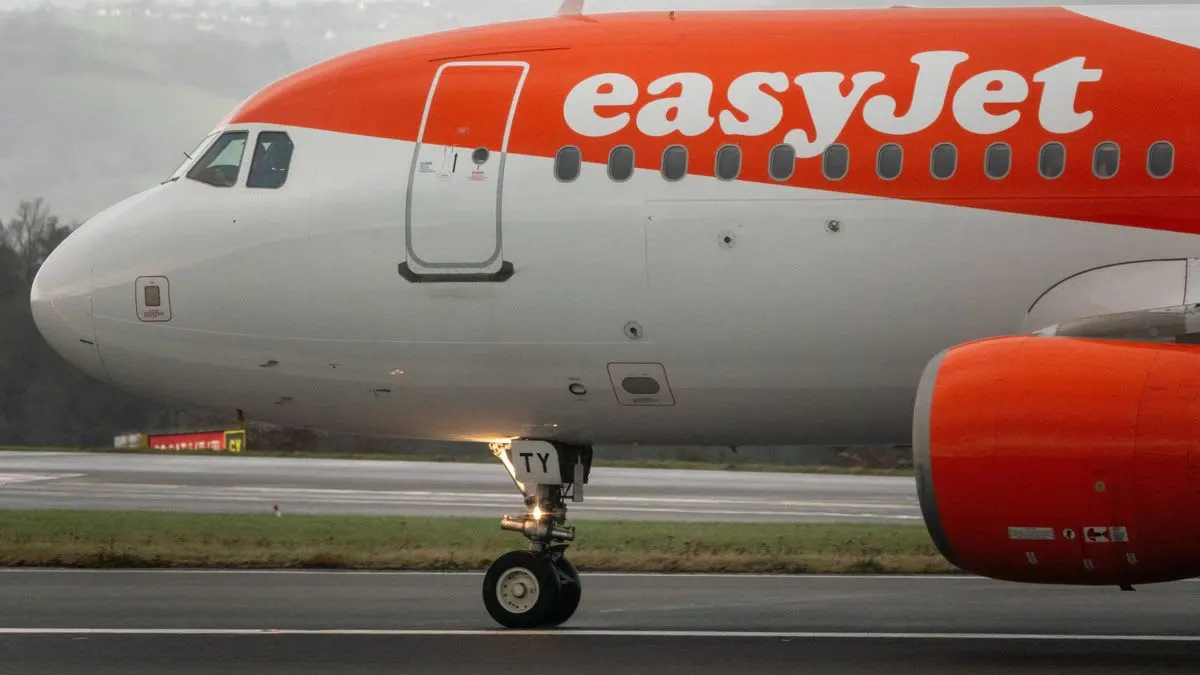
United 737 Hits De-Icing Truck at Denver International Airport


A United Airlines Boeing 737 struck a de-icing truck at Denver International Airport, injuring the driver and triggering an FAA investigation.
Key Takeaways
- •A United Airlines Boeing 737 collided with a de-icing truck at Denver International Airport.
- •Injured one ground crew member; 122 passengers and 6 crew onboard were unharmed.
- •Prompts a Federal Aviation Administration (FAA) investigation into ramp safety procedures.
- •Highlights the $10 billion annual cost of ground incidents for the global airline industry.
A United Airlines Boeing 737-800 collided with a de-icing truck at Denver International Airport (DEN) on Friday morning, resulting in an injury to the truck's driver and prompting a federal investigation. The incident involved United Flight 605, which was carrying 122 passengers and six crew members. No injuries were reported among those on board the aircraft.
The collision occurred at approximately 8:30 a.m. local time on Friday, March 6, 2026, as the aircraft was exiting a de-icing pad. In a statement, United Airlines confirmed the event: "A de-icing truck made contact with a United aircraft in Denver on Friday morning, leading to an employee of the de-icing contractor being transported to the hospital. Customers deplaned via air stairs and were bused to the terminal, and we will arrange for a different aircraft to operate their flight."
The aircraft involved was a Boeing 737-800 (B737-800), a workhorse of domestic fleets. According to April 2025 fleet data from Aviation A2Z, United Airlines operates a mainline fleet of 141 of this specific aircraft variant.
Investigation and Regulatory Context
The Federal Aviation Administration (FAA) confirmed it will lead an investigation into the collision. A spokesperson for the agency stated that Flight 605 struck the vehicle while maneuvering off the de-icing pad. These pads are typically designated as non-movement areas, where aircraft ground movements are managed by the airline or ground handling agents rather than air traffic control.
While the FAA is the primary investigator for this type of incident, the National Transportation Safety Board (NTSB), an independent agency, is responsible for determining the probable cause of major transportation accidents. The NTSB's involvement has not yet been specified.
This incident highlights the focus on ground vehicle safety outlined in FAA regulations. The agency's Advisory Circular 150/5210-20 provides detailed guidance for airport operators on developing training programs for safe ground vehicle operations, aiming to prevent such collisions between aircraft and ground support equipment (GSE).
The High Cost of Ground Incidents
Airport ramp accidents are a persistent and costly issue for the aviation industry. According to data from the Flight Safety Foundation, an estimated 27,000 ramp accidents and incidents occur globally each year. This translates to a rate of approximately one incident per 1,000 aircraft departures.
The financial impact is substantial, with the Flight Safety Foundation estimating that these accidents cost major airlines worldwide at least $10 billion annually. These costs stem from aircraft repairs, flight delays and cancellations, passenger re-accommodation, and potential litigation.
Industry analysis, also from the Flight Safety Foundation, indicates that human error is a contributing factor in the majority of these airside incidents. Factors can include inadequate training, procedural deviations, poor communication, and situational awareness lapses, particularly in congested or complex operational environments like de-icing pads during winter operations.
What Comes Next
The FAA investigation will likely scrutinize several aspects of the operation, including the procedures used by the flight crew and the de-icing contractor, the training and certification of the ground vehicle operator, and communication protocols between the aircraft and ground personnel. The investigation's findings could lead to recommendations for procedural changes at DEN or across the industry to mitigate future risks.
Passengers on Flight 605 were accommodated on a different aircraft to continue their journey. The extent of the damage to the United B737-800 and the de-icing truck was not immediately disclosed, and the aircraft will remain out of service pending a full inspection and any necessary repairs.
Why This Matters
This ground collision at a major U.S. hub underscores the inherent operational risks on the airport ramp, an area that has seen increased regulatory scrutiny. For airlines, it serves as a reminder of the significant financial and logistical consequences of ground handling incidents, which directly impact network reliability and operational costs. The event reinforces the industry-wide need for continuous improvement in ground safety protocols, training, and technology to protect both personnel and assets.
Access up-to-date commercial aviation news and airline industry developments via omniflights.com. For airline finances, mergers, and industry strategy, visit the Business category at omniflights.com/business.

Written by Ujjwal Sukhwani
Aviation News Editor & Industry Analyst delivering clear coverage for a worldwide audience. Covers flight operations, safety regulations, and market trends with expert analysis.
Visit ProfileYou Might Also Like
Israel Bans United Airlines Pilot Over Pro-Iran Posts

Attack on Saudi King Fahd International Airport
LATAM Airlines A320 Engine Fire During Takeoff in Peru
Riyadh Airport Limits Traffic Following Houthi Attacks
FAA Mandates Fuel Valve Inspections for A330 and A340