UK Air Traffic Control Failure Disrupts BA169 to Shanghai

Co-Founder & CTOCo-Founder & CTO driving the technology and data systems behind Omni Flights.
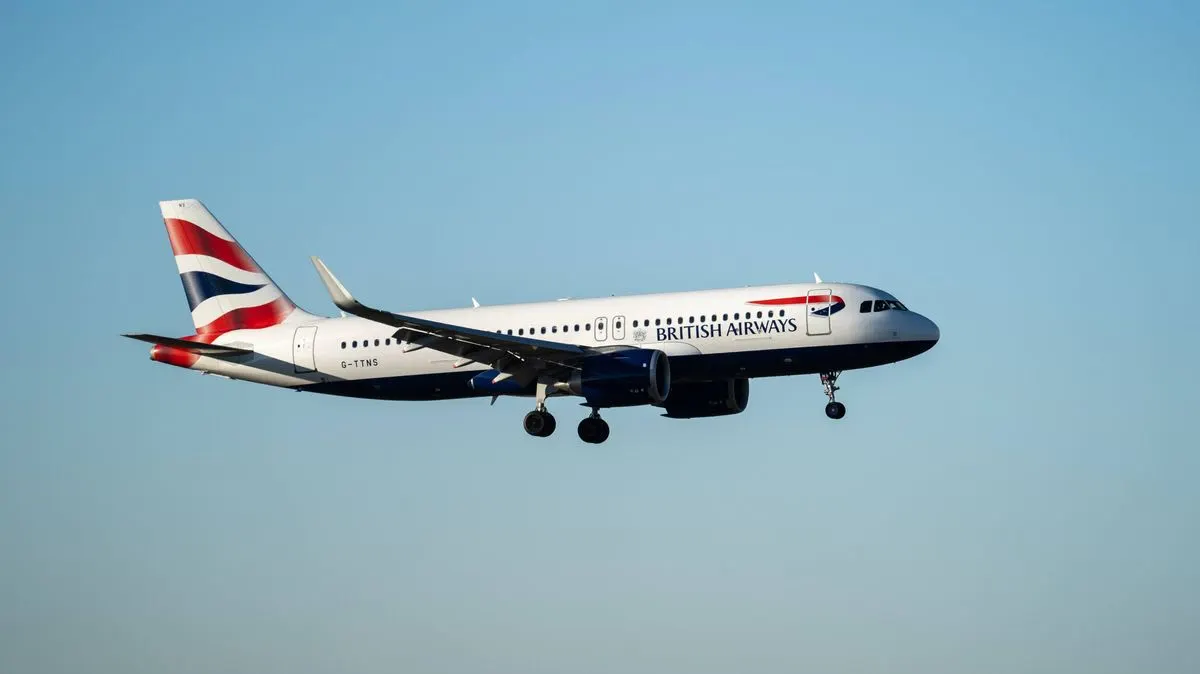
A major NATS technical failure caused 425 flight cancellations across the UK, forcing British Airways flight BA169 to divert to Cardiff.
Key Takeaways
- •NATS technical failure caused 425 flight cancellations across the UK.
- •British Airways flight BA169 diverted to Cardiff due to ATC system faults.
- •EasyJet recorded 137 cancellations, the highest among affected carriers.
- •Transport Secretary Heidi Alexander scheduled a meeting regarding the outage.
A widespread UK air traffic control failure on September 8, 2026, disrupted travel for tens of thousands of passengers, leading to the diversion of British Airways flight BA169 from London Heathrow Airport (LHR) to Cardiff Airport (CWL). The Boeing 787-9 Dreamliner was forced to turn back shortly after departure as the National Air Traffic Services (NATS) struggled to manage airspace following a critical fault in its flight processing system.
The Scope of the Disruption
According to Flightradar24, approximately 4% of all UK flights were cancelled or delayed by the end of the day. By 5pm, a total of 425 flights to and from UK airports had been cancelled. EasyJet reported the highest volume of cancellations with 137 flights, while British Airways confirmed 111 cancellations and diversions. Other carriers, including KLM, Eurowings, and Ryanair, also reported significant schedule impacts as airlines scrambled to manage their flying programs amid the sudden airspace restrictions.
NATS confirmed that it was investigating a technical issue causing disruption to flight departures, later specifying that the problem originated within its flight processing system. While the provider stated that a fix was implemented and the system began to recover, the operational ripple effects forced aircraft and crews out of position across the network.
Stakeholder Impact and Regulatory Response
Transport Secretary Heidi Alexander issued a public apology, confirming that engineers were working to resolve the fault. However, the incident has reignited tensions between airlines and the service provider. Carriers, including Ryanair and Wizz Air, have argued for urgent reform and leadership changes at NATS, asserting that the infrastructure provider repeatedly fails travelers without facing direct financial liability for the resulting operational chaos. For the thousands of passengers stranded at major hubs like Heathrow, Gatwick, Manchester, and Birmingham, the disruption resulted in missed connections and significant logistical challenges.
Historical Precedents in UK Airspace
The current failure follows a pattern of instability within the UK's aviation infrastructure. In August 2023, a major flight data processing system failure resulted in over 1,500 cancellations, affecting 700,000 passengers and triggering an independent review by the Civil Aviation Authority (CAA). Additionally, a technical glitch on July 30, 2025, caused widespread delays and diversions, suggesting that the recent event is part of a recurring series of technical vulnerabilities that have plagued the UK's air traffic management system.
Technical Analysis: Infrastructure Resilience
The recurring nature of these outages highlights the fragility of the UK's legacy flight processing systems. When these systems fail, the lack of immediate, seamless redundancy forces air traffic controllers to restrict traffic flow to maintain safety, resulting in the massive ground stops observed on Tuesday. The financial and operational burden of these events falls disproportionately on airlines, which must manage the complex task of rebooking passengers and repositioning assets without recourse for the underlying ATC failure. As the aviation network recovers, the industry is bracing for intensified regulatory scrutiny regarding the investment and maintenance standards applied to national air navigation infrastructure.
What Comes Next: Regulatory Accountability
The Department for Transport is expected to host a meeting between the NATS CEO and Transport Secretary Heidi Alexander on September 9, 2026, to discuss the root cause of the failure and potential accountability measures. This meeting will likely determine the scope of future regulatory investigations and whether the CAA will mandate further upgrades to the flight processing architecture to prevent a repeat of this week's events.
Why This Matters for Global Connectivity
The disruption of a long-haul flight like BA169 to Shanghai Pudong International Airport (PVG) underscores the global reach of localized ATC failures. When a primary hub like Heathrow is constrained, the resulting delays cascade across international networks, impacting global supply chains and passenger travel schedules. For the aviation industry, this incident signals an urgent need for enhanced infrastructure resilience to protect the reliability of the UK's position as a central node in international aviation.
Frequently Asked Questions
- What caused the flight disruptions across the UK on September 8, 2026?
- The disruptions were caused by a technical issue within the flight processing system managed by the National Air Traffic Services (NATS), which serves 15 UK airports.
- How many flights were cancelled due to the NATS technical failure?
- By 5pm on the day of the incident, a total of 425 flights to and from UK airports had been cancelled, representing approximately 4% of all UK flights.
Visit omniflights.com for the latest commercial aviation news and airline industry updates. Get the latest updates on major hubs, regional terminals, and airport operations via the Airports section at omniflights.com/airports.
Written by Shashank Shukla
Co-Founder & CTO leading the engineering and AI systems behind Omni Flights. Covers aviation technology, flight safety, aircraft manufacturing, and emerging aerospace developments.
Visit ProfileYou Might Also Like
Discover more aviation news based on similar topics
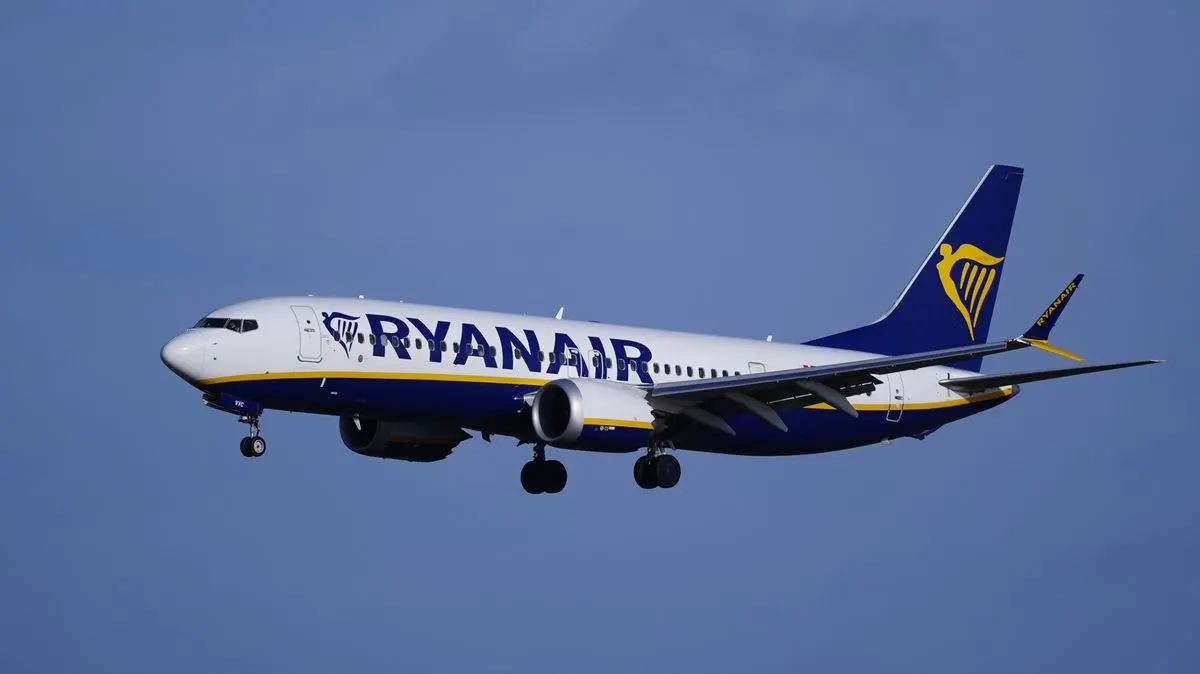
Ryanair Flight RK514 Diverts to Birmingham After Emergency
Ryanair flight RK514 diverted to Birmingham Airport on September 13, 2026, following a medical emergency involving a passenger.

Amazon Suspends 21 Air After Fatal Miami 767 Runway Overrun
Amazon has suspended operations with 21 Air following a fatal Boeing 767 runway overrun at Miami International Airport that resulted in five deaths.
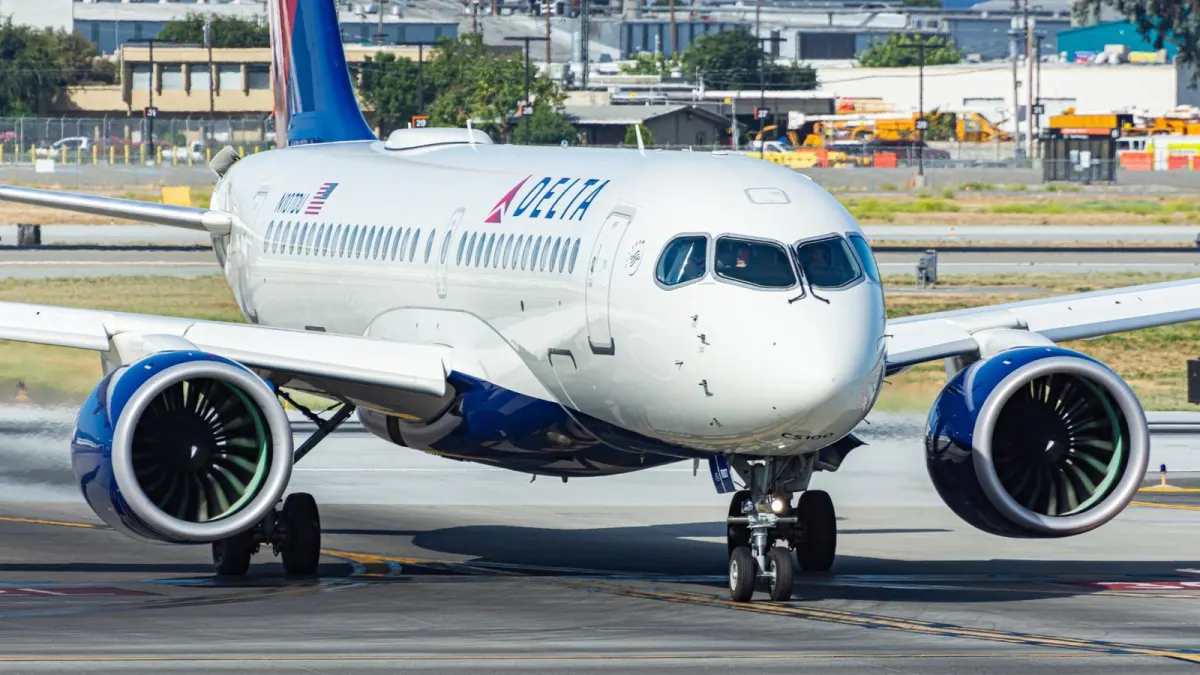
FAA Proposes A220 Fuel Line Inspections for US Operators
The FAA issued a proposed directive requiring inspection of motive-flow fuel lines on 13 US-registered Airbus A220s to prevent potential leaks.
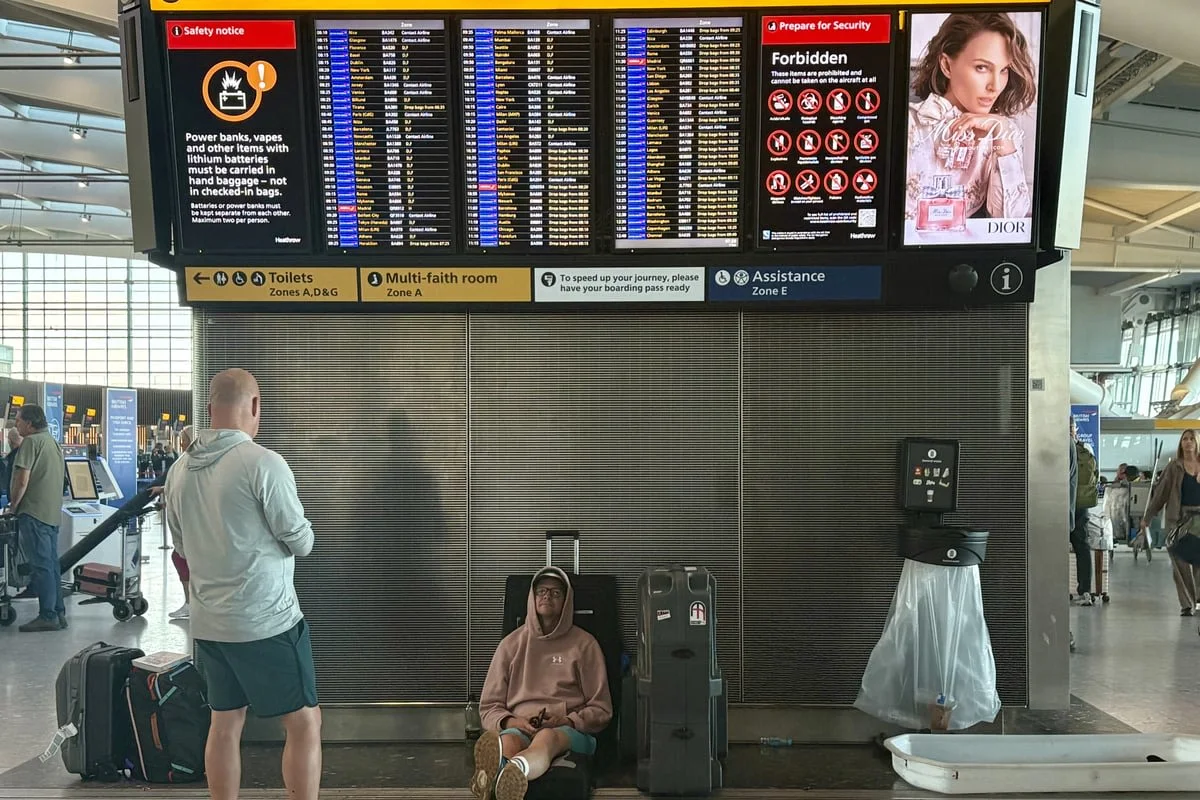
NATS Denies Military Jet Role in UK ATC Outage
The UK Ministry of Defence denied its aircraft caused a NATS outage that led to over 2,000 flight cancellations and calls for CEO resignation.
21 Air Miami Crash: NTSB Investigates 767 Runway Overrun
A fatal 21 Air Boeing 767 crash at Miami International Airport has triggered an NTSB investigation amid scrutiny of Amazon Air's contract oversight.

Amazon Cargo Plane Crash: 5 Remembered After MIA Excursion
Five cleaning crew members died after an Amazon-contracted Boeing 767 overran the runway at Miami International Airport at 158 knots.