UAE Airlines Resume Limited Flights Amid Regional Airspace Closures

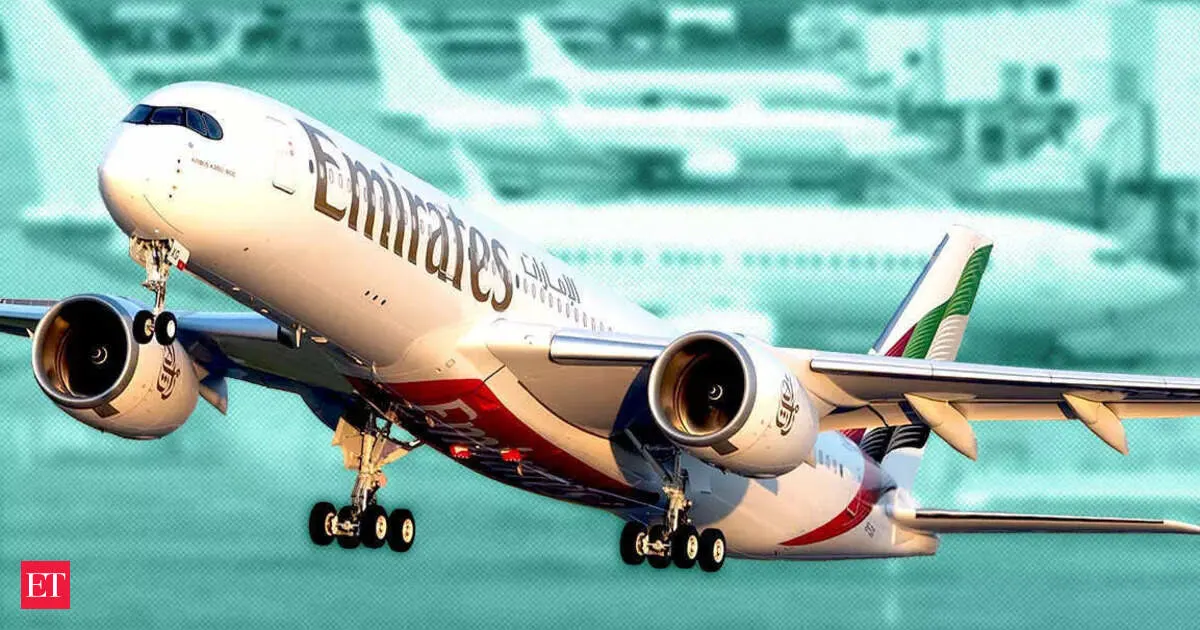
Major UAE carriers resumed over 50 flights on March 9 amid ongoing regional airspace closures prompted by escalating military and political tensions.
Key Takeaways
- •Resumed over 50 flights on March 9, 2026, amid widespread Middle East airspace closures.
- •Operated under Emergency Security Control of Air Traffic (ESCAT) protocols issued by the UAE GCAA.
- •Affected major carriers including Emirates, Etihad, flydubai, and Air Arabia.
- •Offered passengers free rebooking and full refund options for disrupted travel.
Major carriers in the United Arab Emirates resumed limited services on March 9, 2026, with over 50 flights confirmed to be operating despite widespread regional airspace closures. The resumption of flights by airlines including Emirates (EK), Etihad Airways (EY), flydubai (FZ), and Air Arabia (G9) follows significant disruptions caused by escalating geopolitical tensions and military strikes that forced the closure of key air corridors across the Middle East. The partial reopening of services is being conducted under strict regulatory oversight.
The disruption has impacted thousands of passengers, prompting airlines to implement flexible commercial policies. Carriers offered free rebooking options for flights originally scheduled between late February and late March 2026, along with refund eligibility for cancelled services. The situation remains fluid, with carriers advising all passengers to verify their UAE flight status online before traveling to the airport. The closures affect one of the world's most critical aviation crossroads, impacting major hubs in Dubai, Abu Dhabi, and Doha.
Airline Operational Responses
Dubai-based Emirates, the world's largest operator of the Airbus A380 and Boeing 777, was among the first to announce a phased resumption of its schedule. The carrier, which plans to have an active fleet of approximately 110 Airbus A380s by the end of 2026, prioritized key connecting routes to maintain the integrity of its global network. Passengers can find the latest operational updates on the official Emirates Newsroom.
Abu Dhabi's flag carrier, Etihad Airways, also confirmed the operation of select flights. The airline, which maintained an operating fleet of 127 aircraft at the start of 2026, has been managing significant schedule adjustments. The disruption comes after a period of strong performance for the carrier, which carried 2.2 million passengers in January 2026 alone, according to an Etihad Airways press release. The airline is working to reaccommodate affected travelers on the earliest available services.
Low-cost carriers have also been heavily impacted. Government-owned flydubai and Sharjah-based Air Arabia cancelled numerous flights across their networks. According to its 2025 financial results, Air Arabia's fleet reached 90 Airbus A320 and A321 aircraft, having carried 21.8 million passengers across its group that year. Both airlines are providing passengers with rebooking and refund options in line with their policies.
Regulatory and Safety Context
The airspace closures were implemented as a precautionary measure by several national aviation authorities, including the UAE's General Civil Aviation Authority (GCAA). These restrictions were formally communicated to aircrews and operators through the issuance of Notices to Air Missions (NOTAMs), which detailed the specific coordinates and altitudes of the closed air corridors. The GCAA is the primary federal body managing civil aviation in the UAE.
To facilitate the limited resumption of flights, the UAE activated its Emergency Security Control of Air Traffic (ESCAT) protocols. This regulatory framework allows for the controlled operation of approved flights under heightened security conditions, ensuring that aircraft can navigate the region safely while avoiding potential conflict zones. The activation of ESCAT is a measure reserved for significant national or regional security events and underscores the seriousness of the situation.
Broader Industry Impact
The ongoing aviation disruption in the Middle East has far-reaching consequences for global air travel. According to independent aviation analyst Brendan Sobie of Sobie Aviation, the impact of the airspace closures is “massive” because transit passengers constitute a majority of the traffic at the region's main hub airports. This disruption forces dynamic re-routing of flights between Asia, Europe, and Africa, often resulting in longer flight times and increased fuel consumption.
The situation highlights a persistent challenge for the industry: the vulnerability of major flight corridors to geopolitical instability. Airlines with significant operations in the region must maintain robust contingency plans to manage such events, balancing passenger safety, operational viability, and customer service. The prioritization of restoring hub connectivity is a key strategy for Gulf carriers to protect their global network models.
Why This Matters
This event underscores the critical link between regional security and the stability of global aviation networks. For airlines, it demonstrates the necessity of operational agility and flexible passenger policies to mitigate the financial and reputational damage from sudden airspace closures. For the wider industry, it serves as a reminder of the fragility of key international transit hubs, whose operations can be profoundly affected by conflicts far beyond an airport's perimeter.
For in-depth airline coverage and commercial aviation news, omniflights.com delivers timely industry insights. Follow aviation sustainability efforts, emissions research, and green initiatives in the Environmental section at omniflights.com/environmental.

Written by Ujjwal Sukhwani
Aviation News Editor & Industry Analyst delivering clear coverage for a worldwide audience. Covers flight operations, safety regulations, and market trends with expert analysis.
Visit ProfileYou Might Also Like

Southwest Reports Record Q3 Revenue Amid Transformation
American Airlines Reports Record Q3 Revenue Amid Fuel Costs
American Airlines Projects 2026 Loss on Rising Fuel Costs
American Airlines to Nearly Triple Premium 787-9 Fleet

Airline Shares Rise Following United Revenue Guidance