Tan Son Nhat Drone Shutdowns Disrupt 100 Flights

Co-Founder & CTOCo-Founder & CTO driving the technology and data systems behind Omni Flights.
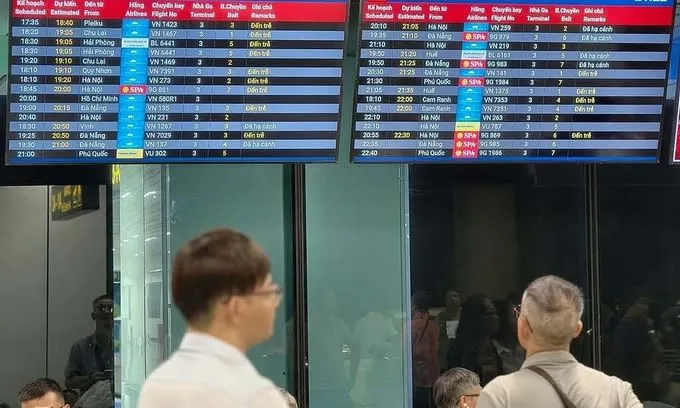
Unauthorized drone incursions at SGN disrupted over 100 flights and forced 27 diversions on August 11.
Key Takeaways
- •SGN drone incursions disrupted over 100 flights on August 11.
- •VATM diverted 27 flights and held over 50 in the air.
- •Three flights declared emergency low fuel levels during holds.
- •CAAV plans counter-UAV defense upgrades starting late 2026.
A massive Tan Son Nhat drone disruption on August 11, 2026, forced a double Vietnam airport drone shutdown at the country’s busiest gateway, triggering widespread SGN flight delays UAV incidents. The unauthorized incursions disrupted more than 100 flights, highlighting critical vulnerabilities in regional airspace security.
The double closure of Tan Son Nhat International Airport (SGN) in Ho Chi Minh City directly impacted 73 flights during the two temporary shutdowns, according to the Vietnam Air Traffic Management Corporation (VATM). The event represents one of the most severe drone-related operational disruptions in Southeast Asian aviation history, forcing multiple emergency declarations and highlighting the urgent need for robust counter-drone infrastructure.
The operational fallout from the incursions was immediate and severe. Inbound aircraft were forced into extended holding patterns or diverted to alternate gateways, straining regional air traffic control. For airlines operating in the region, the event resulted in substantial unplanned fuel burn, schedule disruptions, and logistical challenges as ground crews struggled to manage thousands of delayed passengers.
Airspace Violations and Emergency Fuel Declarations
According to an official Civil Aviation Authority of Vietnam report, the incident began on the evening of August 11, 2026, when two distinct waves of unauthorized Unmanned Aerial Vehicle (UAV) activity were detected in restricted airspace. The first sighting was reported by the crew of AeroLogic flight 3S621, who spotted a drone at an altitude of 1,800 feet (approximately 500 meters from the aircraft). A second sighting occurred shortly after, reported by Vietjet flight VJ601, which observed a drone at 3,000 feet approximately 10 miles from the airport.
In response to these airspace violations, the VATM suspended all takeoffs and landings to ensure passenger safety. During the dual shutdowns, VATM utilized Air Traffic Flow Management (ATFM) protocols to regulate incoming traffic. This included assigning a Calculated Take-Off Time (CTOT) to 71 flights scheduled to depart from origin airports, effectively holding them on the ground.
For flights already airborne, the situation quickly escalated. More than 50 flights were forced into holding patterns, and 27 flights were diverted to alternate airports, such as Can Tho. Due to the prolonged holding times, three flights were forced to declare fuel emergencies before being cleared to land safely.
The incident has direct implications for key stakeholders. For VATM, managing the airspace congestion during the shutdowns placed a severe operational strain on air traffic controllers. Carriers like Vietnam Airlines and Vietjet Air incurred high direct financial losses due to excess fuel burn and the operational costs of managing diverted flights. Meanwhile, the Southern Airports Authority had to coordinate immediate emergency response efforts with military and police units to locate the drone operators.
Gatwick and Dubai: Precedents in Airport Drone Disruption
The disruption at SGN mirrors previous global aviation crises caused by unauthorized UAV activity. In December 2018, the Gatwick Airport Drone Incident in the United Kingdom resulted in the cancellation of over 1,000 flights after repeated drone sightings near the runway, prompting the deployment of military counter-drone assets. Similarly, Dubai International Airport experienced multiple drone-induced shutdowns between 2016 and 2019, which eventually led the United Arab Emirates to implement strict drone registration laws, heavy fines, and advanced detection systems.
In Vietnam, drone operations are legally governed by Decree 288/2025/ND-CP, enacted by the Government of Vietnam and the Ministry of National Defense. Effective since November 2025, this regulation mandates pilot licensing, strict registration of all UAVs, and absolute no-fly zones around commercial airports. However, recreational drone operators have argued that a lack of clear, digital mapping of restricted zones and highly complex permit processes make compliance difficult, sometimes leading to accidental airspace violations.
Vulnerabilities in Visual Detection Systems
The SGN incident exposes a critical gap in modern airport security: the heavy reliance on visual detection for low-altitude aerial threats. According to an official report by the Civil Aviation Authority of Vietnam (CAAV) to the Ministry of Construction, "The detection and handling of unauthorized UAVs and drones still relies heavily on visual observation due to a lack of specialized systems capable of detecting threats, issuing early warnings, and neutralizing drones when necessary." Without active radio-frequency (RF) sensors, radar systems optimized for small targets, or optical tracking arrays, air traffic controllers must rely on pilot reports to identify incursions. This reactive posture delays response times, increases the duration of precautionary shutdowns, and amplifies the economic impact on airlines. As commercial UAV adoption accelerates, the gap between consumer drone capabilities and airport defense systems represents a systemic vulnerability in global air traffic management.
Procurement of Counter-UAV Infrastructure
Following the August 11 disruptions, Vietnamese authorities are accelerating plans to upgrade airport security infrastructure. The CAAV and the Ministry of National Defense are expected to initiate the procurement and deployment of specialized counter-UAV detection and neutralization systems at Tan Son Nhat International Airport between late 2026 and 2027. Additionally, regulatory bodies are expected to step up enforcement of Decree 288/2025/ND-CP. This will likely involve increased scrutiny of commercial drone operators, stricter geofencing requirements near urban centers, and potentially simplified registration portals to encourage compliance among hobbyists.
Why Airport Airspace Security Matters
This development highlights the growing operational threat that consumer technology poses to commercial aviation safety. For airlines and airport operators, a single unauthorized drone flight can trigger millions of dollars in cascading delays, diversions, and safety risks. As regulators struggle to keep pace with the rapid proliferation of UAVs, the incident at SGN underscores the urgent necessity of integrating active, automated counter-drone technologies directly into metropolitan airport defense networks.
Frequently Asked Questions
- What caused the flight disruptions at Tan Son Nhat International Airport on August 11, 2026?
- The flight disruptions were caused by two separate waves of unauthorized drone (unmanned aerial vehicle) activity in the airport's restricted airspace, which forced two temporary shutdowns of all flight operations.
- How many flights were affected by the SGN drone incident?
- The drone incursions directly impacted 73 flights, resulting in 27 diversions to alternate airports and forcing more than 50 flights into holding patterns. Over 100 flights experienced disruptions when accounting for knock-on delays.
- What regulations govern drone flights in Vietnam?
- Drone flights in Vietnam are governed by Decree 288/2025/ND-CP, which requires pilot licensing, mandatory registration of unmanned aerial vehicles, and strictly prohibits flights in no-fly zones around commercial airports.
From airline operations to fleet updates, commercial aviation news lives at omniflights.com. Track policy changes, airspace rules, and global aviation governance in the Regulatory category at omniflights.com/regulatory.
Written by Shashank Shukla
Co-Founder & CTO leading the engineering and AI systems behind Omni Flights. Covers aviation technology, flight safety, aircraft manufacturing, and emerging aerospace developments.
Visit ProfileYou Might Also Like
Discover more aviation news based on similar topics

Families Demand DCA Midair Collision Safety Reforms
Families of 67 victims from the 2025 DCA midair collision are pressing Congress for mandatory ADS-B In technology to prevent future aviation tragedies.
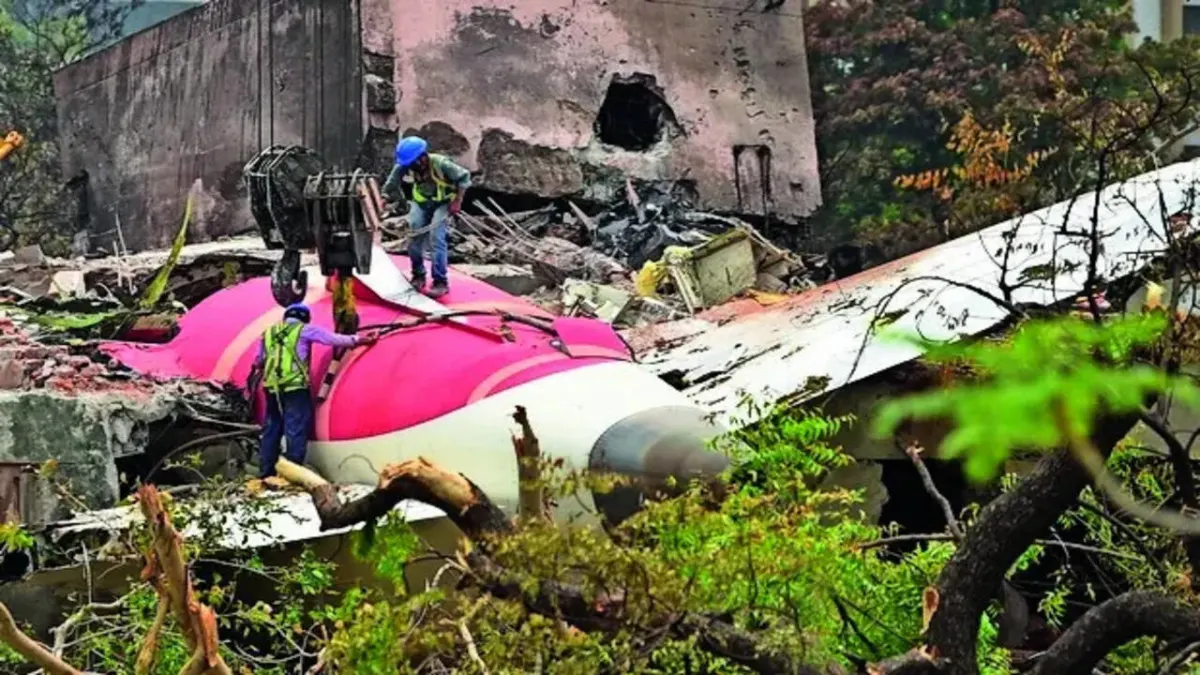
FAS Challenges AAIB Over Boeing 787 Safety Data
The Foundation for Aviation Safety is urging the AAIB to issue safety warnings for the Boeing 787 fleet following the fatal Air India 171 crash.
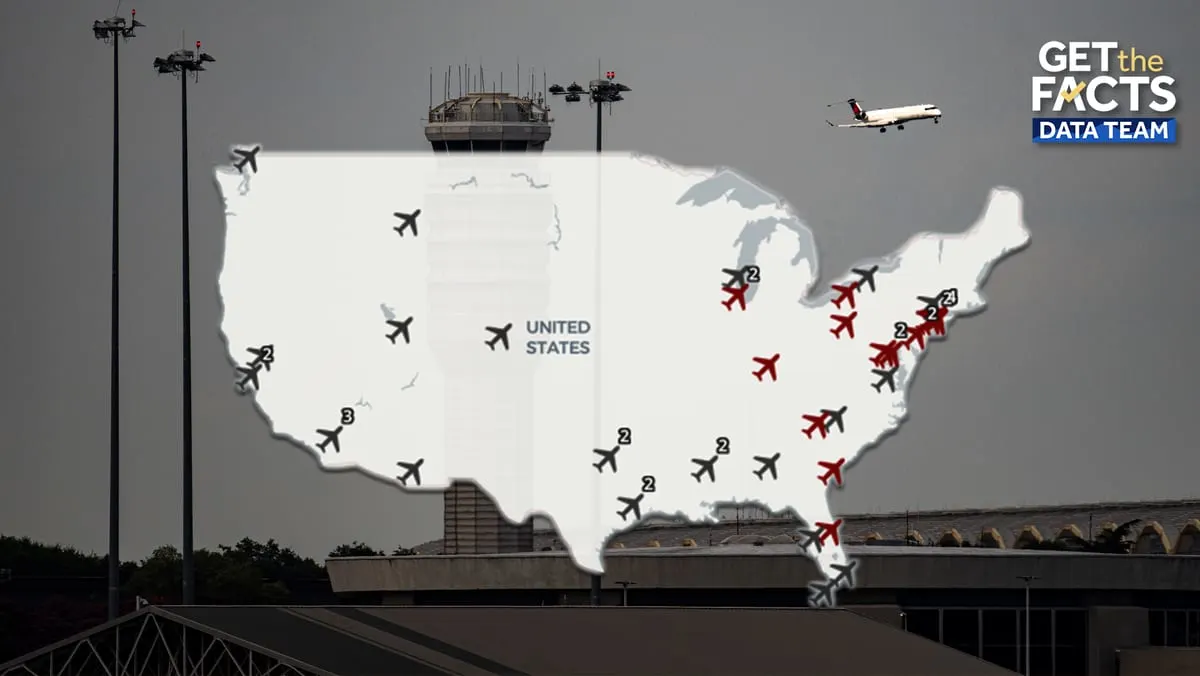
NTSB Safety Recommendations Lag Amid 6 Monthly Near-Misses
Approximately 6 near-miss incidents occur monthly at U.S. airports as 270 NTSB safety recommendations remain unaddressed by federal regulators.
NTSB Rejects FAA Safety Responses After 67-Fatality Crash
The NTSB labeled 11 FAA responses to 2025 DCA mid-air collision recommendations as unacceptable, citing the lack of a mandatory ADS-B In requirement.
EASA Orders Urgent Airbus A380 Wing Spar Inspections
The EASA ordered urgent inspections on 16 Airbus A380s after discovering wing spar cracks that could compromise structural integrity.
Ryanair Flight RK514 Diverts to Birmingham After Emergency
Ryanair flight RK514 diverted to Birmingham Airport on September 13, 2026, following a medical emergency involving a passenger.