STSB Report: Pilot Incapacitation Caused A320 Control Upset Near Nice

Co-Founder & CEOAviation News Editor delivering trusted coverage across the global aviation industry.

A new STSB report details how a SWISS A320 captain's food poisoning led to a mid-air faint, causing involuntary control inputs before a safe landing.
Key Takeaways
- •Reveals a SWISS A320 captain fainted from food poisoning on final approach.
- •Caused uncommanded rolls of up to 10 degrees and a 1,500 fpm sink rate.
- •Highlights the critical role of co-pilot intervention in ensuring a safe landing.
- •Reinforces industry rules for staggered crew meals to prevent dual incapacitation.
A final report released by the Swiss Transportation Safety Investigation Board (STSB), also known as the Schweizerische Sicherheitsuntersuchungsstelle (SUST), has detailed a serious 2018 incident where an Airbus A320 captain experienced an in-flight medical emergency due to food poisoning. The pilot’s subsequent incapacitation led to involuntary side-stick inputs that caused the aircraft to roll and descend rapidly just moments before landing. The swift actions of the co-pilot prevented a potential disaster, allowing for a safe landing.
The incident, involving SWISS flight LX564 from Zurich to Nice on August 11, 2018, underscores the critical importance of multi-crew cockpit procedures and training for sudden pilot incapacitation. The comprehensive STSB aviation report provides a second-by-second analysis of how a routine flight with 166 passengers and crew aboard faced a critical emergency in its final phase of flight. The event serves as a crucial case study for aviation safety investigations, particularly concerning medical emergencies and fly-by-wire control systems.
Incident Details from the STSB Report
According to the STSB final report, the captain of the Airbus A320-214 began to feel unwell during the descent into Nice Côte d'Azur Airport (NCE). The cause was later identified as severe food poisoning. As the aircraft descended through its final approach, the captain fainted. While unconscious, the captain’s body slumped against the side-stick, resulting in significant and uncommanded control inputs.
The flight data recorder captured the severity of the upset. The involuntary side-stick inputs commanded a 10-degree bank to the right, which was immediately followed by an 8-degree bank to the left. This erratic rolling motion was coupled with a dangerously high sink rate, which at its peak exceeded 1,500 feet per minute. The co-pilot, immediately recognizing the pilot incapacitation, took control of the aircraft. The captain began to regain consciousness at approximately 200 feet above ground level, roughly 30 seconds before the aircraft touched down safely on the runway under the co-pilot's command.
Crew Procedures and Safety Protocols
The incident aboard flight LX564 validates the effectiveness of established pilot incapacitation procedures mandated by regulators like the European Union Aviation Safety Agency (EASA). The two-person cockpit rule is designed for precisely this type of scenario, ensuring a fully qualified pilot is always available to assume control. The co-pilot's ability to diagnose the situation, disconnect the captain's controls, and stabilize the aircraft's flight path demonstrates the success of recurrent simulator training for such emergencies.
Furthermore, this event highlights the operational wisdom behind protocols requiring pilots to consume different meals provided by airline catering. This procedure is a key mitigation strategy to prevent both pilots from being simultaneously incapacitated by foodborne illness. The incident has likely prompted a review of crew meal safety protocols among airline catering providers and reinforced the importance of this rule among flight crews.
Historical Precedents
While dramatic, sudden pilot incapacitation due to medical issues is not an unprecedented event in commercial aviation. A remarkably similar incident occurred in August 2020 involving the same airline. The crew of SWISS Flight LX1077, an Airbus A321, declared a Mayday after one pilot became incapacitated, also from suspected food poisoning. That aircraft also landed safely in Zurich. The pattern suggests a recurring, if infrequent, operational risk that airlines must continuously manage.
Another relevant case occurred in February 2013 on Alaska Airlines Flight 473. The captain of a Boeing 737 passed out mid-flight from what was believed to be food poisoning or a severe virus. The co-pilot took command and safely diverted the aircraft. These historical precedents demonstrate that across different airlines and aircraft types, the multi-crew operational model is a robust defense against single-pilot medical emergencies.
Technical Analysis
The Airbus A320's fly-by-wire architecture played a notable role in this event. While the captain's involuntary inputs caused the initial upset, the system's inherent envelope protections likely prevented the aircraft from entering a more extreme or unrecoverable state. However, the core of the successful outcome was human, not technological. The co-pilot's training and quick intervention were paramount. This incident serves as a powerful reminder that while modern flight control systems provide a significant safety margin, they are designed to be managed by a competent and alert flight crew. The event reinforces the industry's reliance on a combination of robust technology and rigorous, scenario-based human-factors training to manage unforeseen emergencies.
Why This Matters
This incident is a critical real-world validation of modern aviation safety philosophy. It confirms the effectiveness of multi-crew pilot licensing, the necessity of rigorous training for incapacitation events, and the value of simple operational rules like staggered crew meals. For safety regulators and airlines, the STSB's detailed report on flight LX564 provides invaluable data, reinforcing that established safety layers work as intended to protect passengers and crew even during sudden and severe in-flight medical emergencies.
Visit omniflights.com for the latest commercial aviation news and airline industry updates. For reporting on UAP sightings, investigations, and aviation-related encounters, see the UAPs section at omniflights.com/uaps.
Written by Hardik Vishwakarma
Co-Founder & Aviation News Editor leading initiatives that improve trust and visibility across the global aviation industry. Covers airlines, airports, safety, and emerging technology.
Visit ProfileYou Might Also Like
Discover more aviation news based on similar topics

Families Demand DCA Midair Collision Safety Reforms
Families of 67 victims from the 2025 DCA midair collision are pressing Congress for mandatory ADS-B In technology to prevent future aviation tragedies.
FAS Challenges AAIB Over Boeing 787 Safety Data
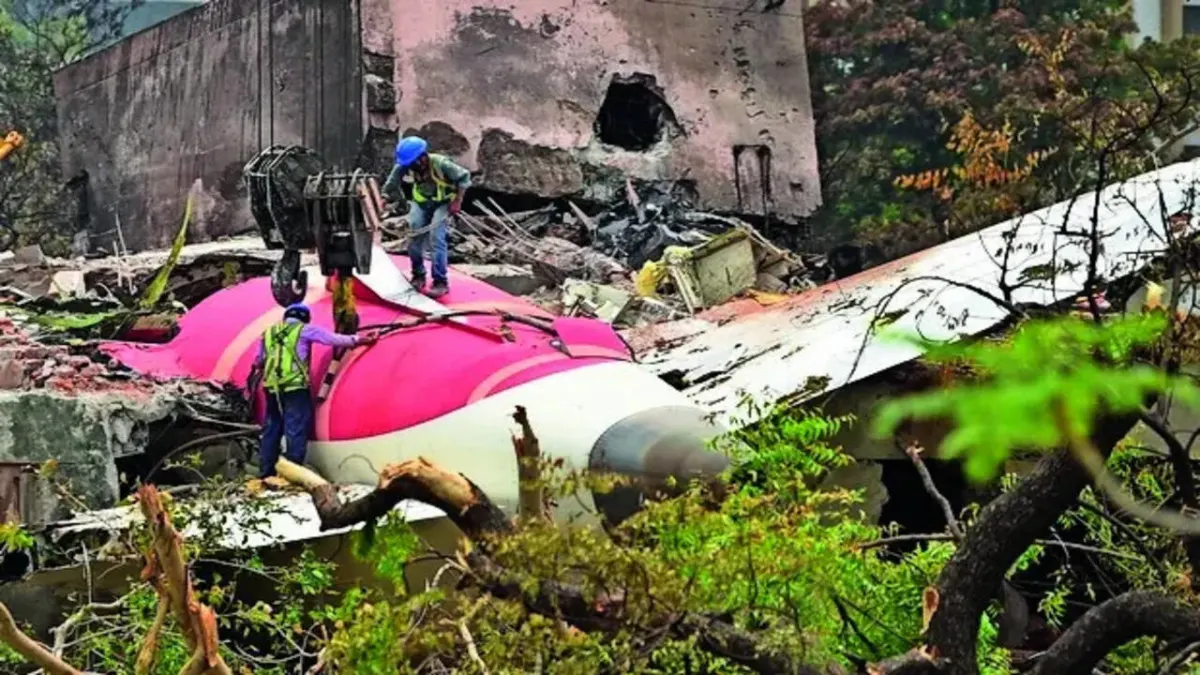
The Foundation for Aviation Safety is urging the AAIB to issue safety warnings for the Boeing 787 fleet following the fatal Air India 171 crash.
NTSB Safety Recommendations Lag Amid 6 Monthly Near-Misses
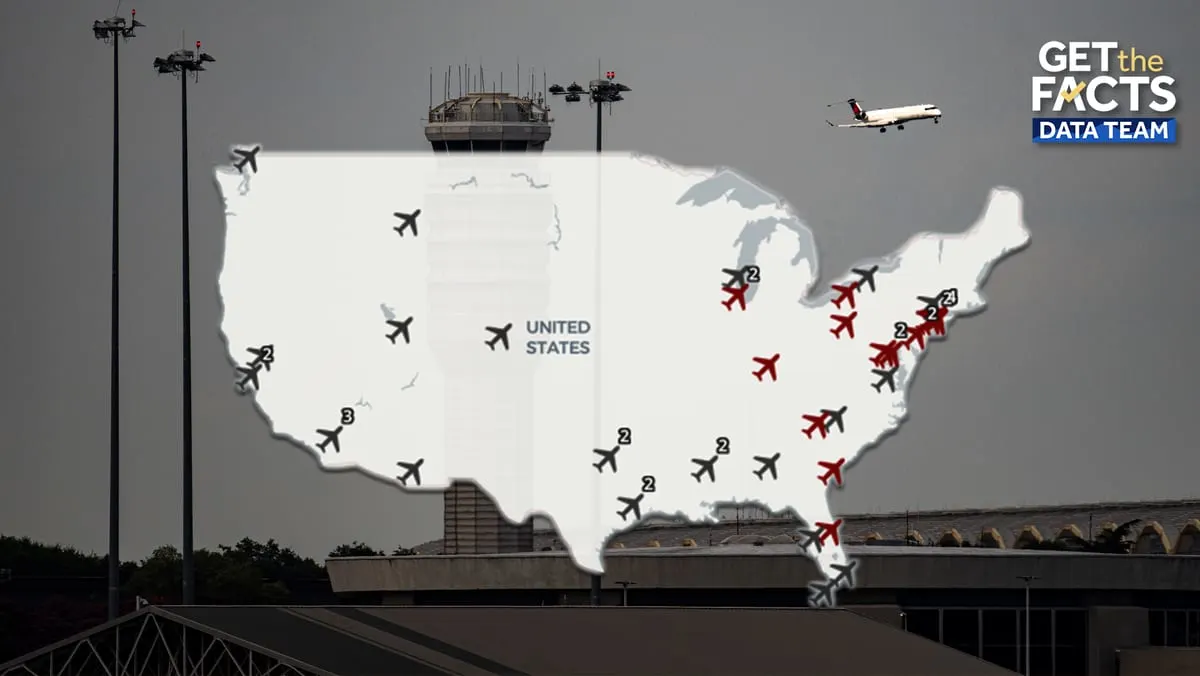
Approximately 6 near-miss incidents occur monthly at U.S. airports as 270 NTSB safety recommendations remain unaddressed by federal regulators.
NTSB Rejects FAA Safety Responses After 67-Fatality Crash
The NTSB labeled 11 FAA responses to 2025 DCA mid-air collision recommendations as unacceptable, citing the lack of a mandatory ADS-B In requirement.
EASA Orders Urgent Airbus A380 Wing Spar Inspections
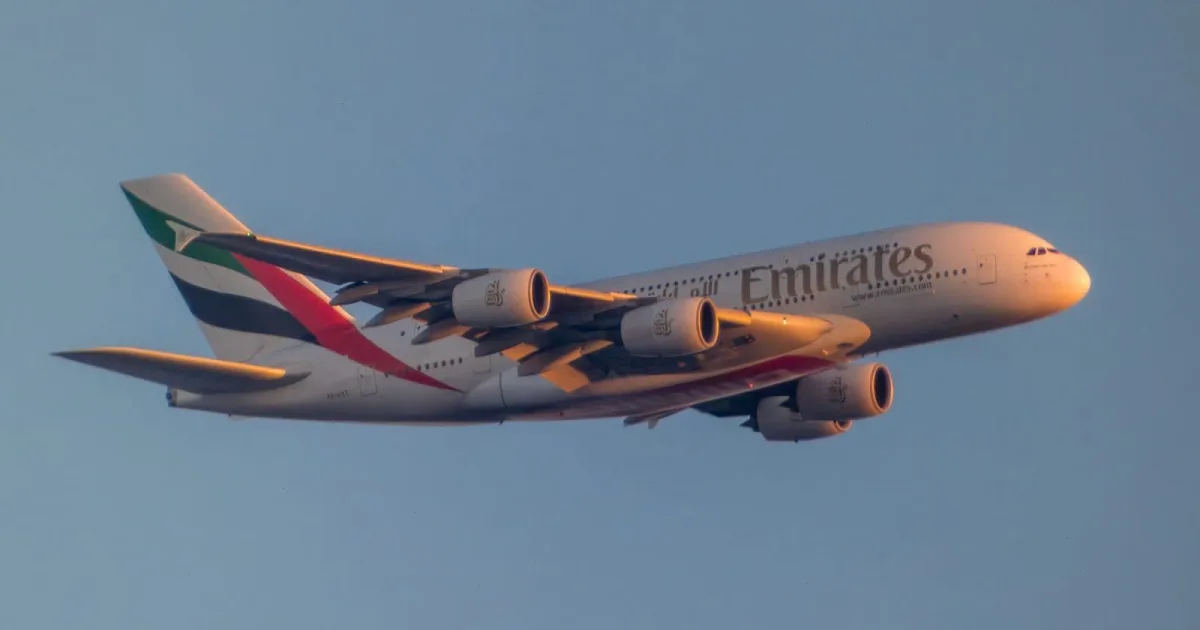
The EASA ordered urgent inspections on 16 Airbus A380s after discovering wing spar cracks that could compromise structural integrity.
Ryanair Flight RK514 Diverts to Birmingham After Emergency
Ryanair flight RK514 diverted to Birmingham Airport on September 13, 2026, following a medical emergency involving a passenger.