SQ321 Turbulence Probe Points to Weather Radar Failure

Co-Founder & CTOCo-Founder & CTO driving the technology and data systems behind Omni Flights.
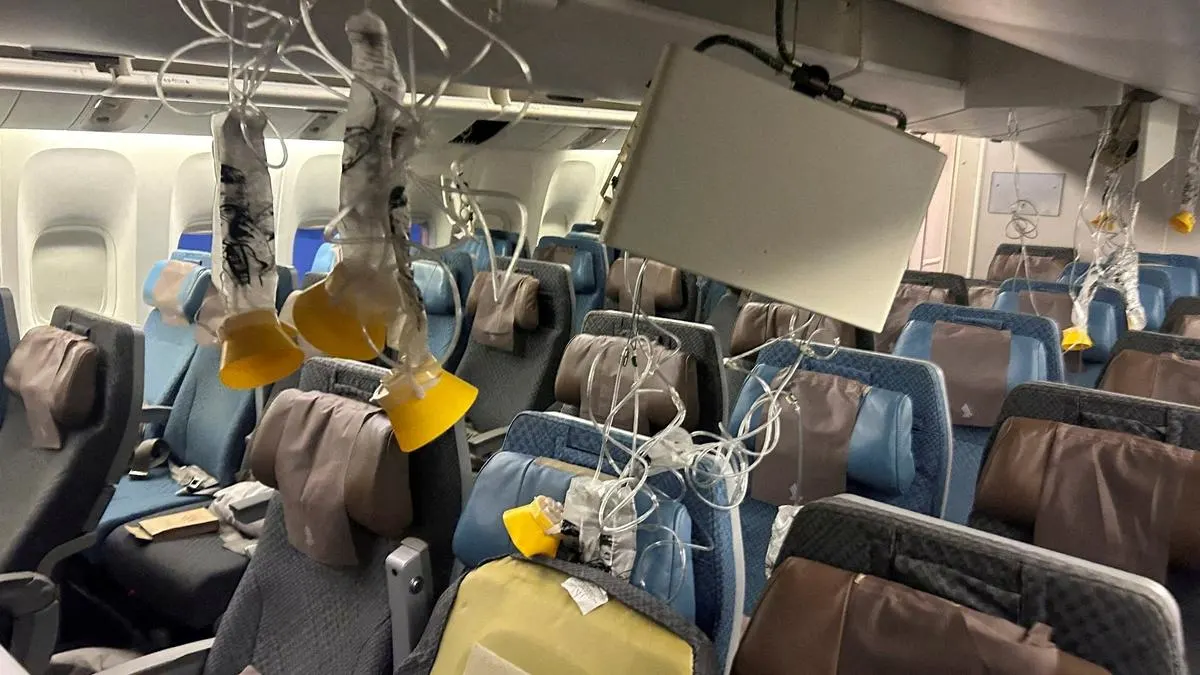
Singapore Airlines SQ321 encountered severe turbulence, resulting in 104 injuries and prompting an official investigation into weather radar systems.
Key Takeaways
- •Singapore Airlines flight SQ321 suffered severe turbulence over Myanmar.
- •TSIB investigation report highlighted potential weather radar malfunctions.
- •Turbulence event resulted in 1 fatality and 104 passenger injuries.
- •Lawsuits accelerate as passengers seek compensation for severe trauma.
The final TSIB investigation report into the Singapore Airlines flight SQ321 incident reveals critical details about the severe turbulence that struck the aircraft. The Boeing 777-300ER turbulence event occurred over Myanmar on May 21, 2024, resulting in 1 fatality and 104 injuries requiring immediate medical attention.
The incident has intensified scrutiny on how commercial flight crews detect and navigate convective weather systems. It also highlights the growing threat of clear-air turbulence (CAT) in an era of shifting global climate patterns. With 56 passengers suffering severe injuries, the event has triggered significant legal actions and forced airlines to re-evaluate in-flight safety protocols, particularly regarding seatbelt compliance during cruise phases.
According to the Transport Safety Investigation Bureau preliminary findings, the flight was carrying 211 passengers and 18 crew members from London's Heathrow Airport (LHR) to Singapore Changi Airport (SIN). The severe turbulence struck approximately 10 hours into the 13-hour flight at an altitude of 37,000 feet over the Irrawaddy Basin in Myanmar. The TSIB (Transport Safety Investigation Bureau), operating under Annex 13 to the Convention on International Civil Aviation, led the safety probe with assistance from the NTSB (National Transportation Safety Board) because the Boeing 777-300ER was manufactured in the United States.
The investigation focused heavily on the aircraft's onboard weather radar system. The TSIB investigation report indicated that the radar may have under-painted or failed to adequately depict the rapidly developing storm cell ahead of the flight path. This potential aviation weather radar failure left the flight crew with minimal warning to command passengers to fasten their seatbelts before the aircraft experienced sudden, violent vertical accelerations.
For the Flight SQ321 Passengers, the physical and psychological toll has translated into a wave of legal actions. Lawsuits are accelerating following the release of the final investigation report, with many passengers seeking compensation for severe spinal, head, and cognitive injuries. While Singapore Airlines faces medium-severity liability claims, its financial exposure is expected to be largely mitigated by insurance coverage. Meanwhile, weather radar manufacturers face potential regulatory scrutiny regarding the performance of convective hazard detection systems under specific atmospheric conditions.
Legal representatives for the passengers have challenged the initial characterization of the event. Peter Carter, Director at Capner Law, stated, "The airline had the travelling public worldwide terrified on the suggestion that the accident was unavoidable because it was 'clear air turbulence', yet the report concludes what we have said all along, which was the accident was caused by flying in proximity to thunderstorms, which should never have happened." This alternative perspective argues that the flight path selection, rather than unavoidable CAT, was a primary contributing factor to the disaster.
The SQ321 incident aligns with broader industry trends showing an increasing frequency of severe CAT linked to climate change. Meteorological research indicates that wind shear in jet streams at cruising altitudes has increased by 15% since 1979, leading to more intense and frequent turbulence encounters for commercial aviation globally. This rise in atmospheric instability presents a growing operational challenge for long-haul carriers operating high-altitude routes.
Historically, severe turbulence encounters have driven major regulatory and operational shifts. On December 28, 1997, United Airlines Flight 826, a Boeing 747, encountered severe clear-air turbulence over the Pacific Ocean, resulting in 1 fatality and 102 injuries. That historical precedent led to stricter industry-wide seatbelt enforcement policies during cruise flight, a pattern that contrasts with the current situation where the focus is shifting toward weather radar limitations and flight path planning around active convective zones.
Meteorological Dynamics and Radar Limitations in Convective Zones
This development indicates a critical gap between modern flight planning software, onboard radar capabilities, and the rapid intensification of convective storm cells. Historically, flight crews relied on radar reflectivity to bypass storms, but the SQ321 incident suggests that rapidly developing cumulonimbus clouds can bypass traditional detection thresholds before crews can execute evasive maneuvers. As wind shear in jet streams continues to rise due to climate change, the industry is transitioning from a reactive posture—relying on seatbelt signs—to a predictive model utilizing real-time, crowd-sourced turbulence data and advanced satellite imaging. This shift accelerates the trajectory established after the United Airlines Flight 826 incident, moving the safety focus from cabin containment to active meteorological avoidance.
Legal Settlements and Radar Certification Timelines
The resolution of the SQ321 incident will progress through several defined legal and regulatory milestones. The settlement of passenger compensation claims is expected to occur between 2026 and 2027, overseen by civil courts as individual and class-action lawsuits proceed. Concurrently, aviation regulators are expected to review weather radar certification standards to address the potential under-painting of convective cells. These regulatory evaluations will likely influence future software updates for onboard radar systems, though a definitive timeline for mandatory hardware retrofits has not been established by international authorities.
Why Radar Reliability and Route Planning Matter
For aviation professionals, this case underscores that clear-air turbulence is no longer the sole unpredictable threat at high altitudes; convective cell development requires more robust detection. It signals a shift where airlines must balance fuel-efficient routing against the safety margins of wider detours around developing weather. Ultimately, the findings will redefine how flight crews interact with automated weather systems, directly impacting passenger safety and liability frameworks worldwide.
Frequently Asked Questions
- What caused the severe turbulence on Singapore Airlines flight SQ321?
- According to the TSIB investigation, flight SQ321 encountered rapid vertical accelerations while flying near a developing convective storm cell over Myanmar. The investigation highlighted that the aircraft's weather radar may have failed to adequately depict the developing thunderstorm.
- How many passengers were injured during the SQ321 turbulence event?
- The severe turbulence event resulted in one passenger fatality and 104 injuries requiring medical care, with 56 passengers suffering severe injuries.
- What aircraft model was involved in the SQ321 incident?
- The incident involved a Boeing 777-300ER carrying 211 passengers and 18 crew members on a flight from London Heathrow to Singapore.
From airline operations to fleet updates, commercial aviation news lives at omniflights.com. Follow aviation sustainability efforts, emissions research, and green initiatives in the Environmental section at omniflights.com/environmental.
Written by Shashank Shukla
Co-Founder & CTO leading the engineering and AI systems behind Omni Flights. Covers aviation technology, flight safety, aircraft manufacturing, and emerging aerospace developments.
Visit ProfileYou Might Also Like
Discover more aviation news based on similar topics

Families Demand DCA Midair Collision Safety Reforms
Families of 67 victims from the 2025 DCA midair collision are pressing Congress for mandatory ADS-B In technology to prevent future aviation tragedies.
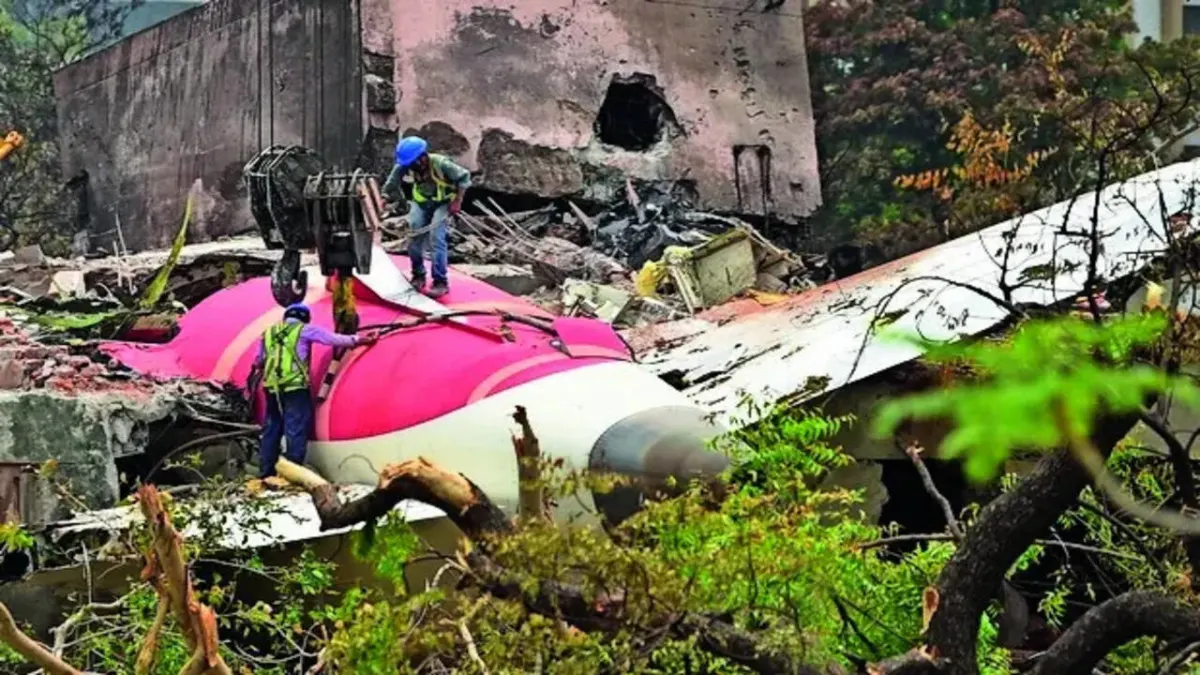
FAS Challenges AAIB Over Boeing 787 Safety Data
The Foundation for Aviation Safety is urging the AAIB to issue safety warnings for the Boeing 787 fleet following the fatal Air India 171 crash.
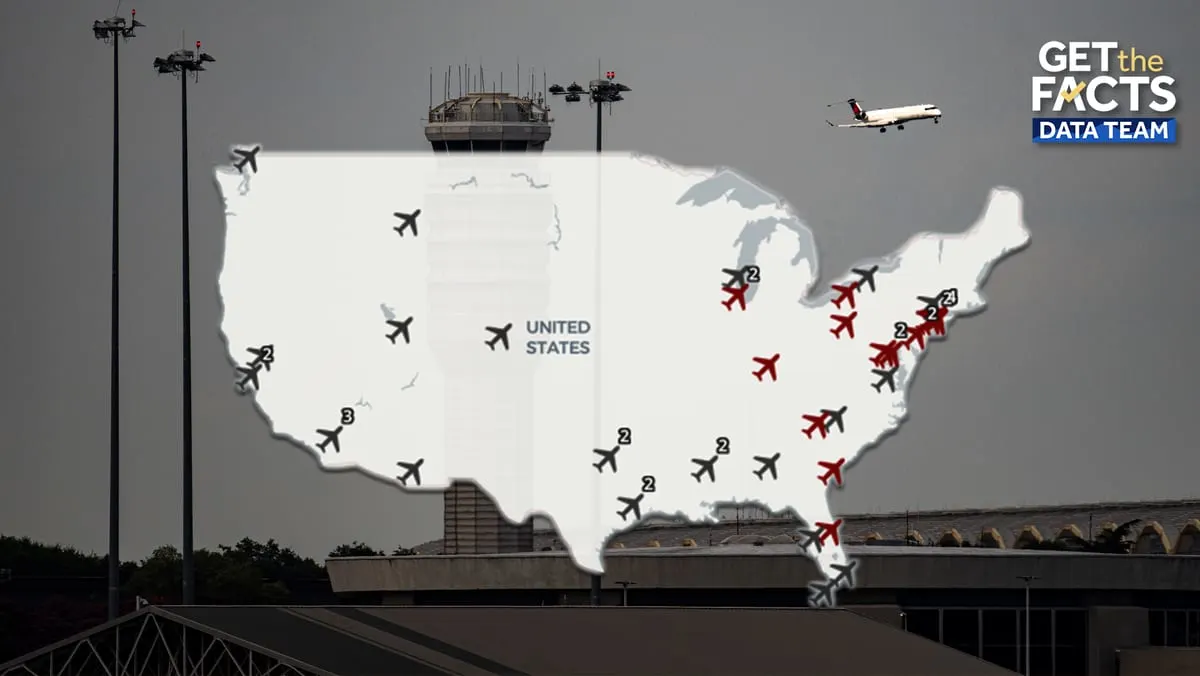
NTSB Safety Recommendations Lag Amid 6 Monthly Near-Misses
Approximately 6 near-miss incidents occur monthly at U.S. airports as 270 NTSB safety recommendations remain unaddressed by federal regulators.
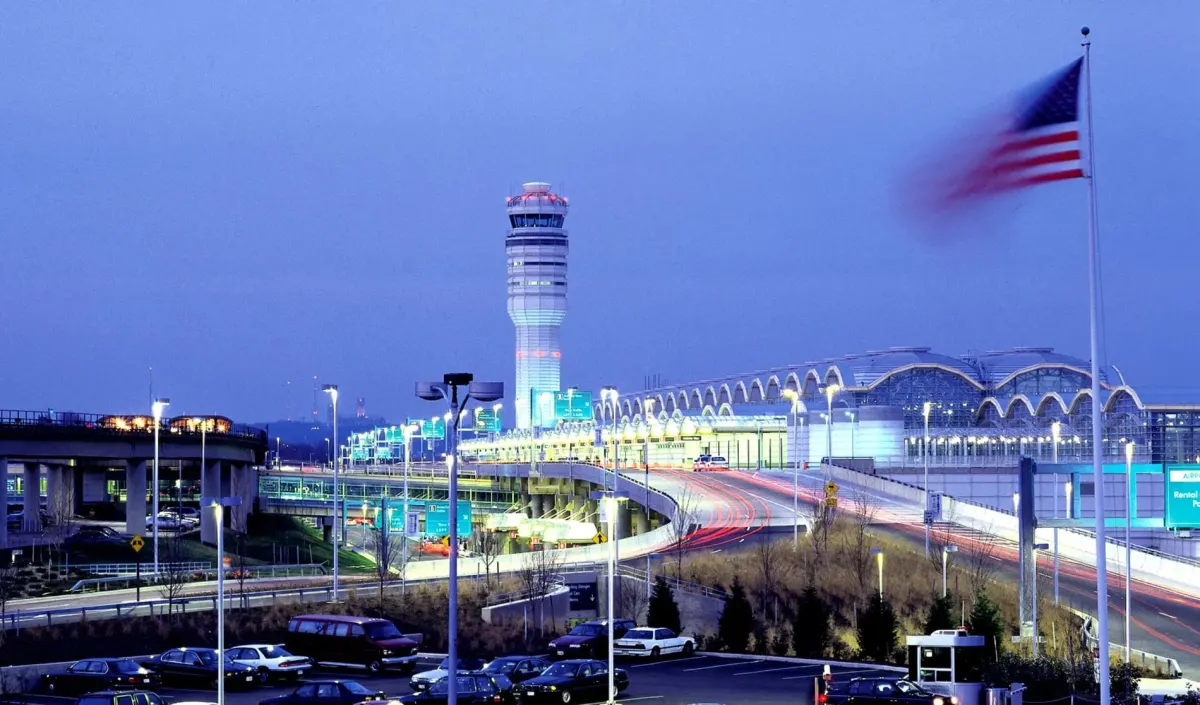
NTSB Rejects FAA Safety Responses After 67-Fatality Crash
The NTSB labeled 11 FAA responses to 2025 DCA mid-air collision recommendations as unacceptable, citing the lack of a mandatory ADS-B In requirement.
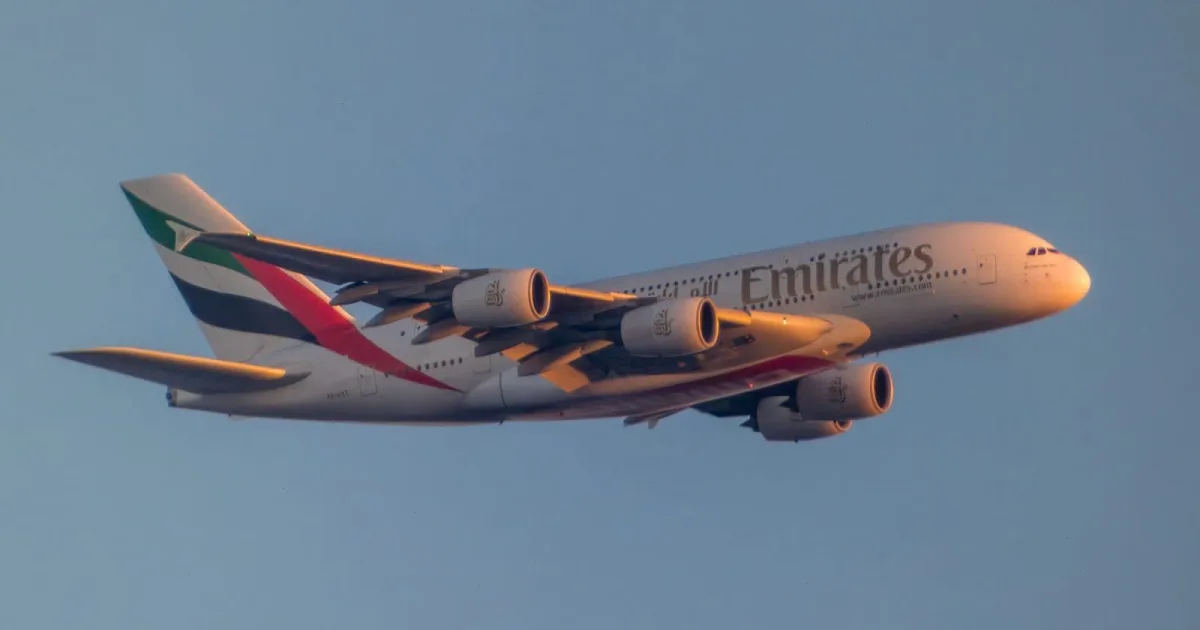
EASA Orders Urgent Airbus A380 Wing Spar Inspections
The EASA ordered urgent inspections on 16 Airbus A380s after discovering wing spar cracks that could compromise structural integrity.
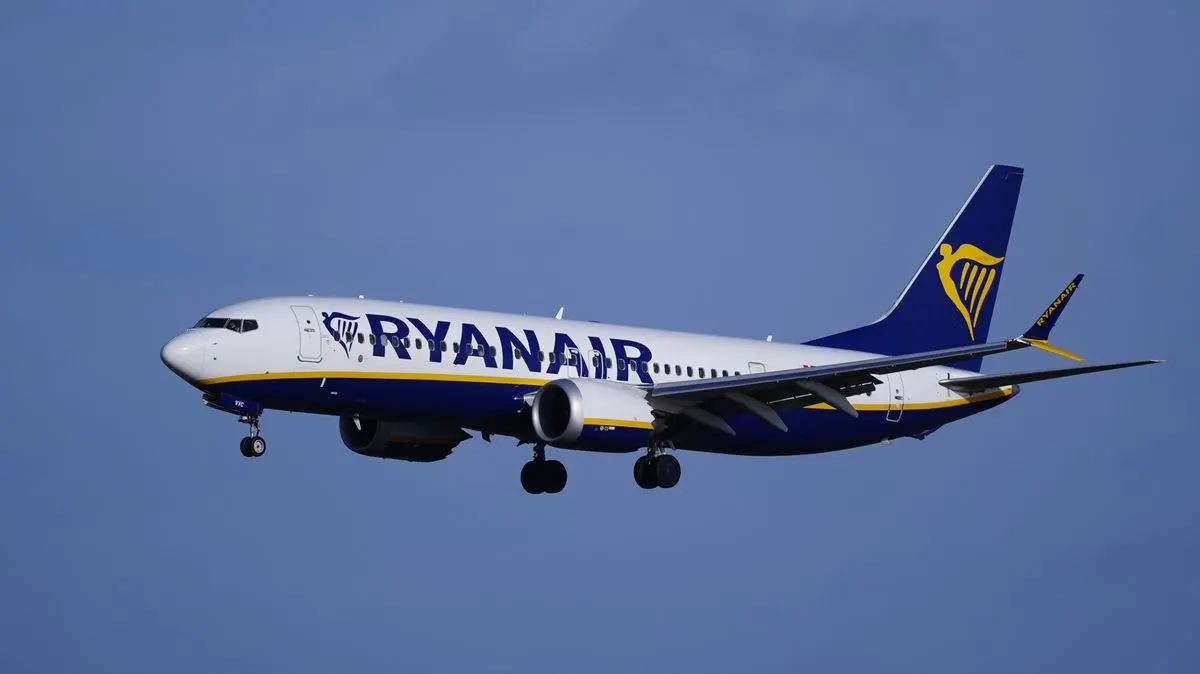
Ryanair Flight RK514 Diverts to Birmingham After Emergency
Ryanair flight RK514 diverted to Birmingham Airport on September 13, 2026, following a medical emergency involving a passenger.