Somon Air Takes Delivery of First Boeing 737-8

Aviation News Editor & Industry AnalystAviation News Editor & Industry Analyst delivering clear coverage for a worldwide audience.
Somon Air has taken delivery of its first Boeing 737-8 leased from DAE, introducing the 3,500-mile range aircraft type to Tajikistan.
Key Takeaways
- •Somon Air took delivery of its first Boeing 737-8 aircraft in Tajikistan.
- •The narrowbody jet is leased from Dubai Aerospace Enterprise.
- •New 737 MAX aircraft offers a range of 3,500 nautical miles.
- •Fuel consumption is reduced by 20% compared to older models.
Tajikistan-based carrier Somon Air has taken delivery of its first Boeing 737-8, marking the historic debut of the Somon Air 737 MAX in the country. This initial Boeing 737-8 delivery is part of a long-term transaction structured through a Dubai Aerospace Enterprise lease agreement. The introduction of this modern single-aisle jet represents a significant milestone for the airline as it begins a comprehensive fleet modernization and network expansion program.
The arrival of the new narrowbody aircraft provides Somon Air with enhanced operational capabilities to support its strategic growth. By leveraging the advanced range and economics of the Boeing 737-8, the Dushanbe-headquartered airline plans to open new long-haul routes connecting Central Asia to major destinations across Europe and East Asia. The fleet expansion is designed to capture growing regional travel demand while lowering operating costs.
According to official announcements from the aircraft lessor and manufacturer, this aircraft is the first of two jets delivered under a long-term Dubai Aerospace Enterprise lease agreement signed in early 2026. The DAE (Dubai Aerospace Enterprise) portfolio expansion into Tajikistan represents a new geographic footprint for the lessor.
The Boeing 737-8 features a maximum seating capacity of up to 210 passengers and delivers a maximum range of 3,500 nautical miles (approximately 6,480 kilometers). This performance profile allows Somon Air to optimize its medium-to-long-haul schedule. Furthermore, the 737 MAX platform reduces fuel consumption and carbon emissions by 20% compared to the older-generation aircraft it is slated to replace.
The strategic value of the acquisition was emphasized by leadership. "Considering the central geographic location of Tajikistan and the improved range capability of Boeing 737-8, this fleet expansion gives Somon Air opportunity to open new routes with improved economics considering the new aircrafts' fuel efficiency," stated Abdulkosim Valiev, CEO of Somon Air.
For Somon Air, the high-severity stakeholder impact of this delivery is centered on its ability to launch direct flights to key global business hubs, including London, Beijing, and Guangzhou. For DAE, the medium-severity impact involves successfully placing two 737 MAX aircraft on long-term lease, securing steady revenue streams while strengthening its presence in the expanding Central Asian aviation market.
Central Asian Fleet Modernization Trends
The addition of the 737-8 aligns with a broader trend of Central Asian airlines modernization. Historically, regional carriers have relied on older narrowbody and widebody types that suffered from high operating costs. In March 2018, Kazakhstan-based SCAT Airlines became the first carrier in Central Asia to operate the 737 MAX, taking delivery of the first of six ordered jets. This transition demonstrated the viability of the airframe in the region's challenging operating environments. Similarly, in September 2019, Kazakhstan's flag carrier, Air Astana, took delivery of its first Airbus A321LR to replace aging Boeing 757 aircraft on long-haul routes. These precedents highlight a regional strategy where operators leverage advanced, fuel-efficient single-aisle aircraft to reach distant European and Asian markets without the financial risk of operating larger widebody fleets.
Boeing 737 MAX 8 vs. Boeing 737-800: Key Specifications
To illustrate the operational advantages of the new fleet addition, the following table compares the specifications of the newly delivered Boeing 737-8 against the older Boeing 737-800 variant:
| Metric | Boeing 737 MAX 8 | Boeing 737-800 |
|---|---|---|
| Maximum Range | 3,500 nm | 2,935 nm |
| Maximum Seating | 210 passengers | 189 passengers |
| Fuel Efficiency | 20% lower fuel use and carbon emissions | Baseline |
The Economic Efficiency of Narrowbody Fleet Renewal
This development indicates a structural shift in Central Asian aviation economics, where airlines are increasingly substituting legacy platforms with high-efficiency narrowbodies to bypass traditional hub-and-spoke constraints. The 20% fuel burn reduction of the 737-8 directly addresses the high cost of fuel in landlocked Central Asian nations, while the extended 3,500 nautical mile range allows Somon Air to bypass intermediate stops. Historically, similar narrowbody transitions in secondary markets have led to a rapid expansion of point-to-point international routes. By adopting the 737 MAX, Somon Air accelerates the regional trend established by SCAT Airlines and Air Astana, positioning itself to compete directly on routes that previously required widebody capacity or complex interline connections.
Delivery Timeline for the Second Boeing 737-8
Following the arrival of the first aircraft, the delivery of the second leased Boeing 737-8 aircraft from Dubai Aerospace Enterprise is expected to occur later in 2026. This second delivery will complete the initial lease agreement. Once both aircraft are fully integrated into the carrier's active fleet, Somon Air is expected to initiate formal regulatory filings and route proving flights for its proposed routes to Europe and East Asia.
Why Tajikistan's New Fleet Matters for Regional Connectivity
This development signals a significant upgrade in Tajikistan's international aviation profile, transforming Dushanbe into a more viable regional transit point. For passengers, the introduction of the 737 MAX means access to direct, more environmentally sustainable long-haul flights to major global destinations. For the broader aviation industry, it underscores the continuing dominance of fuel-efficient single-aisle aircraft in reshaping secondary international route networks.
Frequently Asked Questions
- Which airline in Tajikistan recently added the Boeing 737 MAX to its fleet?
- Somon Air became the first airline in Tajikistan to add the Boeing 737 MAX to its fleet, taking delivery of its first Boeing 737-8 aircraft.
- How many Boeing 737-8 aircraft is Somon Air leasing?
- Somon Air is leasing a total of two Boeing 737-8 aircraft from Dubai Aerospace Enterprise under a long-term agreement.
- What is the range and passenger capacity of the Boeing 737-8?
- The Boeing 737-8 offers a maximum range of 3,500 nautical miles and can accommodate up to 210 passengers depending on the configuration.
For in-depth airline coverage and commercial aviation news, omniflights.com delivers timely industry insights. Discover how innovation is shaping aviation through aircraft systems, avionics, and digital tools at omniflights.com/technology.
Written by Ujjwal Sukhwani
Aviation News Editor & Industry Analyst delivering clear coverage for a worldwide audience. Covers flight operations, safety regulations, and market trends with expert analysis.
Visit ProfileYou Might Also Like
Discover more aviation news based on similar topics
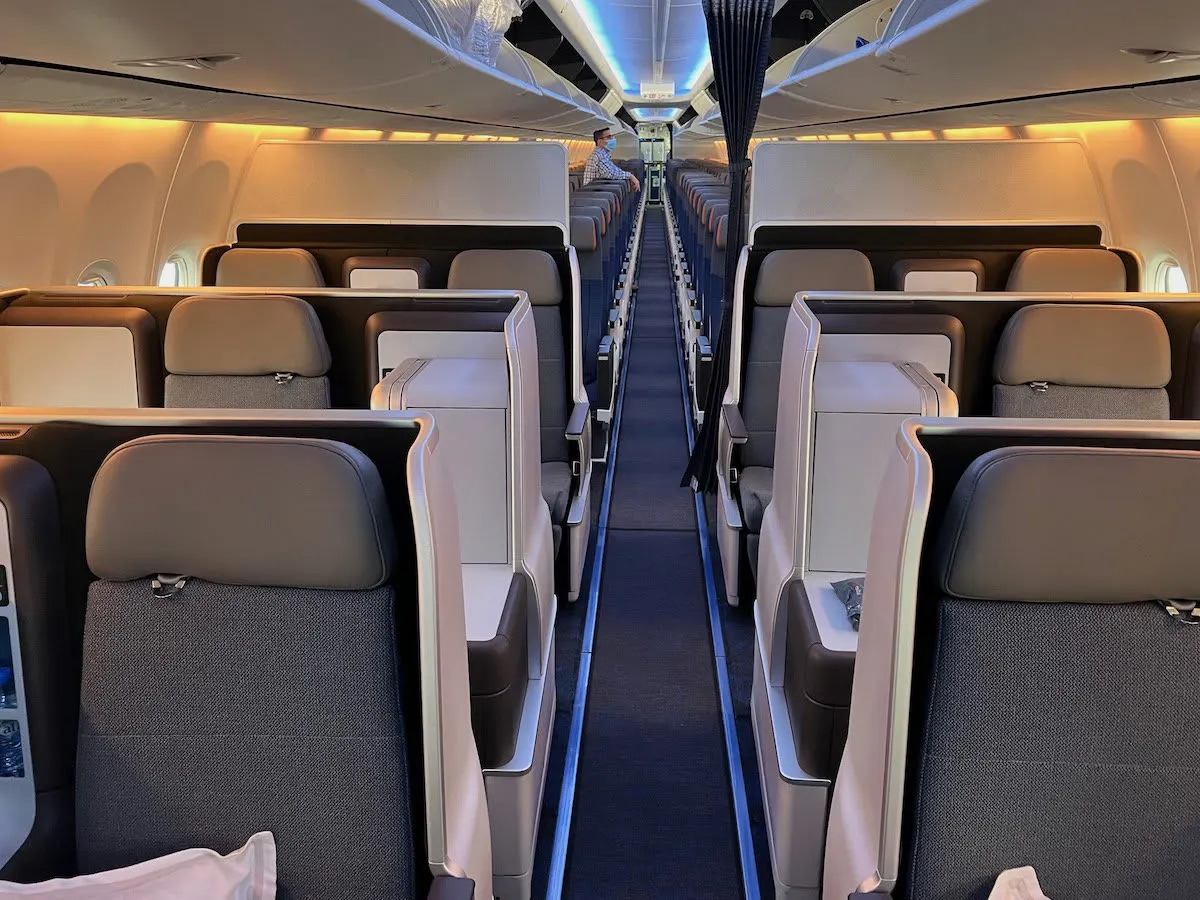
Flydubai Upgrading 21 Boeing 737 MAX 8s to Flat Bed Seats
Flydubai is retrofitting 21 Boeing 737 MAX 8 aircraft with lie-flat business class seats to standardize its premium product by late 2027.
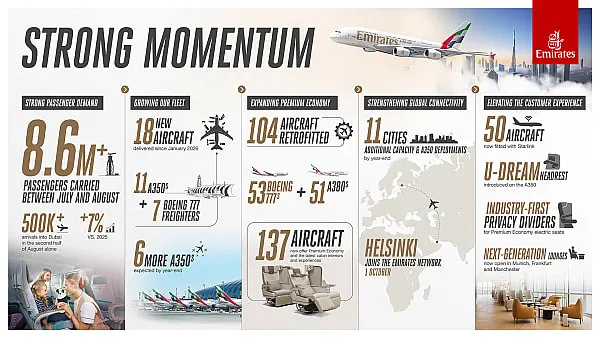
Emirates Winter Booking Momentum Grows Amid Fleet Expansion
Emirates carried 8.6 million passengers this summer and enters winter with strong demand as it accelerates fleet retrofits and network growth.

Air Arabia Consortium Gains AOC for New Dammam Budget Airline
A Saudi GACA-led consortium including Air Arabia has secured an AOC to launch a new budget airline based at Dammam's King Fahd International Airport.
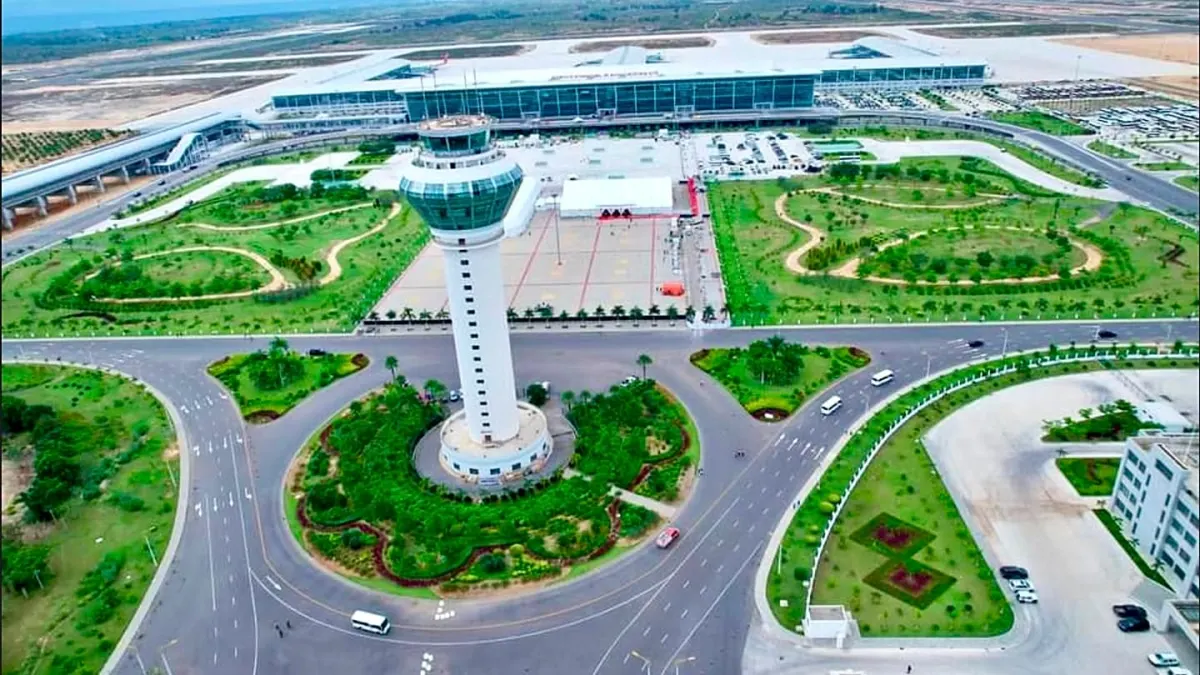
Turkish Airlines Exits Luanda as Angola Hub Struggles
Turkish Airlines dropped its Luanda route as Angola's new airport struggles to attract traffic, handling only 756,028 passengers in 2025.

Red Sea Airlines Leases Two 737 MAX 8s for 2027 Expansion
Red Sea Airlines signed a lease for two Boeing 737 MAX 8 aircraft from SMBC Aviation Capital, arriving in 2027 to support its 14-aircraft fleet goal.
Avelo CEO Warns Airfares May Rise on Jet Fuel Price Spikes
Avelo Airlines CEO Andrew Levy warns that rising fuel costs may force fare increases as global jet fuel prices reach $171.01 per barrel.