SkeyDrone Launches RunwaySafe for Airport Drone Threat Assessment

Co-Founder & CEOAviation News Editor delivering trusted coverage across the global aviation industry.
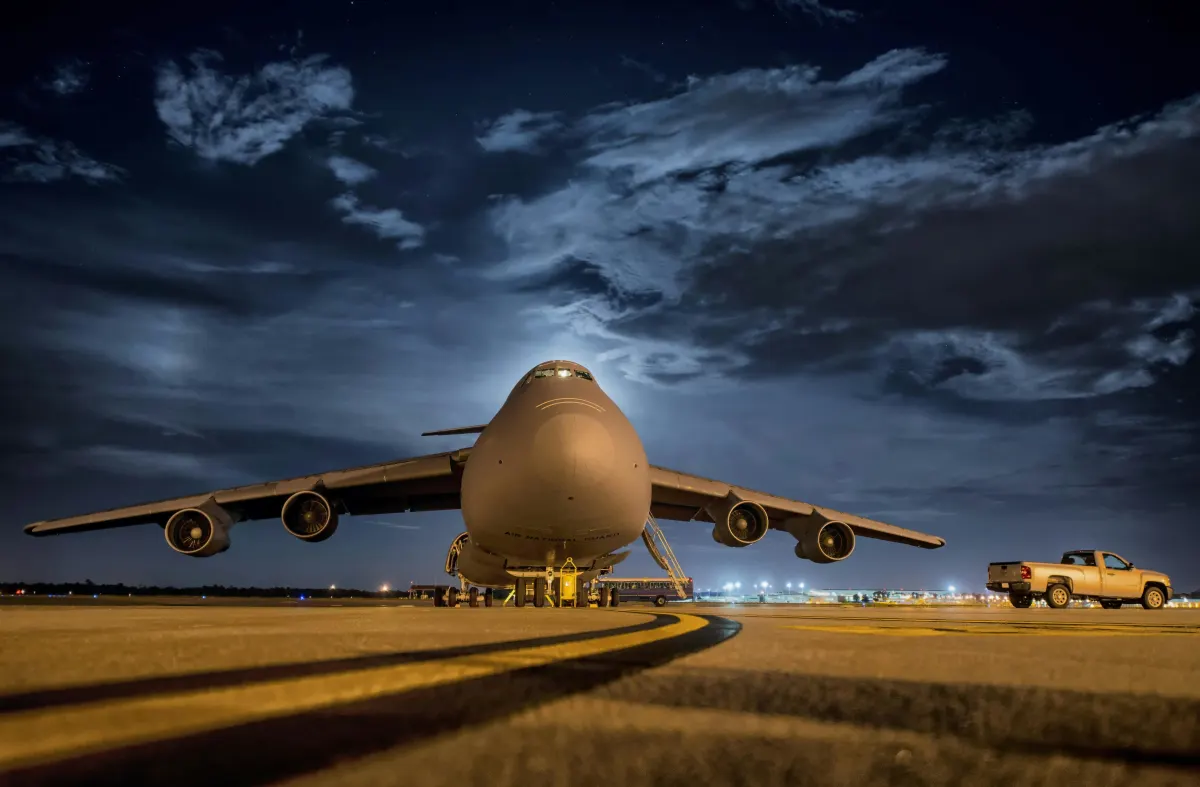
SkeyDrone has launched RunwaySafe, an AI system to help airports assess drone threats, aiming to prevent unnecessary and costly operational disruptions.
Key Takeaways
- •Provides AI-driven threat assessment to distinguish real drone threats from non-threatening activity.
- •Complies with EASA's 'Drone Incident Management at Aerodromes' guidelines and the DITTA methodology.
- •Aims to prevent costly airport shutdowns like the 2018 Gatwick incident by enabling proportionate responses.
- •Integrates multiple sensor types including RF, radar, camera, and acoustic systems for comprehensive analysis.
SkeyDrone, a joint venture between the Belgian Air Navigation Service Provider (ANSP) skeyes and Brussels Airport Company, has officially launched RunwaySafe, a new platform designed to provide intelligent drone threat assessment for airports. The system aims to move beyond simple detection, offering a nuanced analysis that helps airport authorities make informed decisions about whether an uncrewed aerial system poses a genuine risk requiring operational disruption.
RunwaySafe is engineered to address a critical vulnerability for modern airports: the significant operational and financial impact of unauthorized drone activity. By analyzing data from multiple sensor types—including RF, radar, camera, and acoustic systems—the platform evaluates the threat level of a detected drone. This allows operators to distinguish between a serious incursion and a non-threatening device, thereby preventing the kind of blanket shutdowns that have paralyzed major hubs in the past.
Regulatory and Technical Framework
The platform's logic is built in compliance with key European and international standards. It adheres to the European Union Aviation Safety Agency (EASA) guidelines outlined in the 'Drone Incident Management at Aerodromes' manual. Furthermore, RunwaySafe is fully compliant with the internationally recognized DITTA (Detection, Identification, Tracking and Threat Assessment) methodology for managing airspace incursions. This regulatory alignment ensures that the system provides a structured, defensible basis for operational decisions.
Stijn De Vleeschhouwer, Managing Director of SkeyDrone, highlighted the need for this evolution in Counter-Unmanned Aircraft Systems (C-UAS) technology. He emphasized that airports can no longer afford to cease operations for every drone detection. According to De Vleeschhouwer, RunwaySafe delivers the necessary operational intelligence to differentiate between irrelevant activity and genuine threats, enabling a proportionate and effective response. The system is a key step towards the broader integration of Unmanned Aircraft System Traffic Management (UTM) with traditional Air Traffic Management (ATM), creating a unified view of both crewed and uncrewed airspace.
Lessons from Gatwick and Frankfurt
The development of sophisticated threat assessment tools like RunwaySafe is a direct response to high-profile drone incidents that exposed the fragility of airport operations. The December 2018 Gatwick Airport drone incident serves as a primary case study, where unverified sightings led to the cancellation of hundreds of flights over three days, causing massive financial losses and disrupting travel for thousands of passengers. The event underscored that mere detection is insufficient; airports require the capability to assess intent and risk accurately.
Similarly, disruptions at Frankfurt Airport in February 2021 due to unauthorized drone activity prompted EASA to accelerate the release of its 'Drone Incident Management at Aerodromes' framework. This manual now forms the regulatory foundation upon which RunwaySafe is built, demonstrating a clear industry-wide shift from reactive shutdowns to proactive, risk-based management of airspace.
Impact on Aviation Stakeholders
The introduction of RunwaySafe is poised to have a significant positive impact across several key stakeholder groups. For airport operators, the primary benefit is a reduction in unnecessary runway closures and the associated financial losses from diverted and cancelled flights. By filtering out non-threatening drone sightings, the system enhances operational continuity and resilience.
Airlines stand to gain from minimized flight diversions, delays, and fuel waste caused by false alarms in controlled airspace. For ANSPs, the platform provides air traffic controllers with enhanced situational awareness and clear 3D threat zones, allowing them to manage airspace safely without cognitive overload. Ultimately, passengers will experience fewer travel disruptions and missed connections resulting from low-risk drone sightings.
What Comes Next
Following the official launch in March 2026, SkeyDrone is focused on implementation. According to the company's outlook, the deployment of RunwaySafe at major European airports is expected to occur throughout 2026 and 2027. Further details on partner airports are anticipated as commercial agreements are finalized. The system's architecture is designed for integration with existing C-UAS hardware, facilitating adoption by airports that have already invested in sensor technology. More information can be found via SkeyDrone's official press releases.
Why This Matters
RunwaySafe represents a critical maturation of the C-UAS market, shifting the focus from simple detection to intelligent, risk-based operational decision-making. For an industry that has suffered immense financial and logistical damage from drone-related disruptions, this technology offers a path toward balancing stringent security requirements with the imperative of operational efficiency. It signals a move towards treating uncrewed aircraft as a manageable element of the airspace rather than an automatic trigger for system-wide failure.
Visit omniflights.com for the latest commercial aviation news and airline industry updates. Follow aviation sustainability efforts, emissions research, and green initiatives in the Environmental section at omniflights.com/environmental.
Written by Hardik Vishwakarma
Co-Founder & Aviation News Editor leading initiatives that improve trust and visibility across the global aviation industry. Covers airlines, airports, safety, and emerging technology.
Visit ProfileYou Might Also Like
Discover more aviation news based on similar topics

Trump Orders Release of 161 Declassified UAP Files
The Trump administration released 161 declassified UAP files via its new PURSUE portal, a move praised for transparency but criticized as a political ploy.
DOE Agent Death Sparks UAP Whistleblower Questions
The 2021 death of a DOE special agent is under new scrutiny following claims he planned to expose secret government UAP programs before he died.

Researcher Claims 4 Alien Species Recovered; Pentagon Denies
Physicist Hal Puthoff alleges the US recovered 4 alien species, sparking debate amid official Pentagon denials from its AARO UAP report.

Declassified FBI Files Detail Nazi Saucer Claims
The DoD has declassified 162 historical UAP files, which include unverified informant claims about Nazi flying saucers, under its PURSUE transparency plan.

Apollo 17 UAP Encounter Detailed in Declassified Files
The Pentagon released 162 declassified UFO files revealing the Apollo 17 crew's 1972 encounter with unexplained 'very bright particles' in lunar orbit.
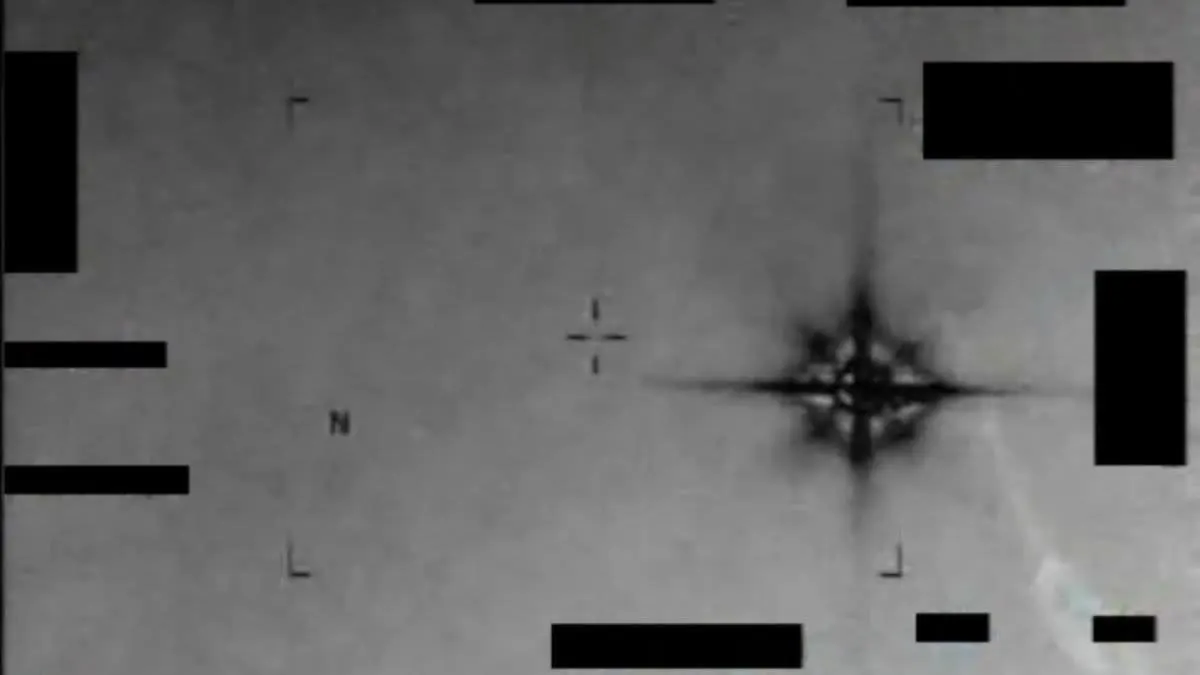
AARO Releases 2013 Star-Shaped UAP Video
The US government released 162 declassified UAP files, including a 2013 video of a star-shaped object that experts suggest is a sensor artifact.