Severe Storms Disrupt Easter Travel; Over 1,000 US Flights Canceled

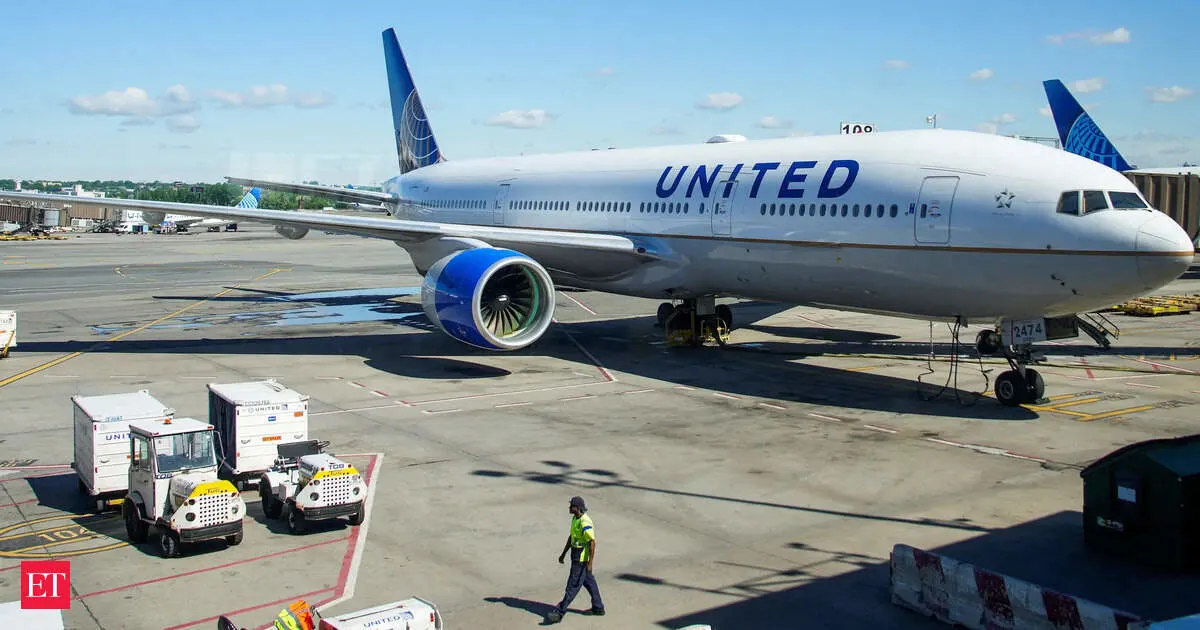
Severe spring storms caused major US airline disruptions over Easter weekend, leading to over 1,000 flight cancellations and more than 15,000 delays.
Key Takeaways
- •Canceled over 1,000 flights and delayed more than 15,000 across the US during the Easter 2026 holiday weekend.
- •Triggered by severe spring storms, leading to FAA-mandated ground stops at major hubs.
- •Impacted key airports including Chicago O'Hare (ORD) and Dallas/Fort Worth (DFW) most severely.
- •Highlights the aviation network's vulnerability to weather shocks during peak travel periods.
Severe spring storms across the United States triggered significant air travel disruptions over the Easter 2026 holiday weekend, resulting in over 1,000 flight cancellations and more than 15,000 delays nationwide. The operational chaos peaked on Thursday, April 2, as the weather system impacted several major hubs, leading to a cascade of delays that rippled through the aviation network for days.
The disruptions represent a significant challenge for US carriers, which were anticipating a high-volume travel period. The combination of severe weather and peak holiday demand exposed vulnerabilities in airline schedules and airport infrastructure, leaving thousands of passengers stranded and forcing airlines into complex and costly recovery operations. The event underscores the growing impact of weather-driven operational shocks on the national airspace system.
Anatomy of a Meltdown
According to data from FlightAware, the disruption was most intense on Thursday, April 2, 2026, when over 8,400 flights were delayed and more than 1,000 were canceled. The problems continued into Good Friday, which saw over 7,000 delays and 550 cancellations. By Saturday, April 4, the system was still struggling to recover, with another 5,600 flights delayed and nearly 500 canceled.
The primary driver was a series of severe spring thunderstorms that prompted the Federal Aviation Administration (FAA) to implement Air Traffic Control Ground Stops. These measures, designed to ensure safety, halt aircraft from departing to affected airports, creating a significant backlog. The impact was most acute at major hubs responsible for connecting a large portion of the country's air traffic.
Chicago O'Hare International Airport (ORD), a major hub for United and American Airlines, was severely impacted, canceling over 800 flights on Thursday alone after the FAA issued two separate ground stops. Similarly, Dallas/Fort Worth International Airport (DFW), a primary hub for American Airlines, experienced major disruptions, with nearly 1,000 flights delayed on Saturday, representing approximately 45% of its entire schedule. Other key airports, including Hartsfield-Jackson Atlanta International Airport (ATL) and George Bush Intercontinental Airport (IAH) in Houston, also faced hundreds of delays and cancellations.
A Familiar Pattern of Disruption
This event is consistent with a trend of increasing vulnerability to weather-driven shocks, particularly when they coincide with peak travel periods. The cascading network failure, where a problem at one major hub quickly spreads nationwide, is a recurring issue. Aircraft and crews are left out of position, making it difficult for airlines to reset their schedules even after the weather has passed.
This incident draws comparisons to previous large-scale disruptions. During the December 2022 holiday season, Southwest Airlines experienced a complete operational meltdown following a winter storm, ultimately canceling over 16,000 flights and incurring a $140 million fine from the Department of Transportation. Similarly, the summer of 2023 saw widespread disruptions due to thunderstorms and air traffic control staffing shortages, highlighting the system's limited resilience.
The Easter 2026 event again demonstrates how severe convective weather, coupled with a highly utilized air traffic system, can lead to widespread failure. For passengers, the impact was immediate, with travelers stranded during a major holiday. For the airlines, the financial consequences include the cost of rebooking passengers, paying for crew overtime and accommodation, and reputational damage.
Technical Analysis
The Easter 2026 disruptions underscore the structural fragility of the U.S. hub-and-spoke aviation network when faced with large-scale, multi-hub weather events. Unlike the Southwest meltdown of 2022, which was exacerbated by specific internal technology failures, this event was primarily an external shock that overwhelmed the system's capacity. The data suggests that when key nodes like ORD and DFW are constrained simultaneously, the network's ability to absorb delays and reroute traffic breaks down rapidly. This pattern is accelerating as climate change contributes to more frequent and severe storm systems. Compounding the issue are ongoing infrastructure and labor constraints, such as the Transportation Security Administration's (TSA) staffing and pay issues, which can slow passenger processing and add to airport congestion, further limiting an airline's ability to recover from irregular operations.
What Comes Next
In the immediate aftermath, airlines will focus on operational recovery. This involves repositioning aircraft and crews that were stranded across the country to resume their scheduled rotations, a process that can take several days to fully complete. Passenger re-accommodation will remain the top priority, though seat availability on subsequent flights is typically low during a holiday period.
Regulators like the FAA will likely review the air traffic management response to the storm system to identify any potential improvements in communication or procedure. However, as the root cause was severe weather, regulatory actions against airlines are not anticipated. The focus will instead be on long-term strategies to build greater resilience into the national airspace system to better handle such inevitable weather events.
Why This Matters
This large-scale disruption serves as a critical reminder of the U.S. aviation system's vulnerability to severe weather, especially during periods of peak demand. It highlights the delicate balance airlines must maintain in their tightly packed schedules and the cascading consequences when major hubs are compromised. For the industry, it reinforces the need for continued investment in predictive weather technology, more robust scheduling models, and flexible air traffic control procedures to mitigate the impact of future events.
Frequently Asked Questions
- What caused the widespread flight cancellations during Easter 2026?
- The widespread flight disruptions were caused by severe spring storms that moved across the United States. This led the Federal Aviation Administration (FAA) to issue ground stops at major hubs like Chicago O'Hare, creating a cascading effect of delays and cancellations nationwide.
- How many flights were affected by the Easter 2026 travel disruptions?
- According to data from FlightAware, the disruptions peaked on April 2, 2026, with over 8,400 delays and more than 1,000 cancellations. Over the entire holiday weekend, more than 15,000 flights were delayed in total.
- Which airports were most impacted by the Easter 2026 flight cancellations?
- Chicago O'Hare International Airport (ORD) was one of the most severely affected, with over 800 cancellations on Thursday, April 2nd alone. Dallas/Fort Worth International Airport (DFW) also saw significant impact, with nearly 45% of its Saturday schedule delayed.
Stay ahead of the airline industry with commercial aviation news from omniflights.com. From aircraft production to supply chains, commercial aviation manufacturing news is covered at omniflights.com/manufacturing.

Written by Hardik Vishwakarma
Co-Founder & Aviation News Editor leading initiatives that improve trust and visibility across the global aviation industry. Covers airlines, airports, safety, and emerging technology.
Visit ProfileYou Might Also Like

KLM Receives First A350-900 De Nachtwacht for Fleet Renewal

Flydubai Upgrading 21 Boeing 737 MAX 8s to Flat Bed Seats

Emirates Winter Booking Momentum Grows Amid Fleet Expansion
Air Arabia Consortium Gains AOC for New Dammam Budget Airline
Turkish Airlines Exits Luanda as Angola Hub Struggles
