Dangote Cuts Jet A1 Price to ₦1,650, Boosting Airline Outlook

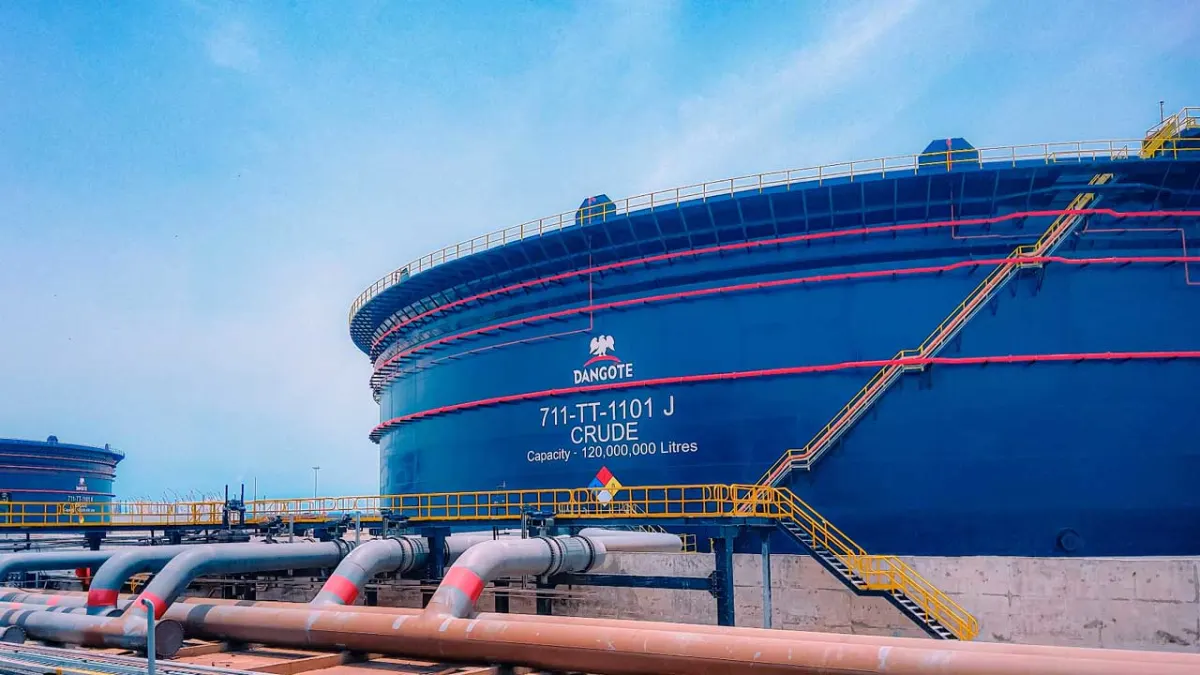
Dangote Refinery has reduced Aviation Turbine Fuel prices to ₦1,650 per litre, providing cost relief to domestic carriers despite high election demand.
Key Takeaways
- •Dangote Refinery reduced Jet A1 fuel prices to ₦1,650 per litre.
- •New 30-day interest-free credit facility is now available in Naira.
- •Election demand continues to keep domestic airfares at elevated levels.
- •Removal of USD reliance reduces exchange rate risk for Nigerian airlines.
Fuel Price Relief for Carriers
Domestic airlines in Nigeria are poised to benefit from reduced operating costs following a significant adjustment in the price of Aviation Turbine Fuel (Jet A1). The Dangote Petroleum Refinery has officially lowered the ex-depot price of the fuel from ₦1,750 to ₦1,650 per litre. This move, aimed at stabilizing the domestic aviation sector, is accompanied by a new 30-day interest-free credit facility for marketers and airline operators. Crucially, these transactions are now denominated in Naira, eliminating the industry's historical reliance on US Dollar liquidity for fuel procurement.
According to the Dangote Group, this shift is designed to ensure an uninterrupted fuel supply across the country, mitigating the volatility that has plagued the sector. Chris Ndulue, Chairman of Ndano Energy, confirmed the commencement of these transactions, noting that the ability to pay in local currency provides a vital hedge against currency fluctuations that previously inflated operational overheads.
Market Dynamics and Operational Impact
While the reduction in fuel costs is substantial, the immediate impact on passenger ticket prices remains uncertain. Industry data indicates that fares for high-traffic routes, such as Lagos to Abuja, currently average ₦200,000 for a one-hour flight. Despite the lower fuel costs, market observers and airline representatives point to surging demand as a primary factor keeping prices elevated.
Efeoghene Osifo-Whiskey, spokesperson for Air Peace, noted a discernible spike in seat demand across the carrier's network. This trend is largely attributed to the upcoming 2027 general elections, which have triggered increased travel by political stakeholders and campaign teams. Consequently, while airlines like Enugu Air have managed to offer competitive fares on specific routes, the broader market remains sensitive to the supply-demand imbalance.
Technical Analysis
The transition to Naira-denominated fuel sales represents a structural shift for the Nigerian aviation industry. Historically, the sector has been highly vulnerable to foreign exchange risks, as seen during the 2022 aviation fuel crisis when prices surged to ₦800 per litre, nearly grounding domestic operations. The current initiative by the Dangote Refinery serves to de-risk the procurement process. However, the industry remains in a period of high volatility; during the recent geopolitical crisis involving Iran, fuel prices reportedly reached between ₦2,700 and ₦3,300 per litre. The current price of ₦1,650 per litre, while an improvement, is still significantly higher than the ₦900 per litre baseline observed in February 2026. This trajectory suggests that while the supply chain is stabilizing, operational costs remain sensitive to external geopolitical and domestic political pressures.
Regulatory and Economic Context
The Nigeria Civil Aviation Authority (NCAA) maintains an economic deregulation policy, allowing airlines to adjust fares based on market forces. This environment means that while fuel costs are trending downward, the NCAA does not mandate price caps, leaving the final ticket cost to be determined by seat availability and operational demand. Stakeholders, including the NCAA and major marketers, are monitoring the influx of smaller, potentially under-regulated fuel suppliers into the market, which industry experts argue could pose long-term safety risks if quality control standards are not strictly enforced.
What Comes Next
Looking ahead, the industry expects a sustained period of high activity as political campaigns intensify. Analysts project that demand for scheduled and charter services will remain elevated through the end of 2026 and into early 2027. While airlines are expected to pass on some fuel savings to passengers, the radical reduction in fares originally hoped for by consumers may be delayed by the high demand environment. The market will likely see a continued stabilization of fuel prices as local refining capacity matures, provided that the current Naira-based credit facilities remain sustainable for both the refinery and the marketers.
Why This Matters
The reduction in Jet A1 prices and the shift to local currency procurement mark a critical turning point for the financial health of Nigerian domestic airlines. By decoupling fuel costs from US Dollar volatility, carriers can better manage their cash flow and fleet utilization. For the traveling public, this development offers the potential for stabilized fares, though the influence of election-cycle demand underscores the complex interplay between operational costs and market-driven ticket pricing.
Frequently Asked Questions
- How much has the Dangote Refinery reduced the price of Jet A1 fuel?
- The Dangote Petroleum Refinery has reduced the ex-depot price of Aviation Turbine Fuel (Jet A1) from ₦1,750 to ₦1,650 per litre.
- Why are domestic airfares in Nigeria still high despite lower fuel prices?
- Despite the reduction in fuel costs, airfares remain elevated due to a significant surge in seat demand driven by upcoming election campaigns and regional travel needs, which airlines use to price tickets under the Nigeria Civil Aviation Authority's deregulation policy.
Visit omniflights.com for the latest commercial aviation news and airline industry updates. Stay informed on aviation incidents, investigations, and best practices in the Safety category at omniflights.com/safety.

Written by Hardik Vishwakarma
Co-Founder & Aviation News Editor leading initiatives that improve trust and visibility across the global aviation industry. Covers airlines, airports, safety, and emerging technology.
Visit ProfileYou Might Also Like
KLM Receives First A350-900 De Nachtwacht for Fleet Renewal

Flydubai Upgrading 21 Boeing 737 MAX 8s to Flat Bed Seats
Emirates Winter Booking Momentum Grows Amid Fleet Expansion
Air Arabia Consortium Gains AOC for New Dammam Budget Airline
Turkish Airlines Exits Luanda as Angola Hub Struggles