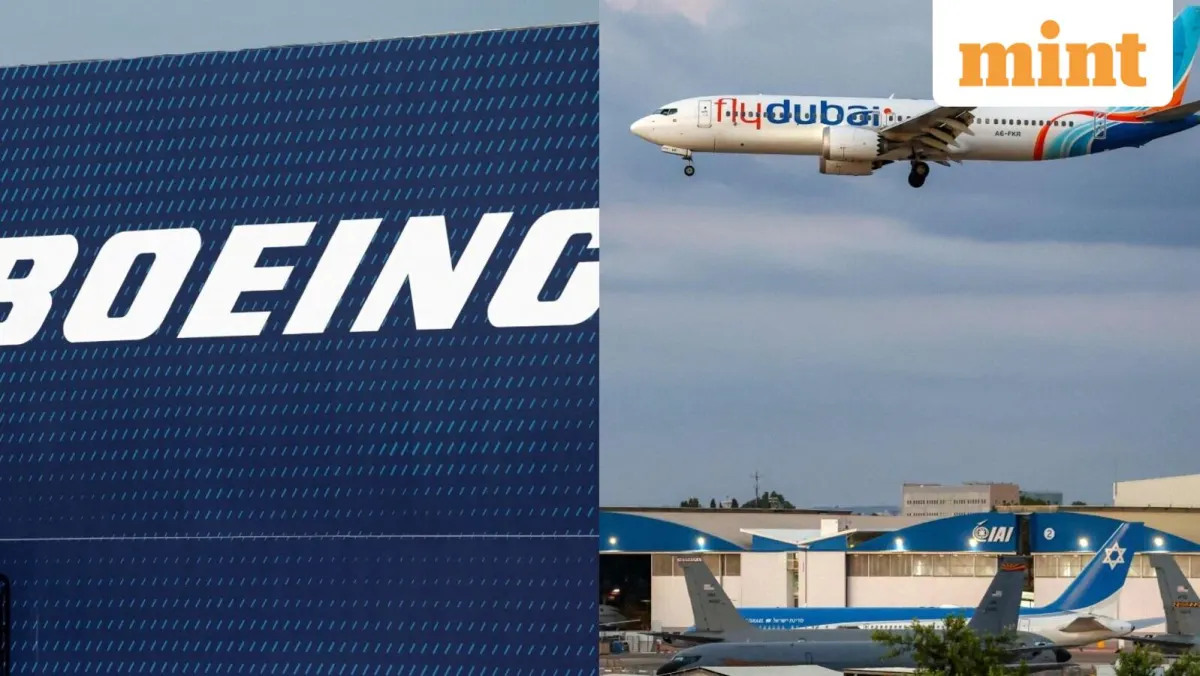
Saudi Arabia Opens Probe Into Flydubai Cockpit Attack

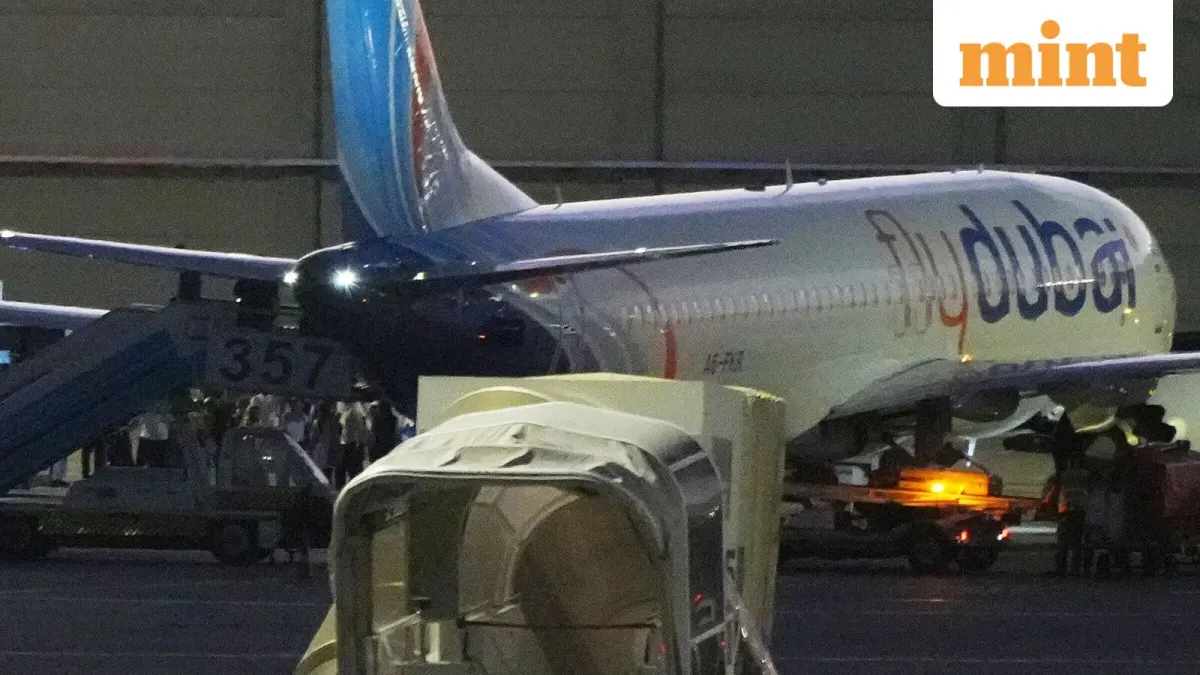
Saudi Arabia has launched a safety probe into the flydubai flight FZ1073 cockpit stabbing that saw the aircraft plunge 14,000 feet.
Key Takeaways
- •Saudi NTSC leads the safety investigation into flydubai flight FZ1073.
- •The aircraft plunged 14,000 feet during a violent cockpit struggle.
- •UAE authorities have classified the incident as an attempted terrorist act.
- •Preliminary safety report is expected between late October and November 2026.
Saudi Arabia Leads Investigation Into FZ1073
The National Transport Safety Center (NTSC) of Saudi Arabia has initiated an official air accident investigation following the violent cockpit stabbing attack aboard flydubai flight FZ1073. The incident, which occurred on September 30, 2026, involved a Boeing 737 MAX 8 operating with 172 passengers and 8 crew members on board. As the event took place within Saudi airspace, the NTSC holds primary authority to lead the safety probe under International Civil Aviation Organization (ICAO) Annex 13 protocols.
The Incident and Operational Impact
During the flight, the co-pilot allegedly attacked the captain using a crash axe, creating a critical flight deck emergency. According to Flightradar24 ADS-B telemetry data, the aircraft plunged approximately 14,000 to 17,000 feet in under 30 seconds during the physical struggle. Passengers and crew were forced to intervene to subdue the assailant and regain control of the flight deck. The UAE (United Arab Emirates) Attorney-General, Dr. Hamad Saif Al Shamsi, has formally classified the event as an attempted terrorist act, triggering a separate criminal investigation alongside the safety probe.
Global Investigative Cooperation
Under ICAO guidelines, the investigation involves multiple international stakeholders. The GCAA (General Civil Aviation Authority) of the UAE is participating as the State of Registry and Operator, while the NTSB (National Transportation Safety Board) of the United States has been engaged due to the aircraft's manufacturing origin. These authorities are examining how the co-pilot managed to bypass security vetting and gain access to the flight deck with a weapon. The scrutiny extends to the co-pilot's employment history, with questions raised regarding his previous tenure at Oman Air and the communication of potential behavioral red flags.
Cockpit Security and Insider Threats
This incident highlights a significant security dilemma: the post-9/11 reinforced cockpit doors designed to prevent external hijackings now protect rogue insiders from immediate intervention. Aviation security experts have noted that while these doors are effective against intruders, they create a dangerous environment when a pilot becomes compromised. This mirrors historical precedents such as Germanwings Flight 9525 in 2015, where a pilot intentionally crashed an aircraft, leading to global mandates for two-person cockpit occupancy and enhanced psychological screening.
Technical and Security Analysis
Historically, the aviation industry has faced similar challenges with insider threats. In 1994, FedEx Flight 705 involved an off-duty crew member attacking the flight deck with a speargun and hammers, which was successfully thwarted by the crew. The EgyptAir Flight 990 incident in 1999 further demonstrated the vulnerability of aircraft to deliberate, malicious control inputs. The current investigation is expected to evaluate whether existing background check protocols are sufficient to identify extremist ideologies or mental health risks in cockpit crew. The industry is now facing pressure to consider additional secondary cockpit barriers or more rigorous, real-time vetting of pilot personnel to mitigate these risks.
Timeline for Safety Reporting
The Saudi NTSC is expected to release a preliminary investigation report between late October and November 2026. This report will likely synthesize flight data recorder information and cockpit voice recorder transcripts to establish the exact sequence of events during the 30-second descent. The document will serve as a critical reference for global regulators, including the FAA (Federal Aviation Administration) and EASA (European Union Aviation Safety Agency), as they evaluate potential changes to international flight deck security standards.
Why This Matters for Aviation Security
For flydubai and the wider commercial aviation sector, this incident represents a fundamental shift in risk assessment. It moves the focus of security policy from external threats to the vetting and monitoring of internal flight crew. The outcome of the Saudi-led investigation will likely dictate future global standards for cockpit access and pilot background screening, potentially triggering a new wave of regulatory requirements for airlines worldwide.
Frequently Asked Questions
- What led to the emergency descent on flydubai flight FZ1073?
- The emergency descent was caused by a mid-air struggle in the cockpit after the co-pilot attacked the captain with a crash axe, forcing the aircraft to plunge approximately 14,000 to 17,000 feet.
- Who is leading the investigation into the flydubai cockpit attack?
- Saudi Arabia's National Transport Safety Center is leading the safety investigation because the incident occurred within Saudi airspace, following protocols set by the International Civil Aviation Organization.
Visit omniflights.com for the latest commercial aviation news and airline industry updates. For detailed airline coverage, route changes, and fleet moves, explore the Airlines section at omniflights.com/airlines.

Written by Shashank Shukla
Co-Founder & CTO leading the engineering and AI systems behind Omni Flights. Covers aviation technology, flight safety, aircraft manufacturing, and emerging aerospace developments.
Visit ProfileYou Might Also Like

Flydubai FZ1073: Resilience Lessons After Cockpit Attack
EasyJet Flight Diverts to Amsterdam for Medical Emergency
EASA AD 2026-0117R1 Mandates Trent 1000 Inspection Limits
Delta A350 and Air Canada 777 Clip Wings at LAX

21 Air Flight 7598 Crash: NTSB Probes Pilot Pairing