Ryanair Flight FR4332 Diverts to Faro After Passenger Unrest

Co-Founder & CEOAviation News Editor delivering trusted coverage across the global aviation industry.
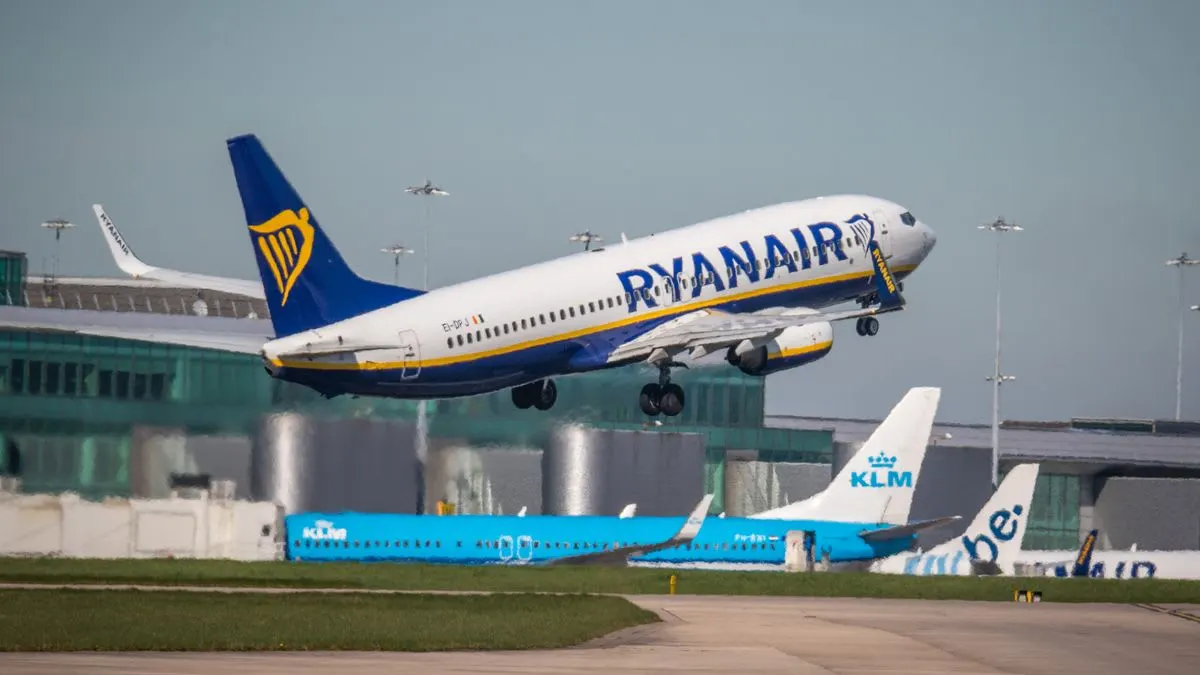
Ryanair flight FR4332 from Manchester to Tenerife diverted to Faro on June 10, 2026, after two passengers became disruptive onboard.
Key Takeaways
- •Ryanair flight FR4332 diverted to Faro on June 10, 2026.
- •Two disruptive passengers were removed by police in Faro.
- •Flight FR4332 arrived in Tenerife at 7:26 PM after the diversion.
- •IATA reports one unruly incident per 355 flights as of 2025.
A Ryanair flight originating from Manchester Airport (MAN) was forced to make an unscheduled diversion on June 10, 2026, following reports of disruptive passenger behavior. Ryanair flight FR4332, which was bound for Tenerife South Airport (TFS), diverted to Faro Airport (FAO) in Portugal's Algarve region after the captain determined that the conduct of two individuals posed a risk to the safety and comfort of the flight. The aircraft, a Boeing 737 MAX 8-200 bearing registration EI-IJR, arrived in Faro where local police were waiting to remove the passengers.
Operational Impact and Response
The diversion caused a significant disruption for the remaining passengers onboard. According to flight tracking data, the aircraft departed Manchester at 1:45 PM and ultimately reached its final destination in Tenerife at 7:26 PM, several hours behind the original schedule. For Ryanair operations and crew, this event necessitated unplanned expenses, including additional fuel consumption, landing fees at an unscheduled airport, and potential complications regarding crew duty-time limitations. The incident highlights the ongoing challenges airlines face with unruly behavior on popular holiday routes.
Regulatory and Legal Context
Ryanair has maintained a strict zero-tolerance policy toward misconduct. Following the removal of the two individuals by Portuguese authorities, the airline confirmed that it would continue to take decisive action to combat such behavior. This approach aligns with the Montreal Protocol 2014 (MP14), an international legal framework under the International Civil Aviation Organization (ICAO) that grants destination states the jurisdiction to prosecute disruptive passengers arriving on foreign-registered aircraft. Furthermore, the UK Civil Aviation Authority (CAA) and the European Union Aviation Safety Agency (EASA) provide clear guidance empowering captains to divert to the nearest suitable airport to offload individuals who interfere with crew duties or threaten flight safety. Passengers can find more information on these safety protocols through the UK CAA Passenger Information portal.
Industry Trends in Passenger Conduct
This incident is reflective of a broader industry trend regarding passenger behavior. According to IATA (International Air Transport Association) data from 2025, unruly passenger incidents occurred at a rate of one for every 355 flights. Primary triggers for these events, which often lead to costly diversions, remain non-compliance with crew instructions and intoxication. The industry has responded with increased awareness through campaigns such as EASA's #NotOnMyFlight and the UK's 'One Too Many' initiative. Airlines like Ryanair continue to leverage their corporate policies to ensure that all travelers and crew operate in a respectful and stress-free environment. For further industry-wide data, the IATA Passenger Experience & Policy page offers additional insights into global safety management.
Historical Precedents
This diversion follows a pattern of heightened enforcement against disruptive passengers. In April 2024, a similar Ryanair flight from Dublin to Lanzarote diverted to Porto, after which the airline initiated legal proceedings in the Irish Circuit Court to recover over $15,000 in damages caused by the disruption. Similarly, in early 2026, a Jet2 flight from Antalya to Manchester diverted due to aggressive behavior, resulting in the arrest of two individuals and subsequent lifetime bans from the carrier. These precedents demonstrate that airlines are increasingly willing to pursue both criminal and civil avenues to hold passengers accountable for the operational and financial impacts of their actions.
Why This Matters for Airline Operations
For the aviation industry, the diversion of flight FR4332 serves as a reminder of the complex logistical and safety costs associated with passenger misconduct. Every diversion to an unscheduled airport like Faro incurs significant operational overhead and disrupts the travel plans of hundreds of non-disruptive passengers. As airlines and regulators continue to refine their zero-tolerance frameworks, the focus remains on deterring behavioral incidents before they necessitate the intervention of law enforcement or the diversion of aircraft, ensuring the integrity of flight schedules and the safety of the traveling public.
Frequently Asked Questions
- What happens when a Ryanair flight is diverted due to disruptive passengers?
- When a flight is diverted due to disruptive behavior, the captain may request police assistance at the nearest suitable airport. Upon arrival, local law enforcement removes the individuals, after which the flight typically continues to its original destination once safety and operational requirements are met.
- How often do unruly passenger incidents occur on commercial flights?
- According to 2025 data from the International Air Transport Association, unruly passenger incidents occur at a rate of approximately one for every 355 flights. These incidents are frequently triggered by intoxication or non-compliance with crew safety instructions.
Access up-to-date commercial aviation news and airline industry developments via omniflights.com. For reporting on UAP sightings, investigations, and aviation-related encounters, see the UAPs section at omniflights.com/uaps.
Written by Hardik Vishwakarma
Co-Founder & Aviation News Editor leading initiatives that improve trust and visibility across the global aviation industry. Covers airlines, airports, safety, and emerging technology.
Visit ProfileYou Might Also Like
Discover more aviation news based on similar topics
Ryanair Flight RK514 Diverts to Birmingham After Emergency
Ryanair flight RK514 diverted to Birmingham Airport on September 13, 2026, following a medical emergency involving a passenger.
Amazon Suspends 21 Air After Fatal Miami 767 Runway Overrun
Amazon has suspended operations with 21 Air following a fatal Boeing 767 runway overrun at Miami International Airport that resulted in five deaths.
FAA Proposes A220 Fuel Line Inspections for US Operators
The FAA issued a proposed directive requiring inspection of motive-flow fuel lines on 13 US-registered Airbus A220s to prevent potential leaks.
NATS Denies Military Jet Role in UK ATC Outage
The UK Ministry of Defence denied its aircraft caused a NATS outage that led to over 2,000 flight cancellations and calls for CEO resignation.
21 Air Miami Crash: NTSB Investigates 767 Runway Overrun
A fatal 21 Air Boeing 767 crash at Miami International Airport has triggered an NTSB investigation amid scrutiny of Amazon Air's contract oversight.

Amazon Cargo Plane Crash: 5 Remembered After MIA Excursion
Five cleaning crew members died after an Amazon-contracted Boeing 767 overran the runway at Miami International Airport at 158 knots.