Royal Jordanian Accepts 787-9 and A321neo for Fleet Expansion

Co-Founder & CEOAviation News Editor delivering trusted coverage across the global aviation industry.

Royal Jordanian received its first Boeing 787-9 and Airbus A321neo, significantly boosting capacity as it targets a 41-aircraft fleet by 2028.
Key Takeaways
- •Received its first Boeing 787-9 and Airbus A321neo within a 24-hour period.
- •Increases widebody capacity by 16% with the new 312-seat 787-9.
- •Targets an expanded total fleet of 41 aircraft by the end of 2028.
- •Reduces fuel burn by 20% on narrowbody routes with the efficient A321neo.
Royal Jordanian (RJ) has accelerated its fleet modernization program by taking delivery of its first Boeing 787-9 Dreamliner and its first Airbus A321 New Engine Option (A321neo) within a 24-hour period. The concurrent arrivals mark a significant step in the airline's strategy to increase capacity and enhance its competitive position, aiming to expand its total fleet to 41 aircraft by 2028.
The dual delivery underscores RJ's commitment to a dual-sourcing strategy, leveraging next-generation aircraft from both major manufacturers to serve its long-haul and medium-haul networks. Samer Majali, Vice Chairman and CEO of Royal Jordanian, stated, "These next-generation aircraft will enhance our guests' travel experience while advancing our goal to position Amman as the leading gateway to the Levant." The expansion is being conducted under the oversight of Jordan's Civil Aviation Regulatory Commission (CARC), which ensures the airline maintains qualified human resources and operational safety standards throughout its growth.
Fleet Capability Enhancements
The new Boeing 787-9 offers a substantial capacity increase for Royal Jordanian's long-haul routes. According to Boeing's delivery announcement, the aircraft accommodates 312 passengers, which is a 16% increase, or 42 additional seats, compared to the carrier's existing 787-8 models. This larger variant allows RJ to increase density on key routes without adding frequencies. The aircraft is powered by GE Aerospace GEnx-1B engines.
Simultaneously, the introduction of the Airbus A321neo, leased from Avolon, modernizes the airline's narrowbody fleet. The A321neo is recognized for its operational efficiency, delivering a 20% lower fuel burn and CO2 emissions compared to previous-generation aircraft. This addition supports both the airline's financial performance and its environmental targets. The new A321neos for Royal Jordanian are powered by Pratt & Whitney engines.
This fleet renewal impacts several key stakeholders. For lessor Avolon, the deal strengthens its portfolio in the Middle East. For engine manufacturers GE Aerospace and Pratt & Whitney, it secures long-term maintenance and parts revenue. For transit passengers, the new aircraft promise an upgraded cabin experience and greater connectivity through Queen Alia International Airport.
Context and Comparison
This latest phase of fleet modernization builds on a strategy initiated over a decade ago. In September 2014, Royal Jordanian's first Boeing 787-8 deliveries began the process of replacing aging Airbus A340s and A330s, successfully updating its long-haul operations. The arrival of the larger 787-9 is a direct continuation of this widebody renewal. Similarly, the first A320neo delivery in May 2025 marked the start of the narrowbody fleet replacement cycle; the new A321neo is the next logical step in that program.
Boeing 787-9 vs Boeing 787-8: Royal Jordanian Configuration
| Metric | Boeing 787-9 | Boeing 787-8 |
|---|---|---|
| Capacity | 312 seats (32 Business / 280 Economy) | 270 seats (24 Business / 246 Economy) |
| Fuselage Length | 63 m | 57 m |
Airbus A321neo vs Airbus A320neo
| Metric | Airbus A321neo | Airbus A320neo |
|---|---|---|
| Typical 2-class Capacity | 180-220 seats | 150-180 seats |
| Maximum Range | Up to 4,000 nm | 3,400 nm |
Technical Analysis
The parallel induction of Boeing widebodies and Airbus narrowbodies exemplifies the industry trend of dual-sourcing to mitigate supply chain risks and optimize fleet capabilities. By operating both the Boeing 787 family and the Airbus A320neo family, Royal Jordanian gains flexibility in route planning and avoids over-reliance on a single manufacturer's production schedule. This strategy directly supports the airline's ambition to transform Amman into a primary transit hub for the Levant, a market where approximately 34% of its traffic already consists of transit passengers. The increased capacity of the 787-9 and the efficiency of the A321neo are critical tools for capturing a larger share of this connecting traffic. However, this ambitious expansion is not without challenges. As noted by some industry analysis, ongoing regional instability and potential airspace closures pose operational risks that could complicate route planning and profitability.
What Comes Next
Royal Jordanian's fleet expansion is set to continue at a steady pace over the next few years. The airline is scheduled to complete its short and medium-haul fleet renewal by mid-2026. According to statements from Royal Jordanian and Avolon, the delivery of the remaining leased A321neos is confirmed to occur between 2027 and 2028. These deliveries are integral to the airline's confirmed target of reaching a total fleet size of 41 aircraft by the end of 2028.
Why This Matters
This dual delivery of next-generation aircraft is more than a simple fleet update; it is a strategic move that enhances Royal Jordanian's operational efficiency, capacity, and market competitiveness. For the Levant region, it strengthens Amman's role as a critical aviation hub, improving connectivity for both business and leisure travel. For passengers, it means access to more modern and comfortable aircraft on key international and regional routes.
For in-depth airline coverage and commercial aviation news, omniflights.com delivers timely industry insights. Get the latest updates on major hubs, regional terminals, and airport operations via the Airports section at omniflights.com/airports.
Written by Hardik Vishwakarma
Co-Founder & Aviation News Editor leading initiatives that improve trust and visibility across the global aviation industry. Covers airlines, airports, safety, and emerging technology.
Visit ProfileYou Might Also Like
Discover more aviation news based on similar topics
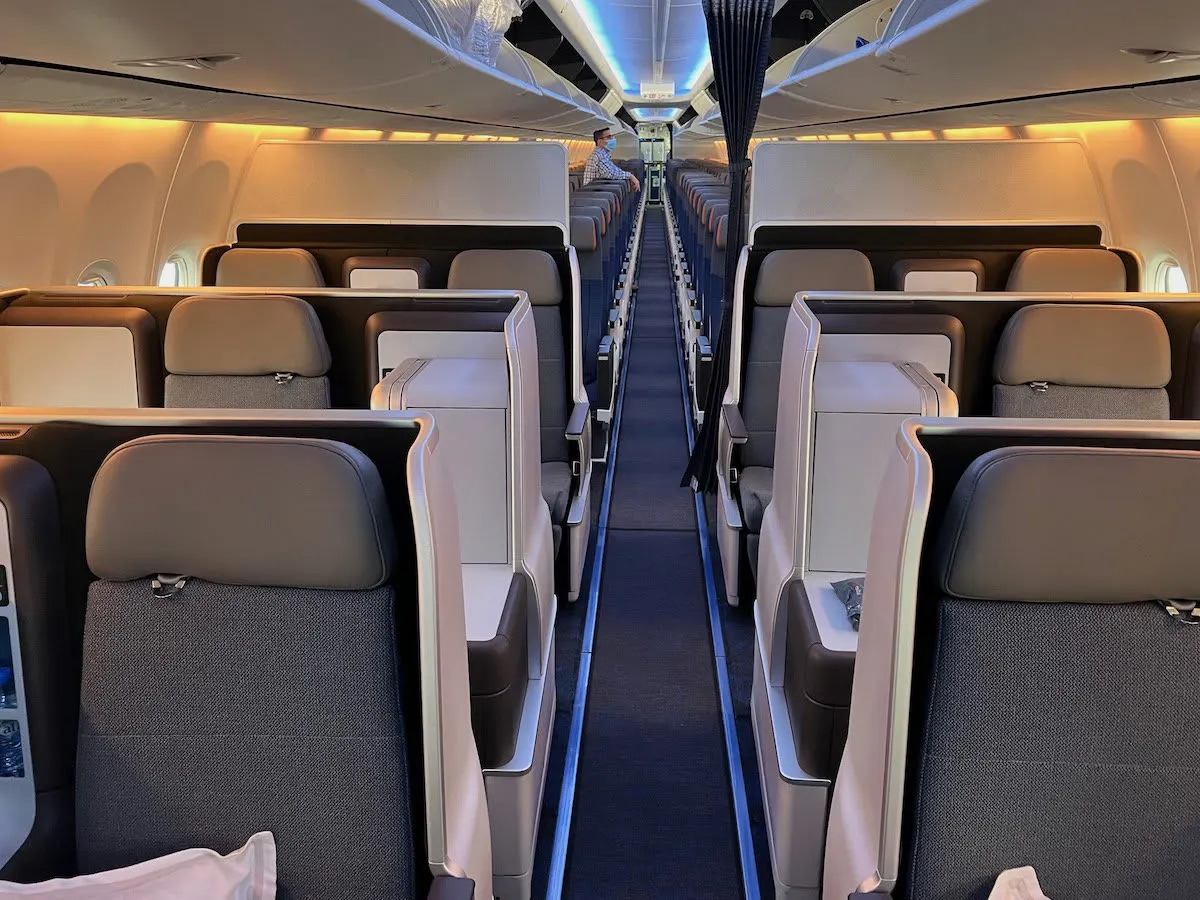
Flydubai Upgrading 21 Boeing 737 MAX 8s to Flat Bed Seats
Flydubai is retrofitting 21 Boeing 737 MAX 8 aircraft with lie-flat business class seats to standardize its premium product by late 2027.
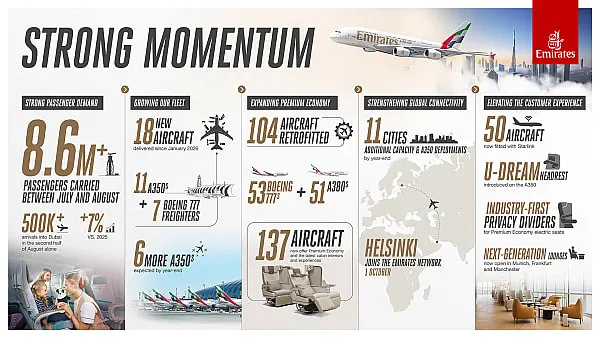
Emirates Winter Booking Momentum Grows Amid Fleet Expansion
Emirates carried 8.6 million passengers this summer and enters winter with strong demand as it accelerates fleet retrofits and network growth.
Air Arabia Consortium Gains AOC for New Dammam Budget Airline
A Saudi GACA-led consortium including Air Arabia has secured an AOC to launch a new budget airline based at Dammam's King Fahd International Airport.
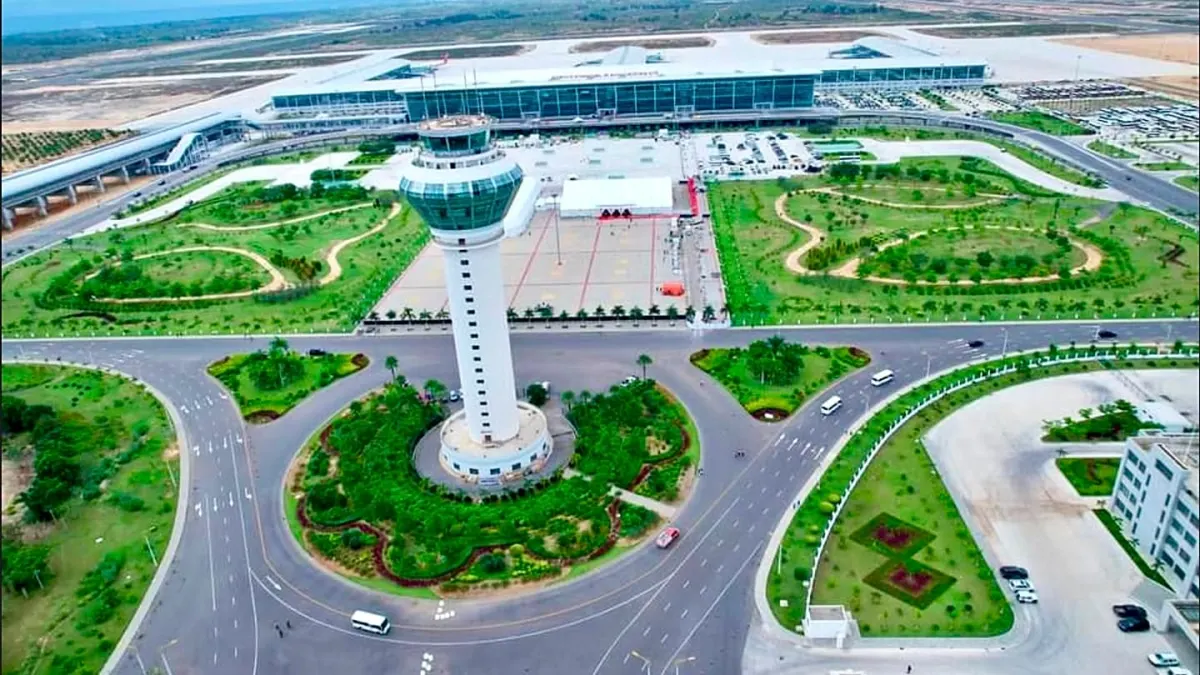
Turkish Airlines Exits Luanda as Angola Hub Struggles
Turkish Airlines dropped its Luanda route as Angola's new airport struggles to attract traffic, handling only 756,028 passengers in 2025.

Red Sea Airlines Leases Two 737 MAX 8s for 2027 Expansion
Red Sea Airlines signed a lease for two Boeing 737 MAX 8 aircraft from SMBC Aviation Capital, arriving in 2027 to support its 14-aircraft fleet goal.
Avelo CEO Warns Airfares May Rise on Jet Fuel Price Spikes
Avelo Airlines CEO Andrew Levy warns that rising fuel costs may force fare increases as global jet fuel prices reach $171.01 per barrel.