Royal Air Maroc Suspends 12 Routes Amid Fuel Price Surge

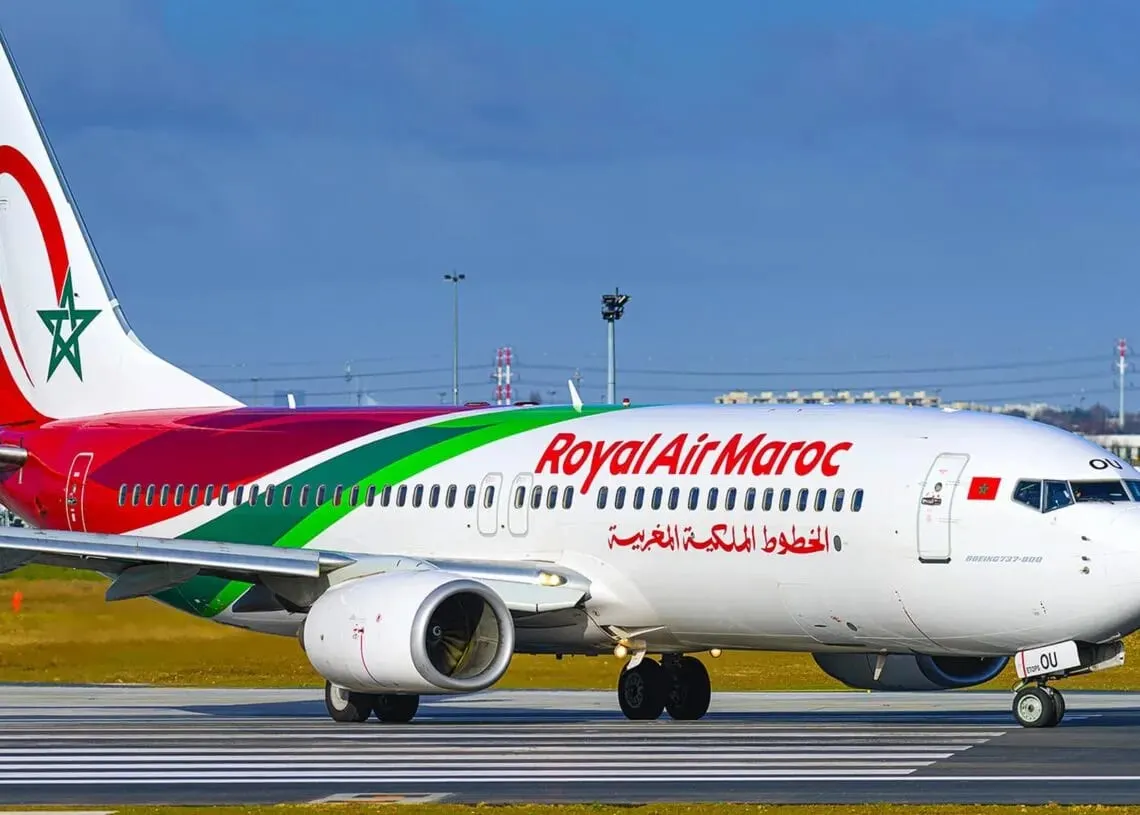
Royal Air Maroc has suspended 12 international routes as aviation kerosene prices surged past $1,700 per ton due to Middle East geopolitical tensions.
Key Takeaways
- •Royal Air Maroc suspended 12 routes due to rising kerosene costs.
- •Aviation fuel prices in Europe have surged past $1,700 per ton.
- •Fuel costs typically represent 30% of total airline operating expenses.
- •RAM plans to reassess the suspended routes in late 2026.
Network Adjustments
Royal Air Maroc (RAM), the national flag carrier of Morocco, has announced the provisional suspension of 12 international routes across Africa and Europe. This strategic move follows a sharp escalation in aviation kerosene price hike trends, which have placed significant pressure on the airline's operating margins. According to market data from May 2026, aviation fuel prices in Europe have surged past $1,700 per ton, a dramatic increase from approximately $830 per ton prior to the recent escalation of tensions in the Middle East. This volatility has forced carriers to prioritize liquidity and operational efficiency over network breadth.
Operational Impact
The airline fuel cost impact is particularly acute, as fuel typically accounts for roughly 30% of an airline's total operating expenses, according to the IATA Jet Fuel Price Monitor. By suspending these 12 routes, RAM aims to mitigate the financial burden of high fuel burn on less profitable segments. The affected routes include connections from Casablanca to Bangui, Brazzaville, Kinshasa, Douala, Yaoundé, and Libreville. Furthermore, the decision impacts European connections, specifically flights from Tangier to Malaga and Barcelona, as well as routes from Marrakech to Lyon, Bordeaux, Marseille, and Brussels.
For passengers, the Royal Air Maroc route suspensions represent a significant reduction in connectivity. Central and West African travelers lose direct access to the Casablanca hub, while European leisure travelers face fewer direct options to Moroccan destinations. The airline has stated that these suspensions are provisional and subject to reassessment based on future market conditions and fuel price stabilization. Travelers are encouraged to monitor the Royal Air Maroc Official Website for updates regarding future schedule availability.
Historical Context and Industry Trends
The current situation mirrors past macroeconomic shocks that forced the aviation industry to adapt to energy market volatility. In mid-2008, crude oil reached a record $147 per barrel, resulting in a global trend where airlines grounded older aircraft and aggressively culled unprofitable routes. Similarly, the 2020 pandemic-era network contractions demonstrated how carriers utilize temporary suspensions as a defensive mechanism to preserve cash flow during periods of extreme uncertainty.
Technical Analysis
This development indicates a broader trend of strategic network contraction among regional flag carriers facing external energy shocks. When fuel costs more than double, as seen in the current cycle, the threshold for route profitability shifts upward, rendering marginal routes unsustainable. The Moroccan Directorate General of Civil Aviation (DGAC) oversees the Bilateral Air Service Agreements (BASAs) that govern these routes; while carriers maintain the right to suspend operations for commercial reasons, long-term suspensions may eventually trigger requirements for minimum frequency commitments. The trajectory of this situation depends largely on the stabilization of geopolitical energy markets, which continue to influence global supply chains and fuel availability.
What Comes Next
Royal Air Maroc has not provided a definitive timeline for the resumption of the suspended services. The airline is expected to conduct a formal reassessment of these routes in late 2026. Future service restoration remains contingent upon the evolution of fuel costs and the recovery of passenger demand on these specific segments.
Why This Matters
This decision underscores the vulnerability of mid-sized flag carriers to global energy price fluctuations. As fuel costs remain a dominant line item in airline balance sheets, the ability to rapidly adjust network capacity is essential for maintaining financial stability. For the aviation industry, this move signals a period of cautious capacity management as carriers navigate ongoing geopolitical instability.
Frequently Asked Questions
- Why did Royal Air Maroc suspend 12 of its routes?
- Royal Air Maroc suspended the routes due to a sharp increase in kerosene prices, which surged past $1,700 per ton in May 2026, making operations on these specific routes financially unsustainable.
- When will the suspended Royal Air Maroc routes return?
- The airline has not announced a fixed return date but is expected to conduct a formal reassessment of the suspended routes in late 2026 based on market conditions and fuel price trends.
Get breaking commercial aviation news and expert airline analysis at omniflights.com. Follow aviation sustainability efforts, emissions research, and green initiatives in the Environmental section at omniflights.com/environmental.

Written by Hardik Vishwakarma
Co-Founder & Aviation News Editor leading initiatives that improve trust and visibility across the global aviation industry. Covers airlines, airports, safety, and emerging technology.
Visit ProfileYou Might Also Like
British Airways Restores Daily London-Buenos Aires Flights

Lufthansa Group Expands Japan Network to 50 Weekly Flights

Biman Bangladesh Seeks Early Delivery for 10 Airbus Jets
United Airlines Takes Delivery of First GTF Advantage A321XLR
Biman Bangladesh Airlines to Sign 10-Aircraft Airbus Deal