Riyadh Air Adds Málaga, Dhaka, and Kuala Lumpur Routes

Co-Founder & CEOAviation News Editor delivering trusted coverage across the global aviation industry.

Saudi carrier Riyadh Air is expanding its network to eight destinations with new flights to Málaga, Dhaka, and Kuala Lumpur.
Key Takeaways
- •Riyadh Air expands network to 8 destinations with new Málaga, Dhaka, KUL routes.
- •Sixth Boeing 787-9 Dreamliner delivery supports summer 2026 schedule growth.
- •New seasonal flights to Málaga begin July 14, 2026, followed by KUL and DAC.
- •Expansion aligns with Saudi Arabia Vision 2030 aviation growth targets.
Network Expansion and Market Strategy
Riyadh Air has officially expanded its Riyadh Air route map to eight destinations, marking a significant milestone in the airline's rapid development. The Saudi startup has launched ticket bookings for flights to Málaga Costa del Sol Airport (AGP), Hazrat Shahjalal International Airport (DAC), and Kuala Lumpur International Airport (KUL). This growth is supported by the airline's fleet expansion, with the carrier currently operating five Boeing 787-9 Dreamliner aircraft and preparing to receive its sixth unit. These additions bring the total number of announced destinations to at least eight, aligning with the broader Saudi Arabia Vision 2030 aviation objectives.
Fleet and Operational Scaling
The airline's ability to accelerate its commercial launch dates is largely attributed to timely aircraft deliveries from Boeing. By leveraging the efficiency of the Boeing 787-9 Dreamliner, Riyadh Air is positioning itself to capture a larger share of the global transit market. According to the Riyadh Air press release issued on June 30, 2026, the carrier is focused on strengthening its network across key markets for business, trade, and tourism. Tony Douglas, CEO of Riyadh Air, noted that these routes bring the carrier closer to its goal of connecting its hub at King Khalid International Airport (RUH) to more than 100 destinations worldwide by 2030.
Competitive Landscape and Stakeholder Impact
The expansion of Riyadh Air destinations signals an aggressive entry into the global aviation sector. This growth trajectory mirrors the historical launch of Etihad Airways in November 2003, which rapidly scaled its network from an Abu Dhabi hub to compete with established regional carriers. Today, Riyadh Air faces direct competition from established Gulf carriers like Emirates and Qatar Airways for lucrative Europe-to-Asia transit traffic. Airport operators, including Malaysia Airports Holdings Berhad (MAHB) and AENA, are expected to benefit from increased international landing fees and passenger traffic generated by the new service. For religious and leisure travelers, the new routes provide essential non-stop options to Saudi Arabia, significantly improving access for Umrah pilgrimages and regional business travel.
Boeing 787-9 vs Airbus A350-900: Key Specifications
| Metric | Boeing 787-9 | Airbus A350-900 |
|---|---|---|
| Range | 7,565 nmi | 8,300 nmi |
| Typical 2-Class Seating | 296 passengers | 300-350 passengers |
| MTOW | 254,000 kg | 280,000 kg |
Strategic Growth and Industry Trends
The industry trend of Gulf Carrier Expansion is central to the current development of the Saudi aviation sector. By utilizing dual hubs—Saudia in Jeddah and Riyadh Air in Riyadh—the Kingdom is aggressively scaling its infrastructure to challenge the existing regional dominance of neighboring transit hubs. The current strategy relies on high-frequency, long-haul connectivity enabled by the Boeing 787-9 Dreamliner, which offers a balance of range and capacity suited for the airline's initial route network. As the airline continues to integrate new aircraft, the focus remains on operational reliability and market penetration within high-growth regions like Southeast Asia and Southern Europe.
Launch Milestones for New Routes
Riyadh Air has confirmed a series of upcoming service launches to solidify its presence in these new markets. Seasonal flights to Málaga are scheduled to commence on July 14, 2026. This will be followed by the launch of year-round flights to Kuala Lumpur on July 30, 2026. Finally, the airline is set to initiate daily flights to Dhaka on August 7, 2026. These milestones mark critical phases in the carrier's broader effort to establish a robust global footprint.
Why This Matters for Global Transit
This expansion represents a critical shift in the competitive landscape of Middle Eastern aviation. By establishing direct links to major hubs in Malaysia, Bangladesh, and Spain, Riyadh Air is effectively diversifying its transit options and reducing reliance on legacy regional hubs. For passengers and industry stakeholders, the move signals a permanent change in how transit traffic is routed through the region, further cementing Riyadh as a central node in the global aviation network.
Frequently Asked Questions
- What aircraft does Riyadh Air use for its new international routes?
- Riyadh Air operates the Boeing 787-9 Dreamliner for its expanding international network, with six aircraft currently in its fleet or imminent for delivery.
- When do the new flights to Málaga, Kuala Lumpur, and Dhaka begin?
- Seasonal flights to Málaga commence on July 14, 2026, followed by year-round service to Kuala Lumpur on July 30, 2026, and daily flights to Dhaka on August 7, 2026.
Visit omniflights.com for the latest commercial aviation news and airline industry updates. Discover how innovation is shaping aviation through aircraft systems, avionics, and digital tools at omniflights.com/technology.
Written by Hardik Vishwakarma
Co-Founder & Aviation News Editor leading initiatives that improve trust and visibility across the global aviation industry. Covers airlines, airports, safety, and emerging technology.
Visit ProfileYou Might Also Like
Discover more aviation news based on similar topics
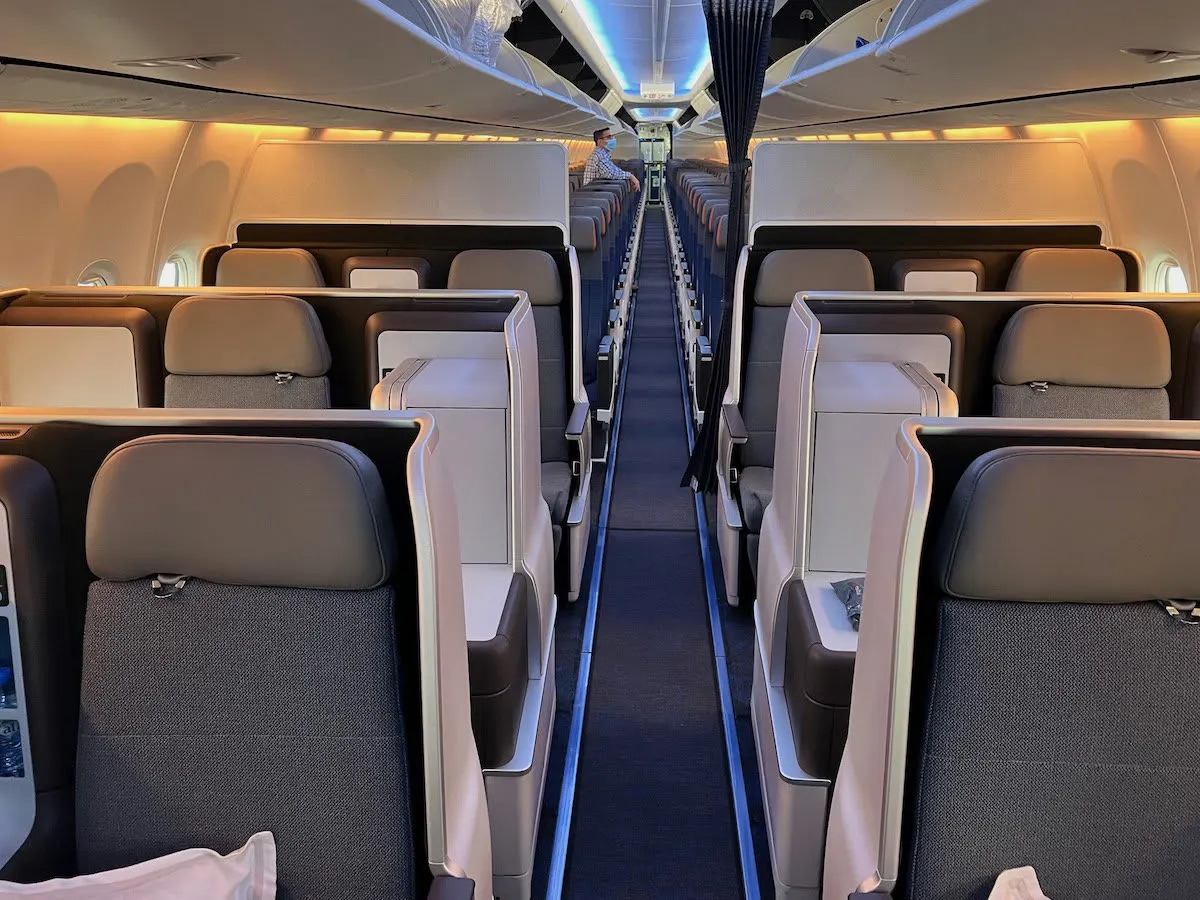
Flydubai Upgrading 21 Boeing 737 MAX 8s to Flat Bed Seats
Flydubai is retrofitting 21 Boeing 737 MAX 8 aircraft with lie-flat business class seats to standardize its premium product by late 2027.
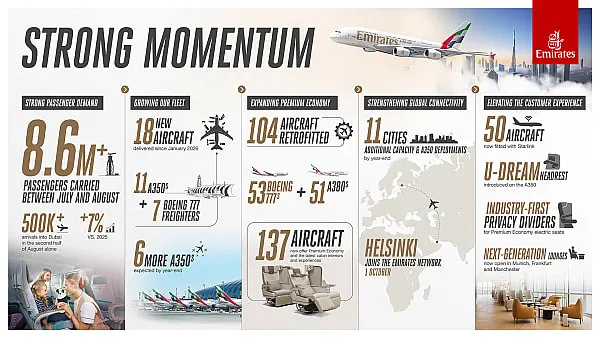
Emirates Winter Booking Momentum Grows Amid Fleet Expansion
Emirates carried 8.6 million passengers this summer and enters winter with strong demand as it accelerates fleet retrofits and network growth.
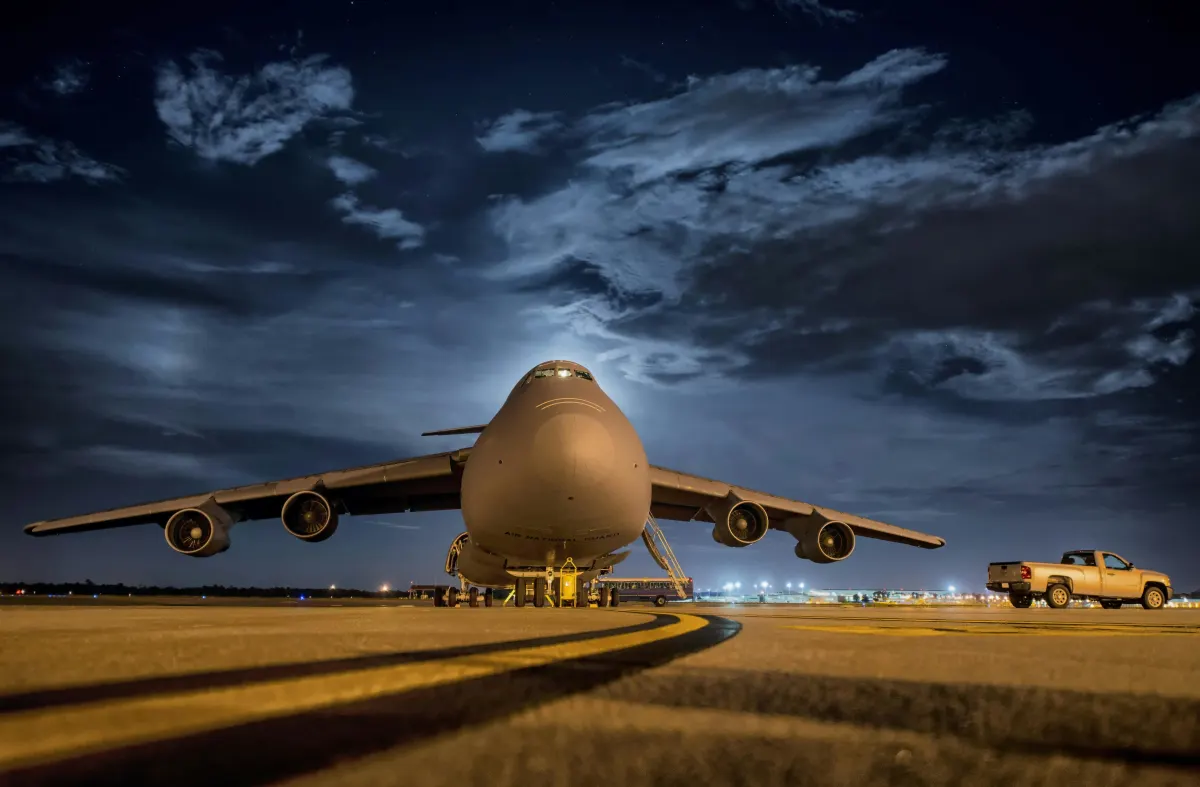
Air Arabia Consortium Gains AOC for New Dammam Budget Airline
A Saudi GACA-led consortium including Air Arabia has secured an AOC to launch a new budget airline based at Dammam's King Fahd International Airport.
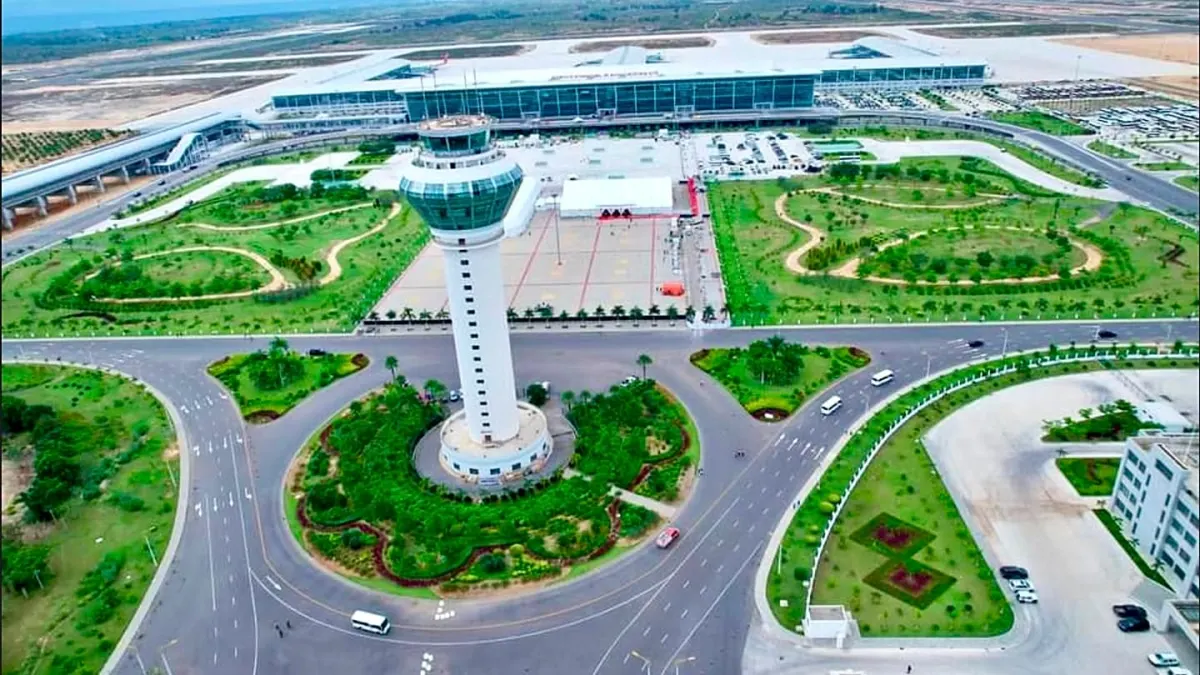
Turkish Airlines Exits Luanda as Angola Hub Struggles
Turkish Airlines dropped its Luanda route as Angola's new airport struggles to attract traffic, handling only 756,028 passengers in 2025.

Red Sea Airlines Leases Two 737 MAX 8s for 2027 Expansion
Red Sea Airlines signed a lease for two Boeing 737 MAX 8 aircraft from SMBC Aviation Capital, arriving in 2027 to support its 14-aircraft fleet goal.
Avelo CEO Warns Airfares May Rise on Jet Fuel Price Spikes
Avelo Airlines CEO Andrew Levy warns that rising fuel costs may force fare increases as global jet fuel prices reach $171.01 per barrel.