Rebound JV Launches Major Dunkirk SAF Plant

Co-Founder & CEOAviation News Editor delivering trusted coverage across the global aviation industry.
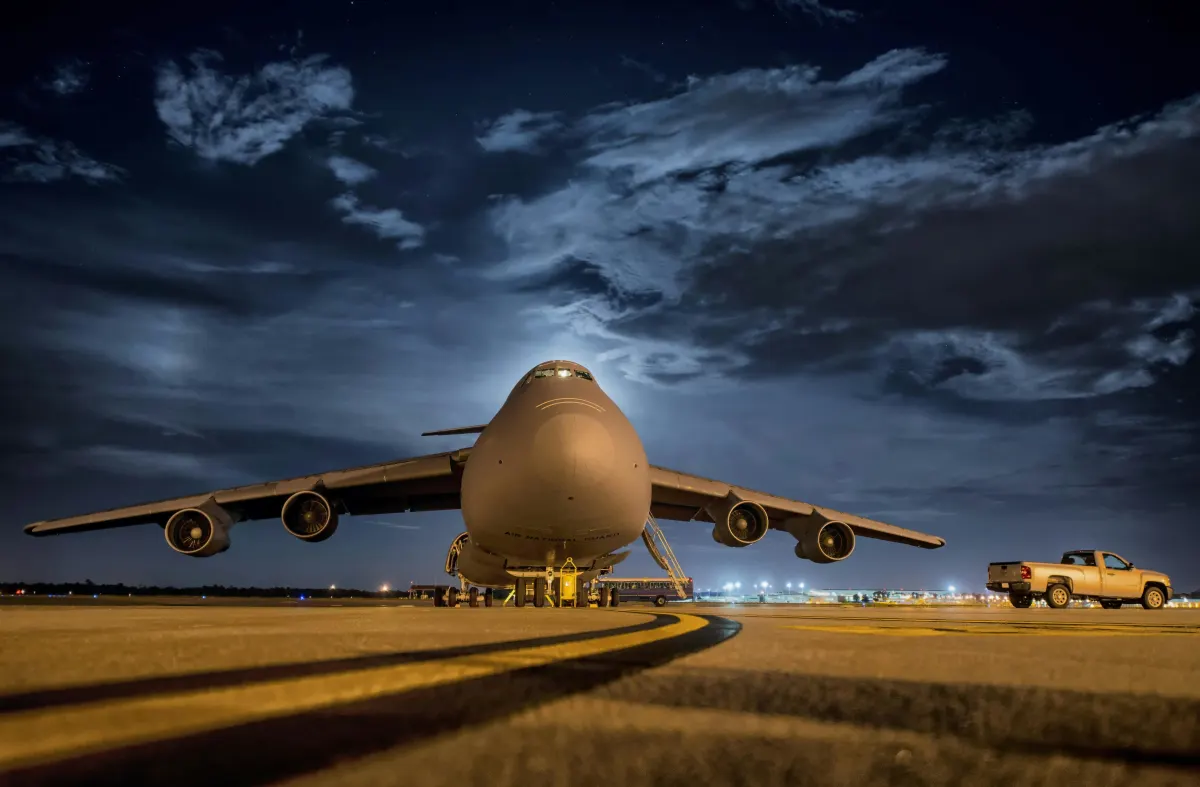
A consortium led by Airbus and Technip Energies will build a Dunkirk plant producing 160,000 tons of SAF annually using Alcohol-to-Jet technology.
Key Takeaways
- •Rebound JV will build a Dunkirk facility for 160,000 tons of SAF annually.
- •Project utilizes Alcohol-to-Jet technology to meet EU ReFuelEU mandates.
- •Partners include Airbus, Safran, Technip Energies, and Tereos.
- •Final agreement for the joint venture is expected in late 2026.
A New Industrial Pathway for Aviation Decarbonization
A consortium featuring Technip Energies, Airbus, Safran, and Tereos has formally launched the Rebound joint venture to develop a large-scale Sustainable Aviation Fuel (SAF) production facility in Dunkirk, France. The project leverages Alcohol-to-Jet technology (AtJ) to produce approximately 160,000 tons of SAF annually, marking a significant step in the regional effort to meet escalating European environmental mandates. By utilizing agricultural and forestry residues, the Dunkirk SAF plant aims to bypass the feedstock constraints currently limiting the industry-standard Hydroprocessed Esters and Fatty Acids (HEFA) production pathway.
Strategic Importance of the Rebound Consortium
The launch of this facility directly addresses the regulatory requirements set forth by the European Union’s ReFuelEU Aviation mandate. According to the European Union ReFuelEU Aviation Regulation, aviation fuel suppliers must blend 6% SAF by 2030, a substantial increase from the 2% requirement established for 2025. This mandate is projected to drive an eightfold increase in demand between 2030 and 2050, as the regulation eventually requires a 70% SAF blend by 2050. For European airlines, the establishment of a localized supply chain is critical to hedging against future fuel shortages and compliance penalties.
Julie Kitcher, Chief Sustainability Officer at Airbus, noted that the project will open an abundant new SAF pathway in France, helping to strengthen Europe's energy sovereignty. Details regarding the consortium's progress and technical specifications can be found on the Airbus Sustainability & Energy Transition portal.
Alcohol-to-Jet vs. Traditional HEFA
Unlike traditional production methods that rely heavily on waste oils and fats, the Alcohol-to-Jet technology allows for the conversion of ethanol into drop-in fuel. This flexibility is essential for scaling production to meet global demand. The Technip Energies Press Releases highlight that this technology provides a highly scalable solution for decarbonizing long-haul flight operations. While the project is a major milestone, some industry participants, such as TotalEnergies, have cautioned that the economic feasibility of SAF remains a challenge due to the significant price premium over conventional fossil-based kerosene.
Historical Precedents and Industry Trajectory
This project follows the successful 2024 launch of the LanzaJet Freedom Pines Fuels facility in the United States, which proved the commercial viability of the AtJ pathway. Similarly, the trend of vertical integration is accelerating, with aerospace OEMs (Original Equipment Manufacturers) like Airbus and Safran partnering directly in fuel production to guarantee offtake. This shift mirrors the strategy seen in 2023, when Air France-KLM invested in DG Fuels to secure future supply. These moves indicate a broader industry shift where manufacturers and airlines are becoming active participants in the fuel production ecosystem.
What Comes Next for the Rebound Project
The consortium is currently working toward a Final Investment Decision (FID), with the formalization of the Rebound joint venture agreement expected in the second half of 2026. Following this milestone, the project will move into the detailed engineering and construction phases. Success will depend on the ability to maintain cost-competitiveness as the facility scales toward its 160,000-ton capacity target.
Why This Matters for the European Aviation Market
For European airlines, the project represents a vital hedge against the tightening regulatory environment. By investing in local production, the consortium is not only securing a supply of drop-in fuel but also positioning itself to lead in the emerging green-energy industrial sector. However, environmental groups like Transport & Environment continue to argue that current production rates remain insufficient to meet the industry's long-term net-zero goals, suggesting that SAF is only one component of a much broader necessary transition.
Frequently Asked Questions
- What is the annual production capacity of the new Dunkirk SAF plant?
- The facility is projected to produce approximately 160,000 tons of Sustainable Aviation Fuel per year.
- Why is the Alcohol-to-Jet (AtJ) pathway significant for SAF production?
- Alcohol-to-Jet technology allows producers to utilize abundant agricultural and forestry residues, which helps overcome the feedstock limitations currently associated with waste-oil-based production methods.
omniflights.com provides comprehensive commercial aviation news covering airlines, aircraft, and airports. Track policy changes, airspace rules, and global aviation governance in the Regulatory category at omniflights.com/regulatory.
Written by Hardik Vishwakarma
Co-Founder & Aviation News Editor leading initiatives that improve trust and visibility across the global aviation industry. Covers airlines, airports, safety, and emerging technology.
Visit ProfileYou Might Also Like
Discover more aviation news based on similar topics

Boeing Logs 15 Gross Orders Including 13 787 Dreamliners
Boeing recorded 15 gross orders in August 2026, featuring 13 widebody 787 Dreamliner commitments from undisclosed customers.

Hermeus Gets FAA Approval for Mach 1+ Drone Test Flights
The FAA authorized Hermeus to conduct six supersonic test flights of its Quarterhorse Mk 2.2 drone at White Sands through August 2027.

Airbus Deliveries Slow to 57, Putting 870 Target at Risk
Airbus delivered 57 aircraft in August 2026, requiring a surge to 99 monthly deliveries to meet its full-year target of 870.
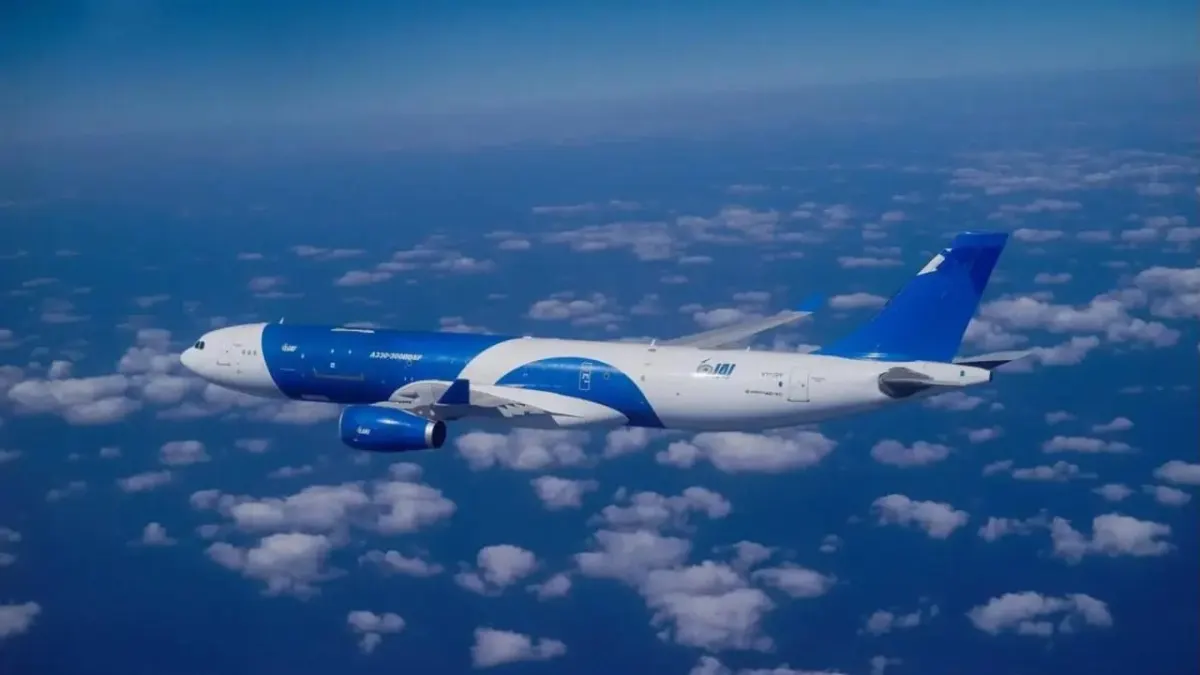
IAI Completes First Flight of A330-300BDSF Cargo Conversion
Israel Aerospace Industries successfully completed the first flight of its A330-300BDSF, an Airbus widebody converted for cargo operations.

Embraer Delivers 2,000th E-Jet to Azul Linhas Aéreas
Embraer reached a major milestone with the delivery of its 2,000th E-Jet, an E195-E2, to Brazilian operator Azul Linhas Aéreas on September 2, 2026.

Cessna Citation CJ4 Achieves 500th Delivery
Textron Aviation delivered its 500th Cessna Citation CJ4 business jet to a customer in the Philippines as the manufacturer nears Gen3 certification.