Qantas A380 Retirement Set for 2032 Amid Fleet Renewal

Co-Founder & CEOAviation News Editor delivering trusted coverage across the global aviation industry.
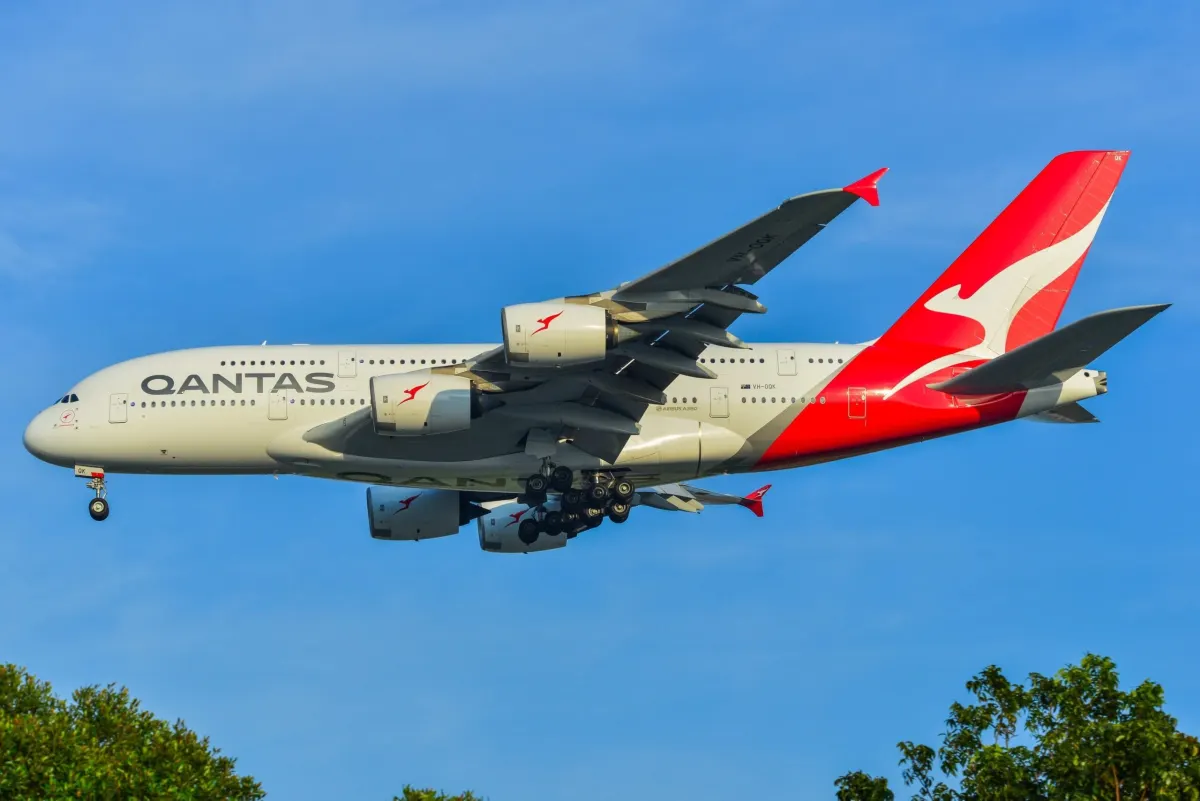
Qantas plans to retire its 10 Airbus A380s starting in 2032, shifting to a more efficient twin-engine widebody fleet for its long-haul network.
Key Takeaways
- •Qantas will retire its 10 Airbus A380s starting in the 2032 financial year.
- •The airline is evaluating an order for 20 new widebody aircraft replacements.
- •EASA mandates repetitive wing spar inspections for the aging A380 fleet.
- •Qantas expects the first A350-1000ULR delivery for Project Sunrise in late 2026.
The Impending Transition of the Qantas Flagship
Qantas is preparing for a significant transition in its long-haul operations as the Airbus A380 nears its scheduled retirement. The airline, which currently operates a fleet of 10 active A380s, has confirmed that the iconic superjumbo will begin exiting the fleet from the 2032 financial year onwards. This move marks the end of an era for the carrier, as it pivots toward more fuel-efficient, twin-engine widebody aircraft to meet future operational and environmental demands.
The Strategic Shift to Twin-Jet Efficiency
As the industry moves away from four-engine aircraft, Qantas A380 retirement plans reflect a broader global trend. Airlines are increasingly favoring twin-engine jets like the Airbus A350 and the Boeing 787 Dreamliner for their superior fuel efficiency, which can be up to 25% better than older quad-jets. According to reports, Qantas is currently evaluating an order for approximately 20 new widebody aircraft to fill the capacity gap left by the 485-seat superjumbo. This Qantas widebody fleet renewal is critical, as the airline currently has 24 Airbus A350s on order, including 12 A350-1000s and 12 A350-1000ULRs for its Project Sunrise initiative.
Maintenance Burdens and Regulatory Pressures
Operational constraints are accelerating the need for this transition. The European Union Aviation Safety Agency (EASA) has issued multiple mandatory directives, including EASA AD 2025-0280 and AD 2025-0212, which require repetitive inspections for cracks in the wing middle and outer rear spars of the A380 fleet. These regulatory requirements, coupled with global Maintenance, Repair, and Overhaul (MRO) slot shortages, significantly increase the cost of operating the aging quad-jet. With supply chain backlogs stretching into the 2030s, the airline is forced to finalize its replacement strategy well in advance to ensure fleet continuity.
Comparative Fleet Specifications
| Metric | Airbus A380 | Airbus A350-1000 |
|---|---|---|
| Engines | 4 | 2 |
| Typical Seating (3-class) | ~525 | ~350-410 |
| Range | 8,000 nm | 8,700 nm |
The Financial and Operational Stakes
For Airbus, the potential order represents a chance to solidify its role as the primary provider for Qantas' long-haul future. Conversely, Boeing views the replacement race as a vital opportunity to maintain a presence in the Qantas widebody portfolio with the Boeing 787 Dreamliner. Furthermore, the decision carries operational implications for hubs like Sydney Airport (SYD); replacing the high-capacity A380 with smaller twin-jets will reduce passenger throughput per slot, potentially complicating capacity management at the congested gateway. For more details on the airline's long-term planning, visit the official Qantas Investor Relations portal.
What Comes Next for the Fleet
The timeline for this transition is already in motion. While the fleet retirement is set for the 2032 financial year, the procurement process is expected to reach a decision point between 2026 and 2027. In the interim, the airline remains focused on the integration of its Project Sunrise aircraft, with the first A350-1000ULR delivery confirmed for late 2026. These aircraft will be central to maintaining the airline's network strategy as the A380s are progressively phased out.
Why This Matters for the Industry
The phase-out of the A380 at Qantas serves as a bellwether for the aviation industry's shift toward smaller, more efficient long-haul assets. By moving away from the superjumbo, the carrier is addressing both the rising maintenance costs associated with aging wing structures—as detailed in official EASA Airworthiness Directives—and the need for lower per-passenger carbon emissions. For passengers, this transition marks a shift from the unique, spacious cabin environment of the A380 to the modern, high-density configurations of the next generation of widebodies, including the Boeing 787 and the Airbus A380's successor candidates.
Frequently Asked Questions
- When will Qantas retire its Airbus A380 fleet?
- Qantas has scheduled the retirement of its A380 fleet to begin from the 2032 financial year onwards.
- Why is Qantas replacing the A380?
- Qantas is replacing the A380 to improve fuel efficiency and address the increasing maintenance burden caused by aging wing structures, as mandated by EASA airworthiness directives.
Visit omniflights.com for the latest commercial aviation news and airline industry updates. From aircraft production to supply chains, commercial aviation manufacturing news is covered at omniflights.com/manufacturing.
Written by Hardik Vishwakarma
Co-Founder & Aviation News Editor leading initiatives that improve trust and visibility across the global aviation industry. Covers airlines, airports, safety, and emerging technology.
Visit ProfileYou Might Also Like
Discover more aviation news based on similar topics
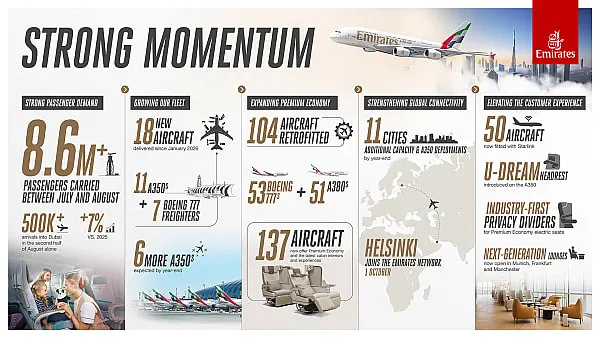
Emirates Winter Booking Momentum Grows Amid Fleet Expansion
Emirates carried 8.6 million passengers this summer and enters winter with strong demand as it accelerates fleet retrofits and network growth.

Air Arabia Consortium Gains AOC for New Dammam Budget Airline
A Saudi GACA-led consortium including Air Arabia has secured an AOC to launch a new budget airline based at Dammam's King Fahd International Airport.
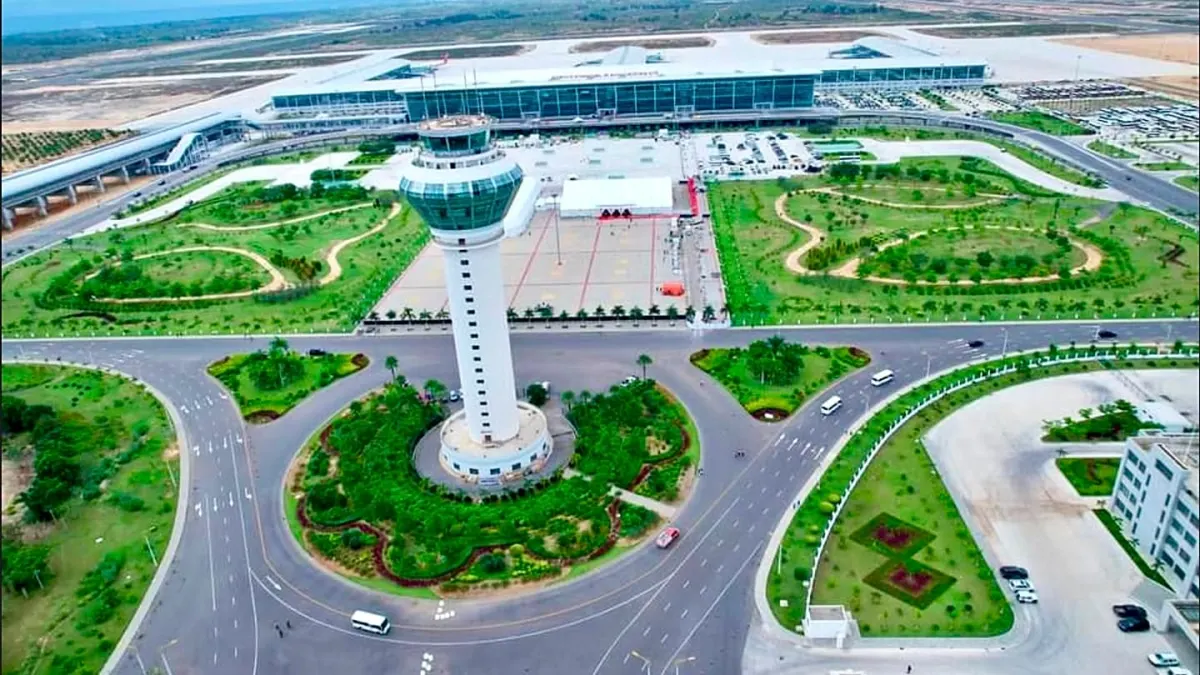
Turkish Airlines Exits Luanda as Angola Hub Struggles
Turkish Airlines dropped its Luanda route as Angola's new airport struggles to attract traffic, handling only 756,028 passengers in 2025.

Red Sea Airlines Leases Two 737 MAX 8s for 2027 Expansion
Red Sea Airlines signed a lease for two Boeing 737 MAX 8 aircraft from SMBC Aviation Capital, arriving in 2027 to support its 14-aircraft fleet goal.
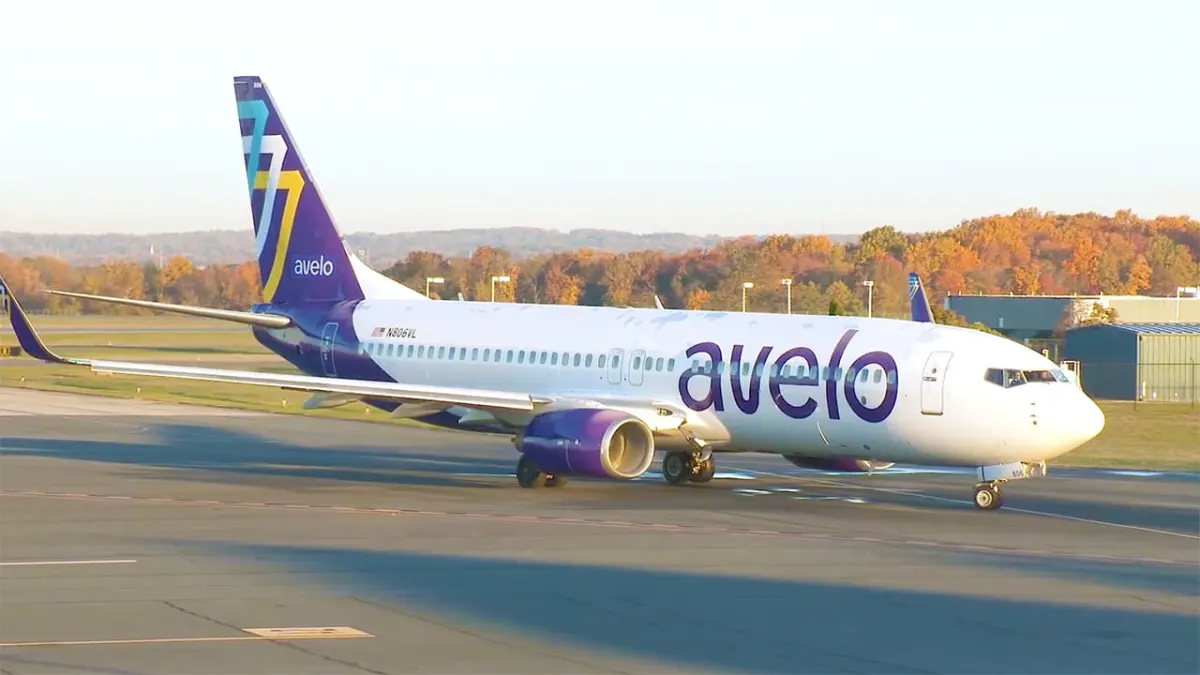
Avelo CEO Warns Airfares May Rise on Jet Fuel Price Spikes
Avelo Airlines CEO Andrew Levy warns that rising fuel costs may force fare increases as global jet fuel prices reach $171.01 per barrel.
IndiGo, Air India Battle for Mumbai-Delhi Route Dominance
IndiGo and the Air India group are competing for dominance on the Mumbai-Delhi air route, which saw 13.9 percent capacity growth this September.