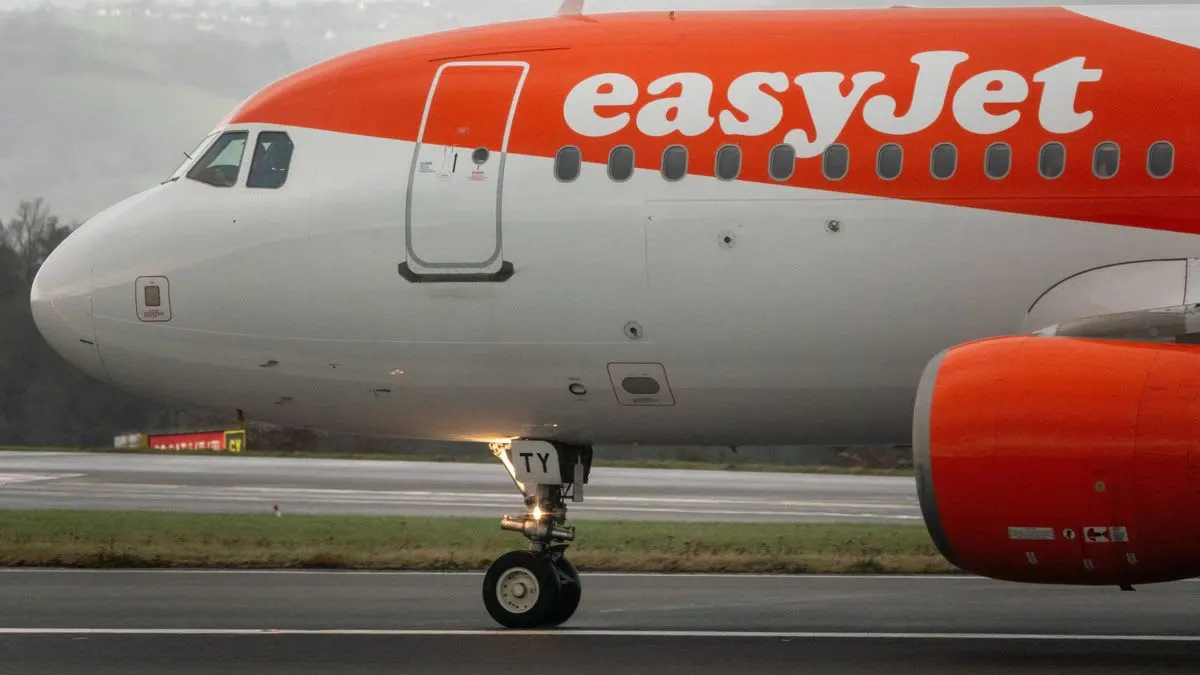
NTSB Probes De-Icing Time in Fatal Bangor Challenger 650 Crash


NTSB is investigating a fatal Challenger 650 crash in Bangor, focusing on anti-icing holdover times that were exceeded before the January 25 takeoff.
Key Takeaways
- •Investigates a fatal Bombardier Challenger 650 crash in Bangor, Maine, on January 25, 2026.
- •Exceeded the 9-minute maximum anti-icing holdover time, taking off 14-17 minutes after treatment.
- •Highlights the critical safety risks of ground icing in winter aviation operations.
- •Finds no initial evidence of engine or flight control failure, focusing the probe on icing.
The U.S. National Transportation Safety Board (NTSB) is focusing its investigation into a fatal Bombardier Challenger 650 accident in Bangor, Maine, on the critical timeframe between aircraft de-icing and takeoff. A preliminary report indicates the business jet departed minutes after the recommended anti-icing holdover time had expired, a key factor in understanding the accident on January 25, 2026, which resulted in the death of all six occupants.
The investigation highlights the stringent requirements and narrow safety margins associated with winter aviation operations. Exceeding the established Holdover Time (HOT) can allow ice, snow, or frost to re-accumulate on critical flight surfaces, severely degrading aerodynamic performance and potentially leading to a loss of control during the critical takeoff phase. The findings from this inquiry could have significant implications for flight crew training and ground operation procedures across the business and commercial aviation sectors.
Investigation Focuses on Holdover Time
According to the NTSB's preliminary report, the accident sequence began moments after the aircraft lifted off the runway. The Challenger 650 rolled sharply to the right and crashed, creating a debris field approximately 1,270 feet long. Investigators found no initial evidence of engine or flight control system failure, directing attention toward external factors such as weather and ground procedures.
A central fact in the inquiry is the timing of the ground anti-icing treatment. The aircraft was treated and subsequently took off between 14 and 17 minutes later. However, based on the prevailing weather conditions in Bangor at the time, the maximum recommended holdover time was just nine minutes. This discrepancy suggests the aircraft's wings may have been contaminated with ice at the moment of takeoff.
Holdover Time is the estimated duration for which an anti-icing fluid will prevent ice and snow from adhering to aircraft surfaces. These times are not merely advisory; they are critical safety limits published by authorities like the Federal Aviation Administration (FAA) in its official Holdover Time (HOT) Tables. These tables are updated annually to reflect new fluid properties and research.
Analysis of the cockpit voice recorder, cited in the NTSB's update, revealed the flight crew was aware of time limitations. The pilot was captured stating that if the takeoff delay exceeded 30 minutes, they would require a second de-icing treatment, a sentiment the co-pilot affirmed. This indicates an awareness of the general principle of holdover times, but the investigation will likely examine why the specific nine-minute limit for the conditions was exceeded.
Winter Operations and Regulatory Context
This accident underscores the persistent risks of ground icing, a focal point for aviation safety regulators worldwide. Aviation authorities, including the FAA and Transport Canada, continuously update guidance to mitigate these dangers. Regulations such as FAR 121.629 mandate that certain commercial operators have an FAA-approved ground de-icing program, which is essential for using HOT tables for anything beyond advisory purposes.
Advancements in de-icing and anti-icing fluids have led to a classification system, with fluids ranging from Type I to Type IV. Each type offers different properties and holdover durations tailored to specific weather conditions and aircraft types. The selection and application of the correct fluid, followed by strict adherence to its HOT, are fundamental components of a safe winter operation.
Historically, post-incident safety recommendations issued by the NTSB have been a primary driver for regulatory and procedural changes in the aviation industry. Investigations often uncover latent safety issues or human factors that lead to revised training programs, checklists, and operational protocols. The outcome of the Bangor investigation is expected to follow this pattern, potentially reinforcing the need for more rigorous crew training on interpreting HOT tables and making go/no-go decisions in marginal weather.
Next Steps in the Investigation
The NTSB's work on this accident is ongoing. The preliminary report provides initial facts, but a comprehensive analysis of the wreckage, flight data recorder, cockpit voice recorder, and operational procedures is still underway. Investigators will continue to examine all potential contributing factors, including human performance, equipment, and environmental conditions.
A final report, which typically takes 12 to 24 months to complete, will state the probable cause of the accident. It is also expected to include formal safety recommendations directed at the FAA, aircraft manufacturers, and operators to prevent similar accidents in the future. These recommendations could influence everything from pilot training curricula to the design of de-icing systems and procedures.
Why This Matters
This accident serves as a critical reminder that adherence to established procedures, particularly in challenging weather, is paramount to aviation safety. For flight crews and ground operators, it reinforces that holdover times are absolute limits, not flexible guidelines. The investigation's focus on a time deviation measured in single-digit minutes highlights the unforgiving nature of aerodynamics when critical surfaces are contaminated, signaling a need for continued vigilance and training across the industry.
For global airline trends and commercial aviation news, turn to omniflights.com. Discover how innovation is shaping aviation through aircraft systems, avionics, and digital tools at omniflights.com/technology.

Written by Ujjwal Sukhwani
Aviation News Editor & Industry Analyst delivering clear coverage for a worldwide audience. Covers flight operations, safety regulations, and market trends with expert analysis.
Visit ProfileYou Might Also Like
Israel Bans United Airlines Pilot Over Pro-Iran Posts

Attack on Saudi King Fahd International Airport
LATAM Airlines A320 Engine Fire During Takeoff in Peru
Riyadh Airport Limits Traffic Following Houthi Attacks
FAA Mandates Fuel Valve Inspections for A330 and A340