NTSB Probes Alaska Airlines, FedEx Near-Collision at Newark Airport

Co-Founder & CEOAviation News Editor delivering trusted coverage across the global aviation industry.
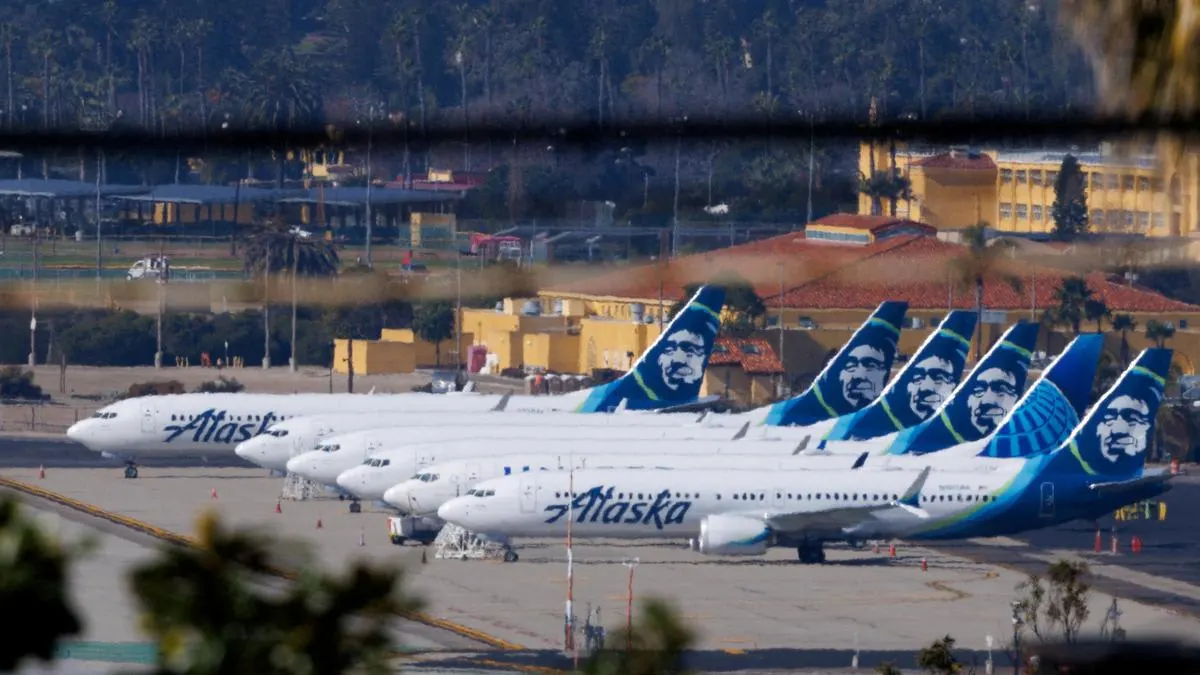
The NTSB is investigating a runway near-miss between an Alaska Airlines 737 and a FedEx 777 at Newark, raising concerns over air traffic control safety.
Key Takeaways
- •NTSB investigates a near-collision between an Alaska 737 and a FedEx 777 at Newark.
- •Aircraft came within an estimated 300-325 feet before ATC ordered a go-around.
- •Incident highlights persistent risks from intersecting runways and ATC staffing shortages.
- •Mirrors a similar 2023 near-miss in Austin that prompted FAA safety reviews.
The National Transportation Safety Board (NTSB) has launched an investigation into a serious runway incursion at Newark Liberty International Airport (EWR) involving an Alaska Airlines passenger jet and a FedEx cargo aircraft. The incident, which occurred on March 17, 2026, resulted in a significant loss of separation, with the two aircraft coming within an estimated 300 to 325 feet of each other before a potential collision was averted.
This event places renewed scrutiny on Air Traffic Control (ATC) procedures and staffing levels, echoing a series of similar close calls across the United States. For the 171 passengers and 6 crew members aboard the Alaska flight, the incident concluded safely only after controllers issued a last-minute go-around instruction. The NTSB's direct involvement, authorized under Title 49 CFR Part 831, underscores the severity of the event and its potential to erode public confidence in the national airspace system.
Incident Details
The near-collision involved Alaska Airlines Flight 294, a Boeing 737 MAX 9, and FedEx Flight 721, a Boeing 777F freighter. According to FlightRadar24 ADS-B data, the Alaska Airlines jet was on final approach when the FedEx widebody was cleared for takeoff on an intersecting runway. The Federal Aviation Administration (FAA), which manages Air Traffic Control, has not yet commented on the specific instructions given to the flight crews.
Data indicates the go-around command was issued to the Alaska pilots when their aircraft was at an altitude of approximately 150 feet. In a statement, Alaska Airlines noted its pilots are 'highly trained for' such maneuvers, framing the go-around as a standard safety procedure. FedEx confirmed its crew followed all ATC instructions and landed safely after their departure. The NTSB will analyze flight data recorders, cockpit voice recorders, and ATC communications to reconstruct the event sequence.
Systemic Pressures and Historical Context
This incident is not an isolated event. It mirrors a highly similar near-collision at Austin-Bergstrom International Airport (AUS) on February 4, 2023, which also involved a FedEx aircraft and a departing passenger jet. In the Austin case, the NTSB cited ATC error and the lack of advanced surface detection technology as contributing factors. That event was a key catalyst for a series of FAA safety summits aimed at addressing the rise in runway incursions.
The Newark incident highlights ongoing concerns within the industry regarding Air Traffic Control staffing shortages. The FAA has faced persistent criticism over controller fatigue and a strained workforce, which safety experts argue reduces the margin for error, particularly at complex airports like EWR that rely on intersecting runways to maximize capacity. While these runway configurations enhance airport efficiency, they demand exceptionally precise sequencing from controllers, a task governed by procedures outlined in FAA Order JO 7110.65.
Stakeholder and Industry Impact
The investigation will have direct consequences for the stakeholders involved. The FAA Air Traffic Control staff at the Newark tower will face operational reviews and likely undergo mandatory retraining on intersecting runway operations. For Alaska Airlines, the flight crew will be subject to detailed NTSB interviews and internal safety audits. Similarly, FedEx Express will conduct its own analysis of flight data to assess crew situational awareness during the approach.
The broader aviation industry will be watching the NTSB's findings closely. A determination of ATC error could accelerate FAA investment in surface detection and alerting technologies at airports that currently lack them. It also adds pressure on the agency to resolve its controller staffing and training pipeline issues.
What Comes Next
The NTSB's investigation is in its early stages. The agency is expected to release a preliminary report detailing the basic facts of the incident by April 2026. This initial document will not state a probable cause.
A comprehensive final report, which will include a probable cause determination and any formal safety recommendations, is not expected for 12 to 24 months. The final publication is anticipated between March 2027 and March 2028. The full investigation docket, including factual reports and submissions, will be made public on the NTSB's official website.
Why This Matters
This near-miss at a major U.S. hub serves as a critical reminder of the fragility of aviation safety margins. It highlights the systemic risks posed by overworked air traffic controllers and aging airport infrastructure. The outcome of the NTSB investigation will likely influence FAA policy on ATC staffing, training, and the mandatory implementation of technology designed to prevent runway incursions, ultimately shaping the safety of the entire national airspace system.
From airline operations to fleet updates, commercial aviation news lives at omniflights.com. Get the latest updates on major hubs, regional terminals, and airport operations via the Airports section at omniflights.com/airports.
Written by Hardik Vishwakarma
Co-Founder & Aviation News Editor leading initiatives that improve trust and visibility across the global aviation industry. Covers airlines, airports, safety, and emerging technology.
Visit ProfileYou Might Also Like
Discover more aviation news based on similar topics

Families Demand DCA Midair Collision Safety Reforms
Families of 67 victims from the 2025 DCA midair collision are pressing Congress for mandatory ADS-B In technology to prevent future aviation tragedies.

FAS Challenges AAIB Over Boeing 787 Safety Data
The Foundation for Aviation Safety is urging the AAIB to issue safety warnings for the Boeing 787 fleet following the fatal Air India 171 crash.
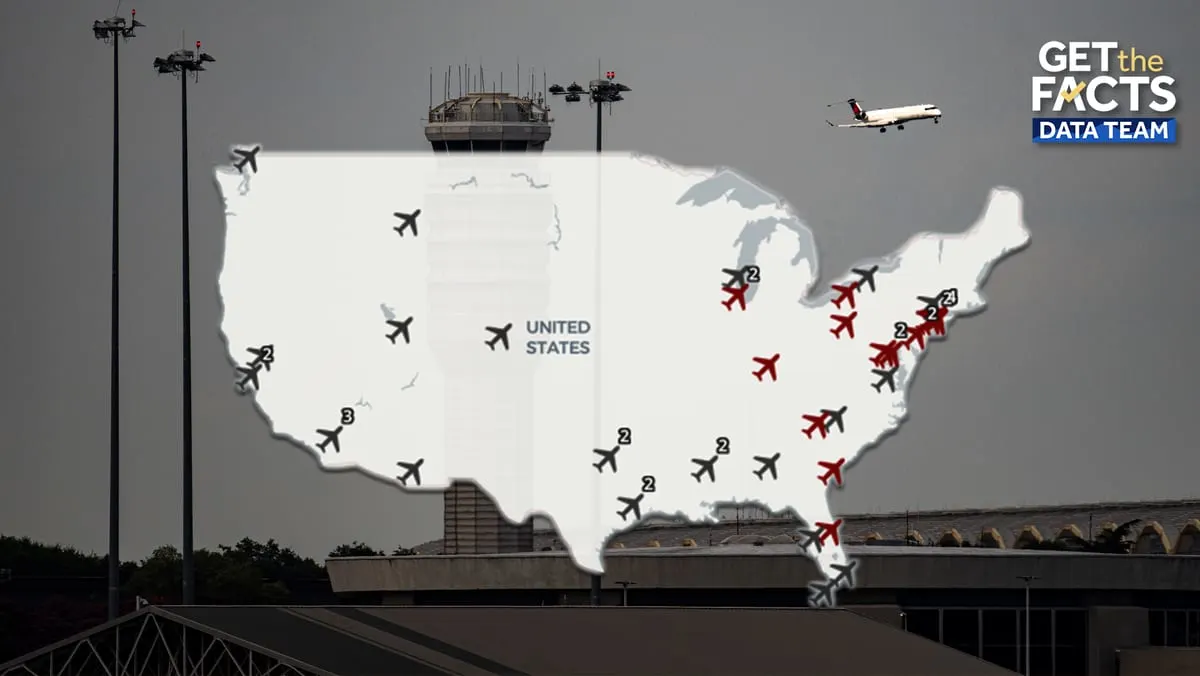
NTSB Safety Recommendations Lag Amid 6 Monthly Near-Misses
Approximately 6 near-miss incidents occur monthly at U.S. airports as 270 NTSB safety recommendations remain unaddressed by federal regulators.
NTSB Rejects FAA Safety Responses After 67-Fatality Crash
The NTSB labeled 11 FAA responses to 2025 DCA mid-air collision recommendations as unacceptable, citing the lack of a mandatory ADS-B In requirement.
EASA Orders Urgent Airbus A380 Wing Spar Inspections
The EASA ordered urgent inspections on 16 Airbus A380s after discovering wing spar cracks that could compromise structural integrity.
Ryanair Flight RK514 Diverts to Birmingham After Emergency
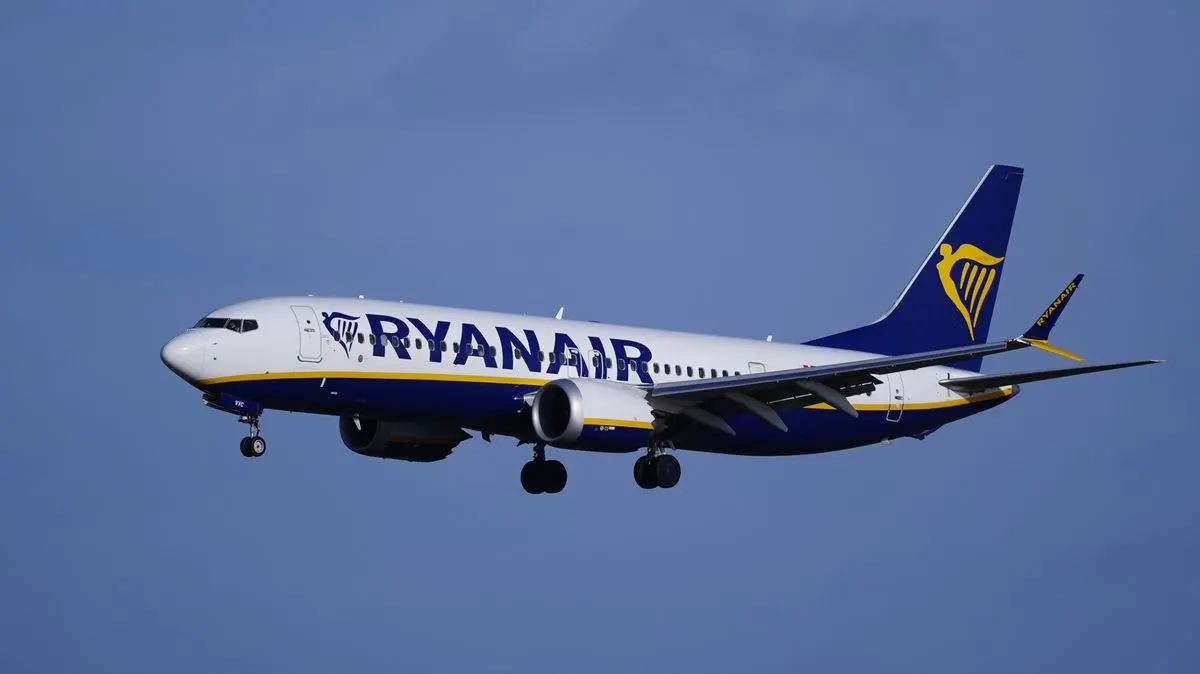
Ryanair flight RK514 diverted to Birmingham Airport on September 13, 2026, following a medical emergency involving a passenger.