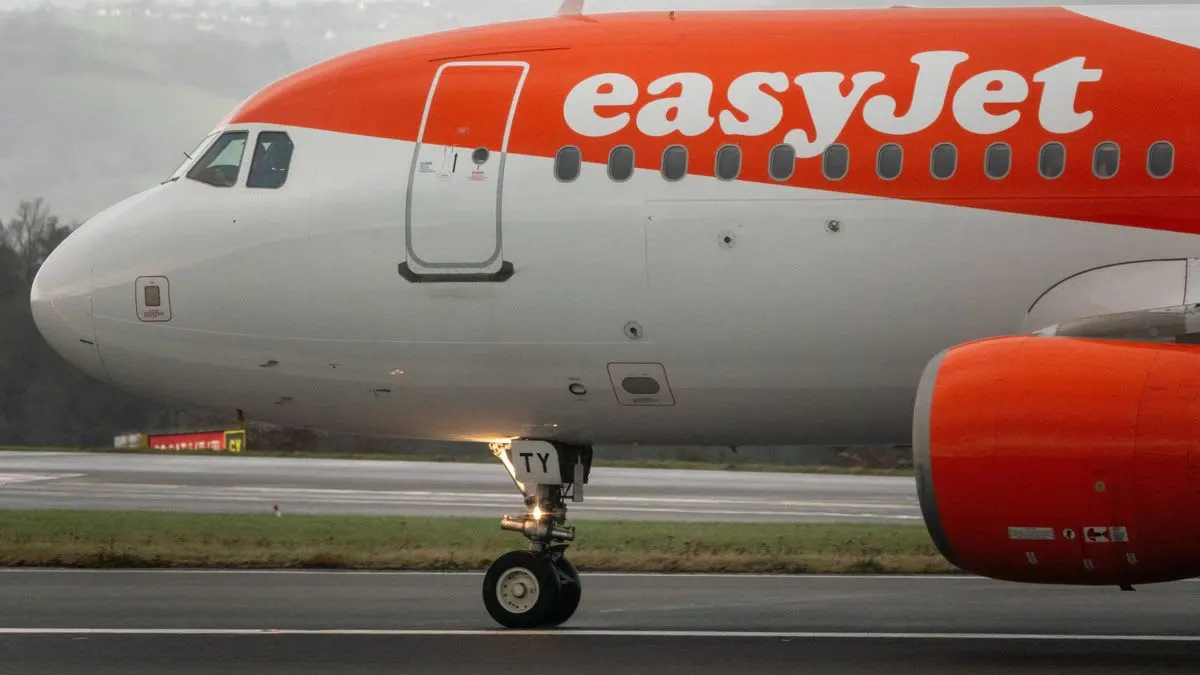
Norse Atlantic Boeing 787-9 RTO Closes Gatwick Runway

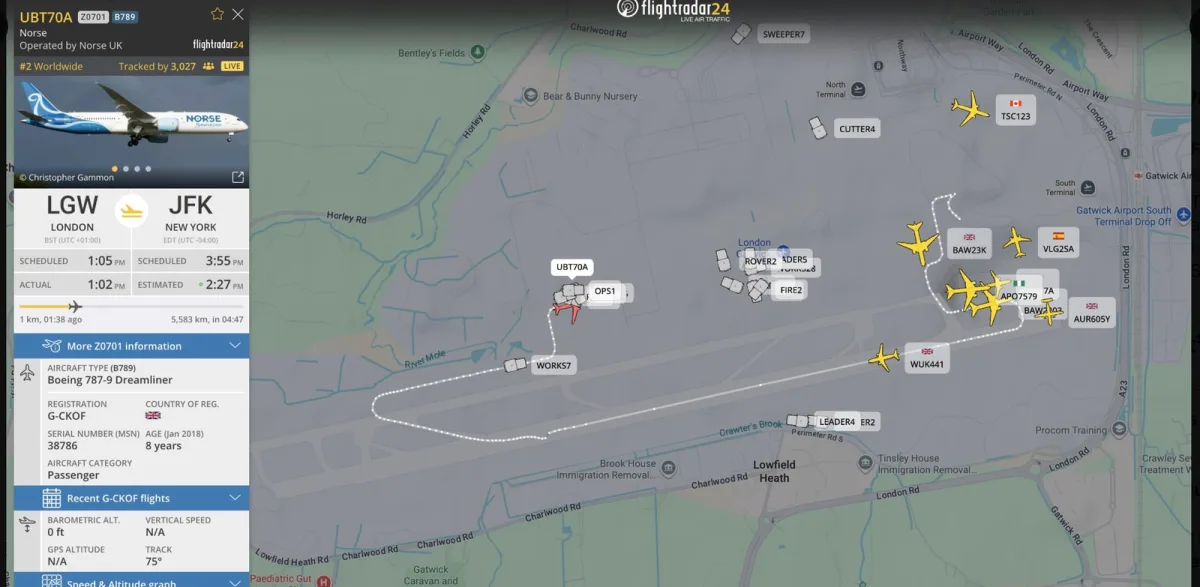
A Norse Atlantic Airways Boeing 787-9 rejected takeoff at London Gatwick, triggering a 50-minute runway closure and over 330 flight delays.
Key Takeaways
- •Norse Atlantic flight Z0701 rejected takeoff at 120 knots.
- •Runway 26L closure lasted 50 minutes at London Gatwick.
- •Over 330 flights experienced delays following the incident.
- •AAIB safety report expected in late 2026.
Operational Impact of the Norse Incident
London Gatwick Airport (LGW) resumed operations following a 50-minute runway closure on September 4, 2026, caused by a Norse Atlantic Airways flight Z0701 incident. The Boeing 787-9 aircraft, registered as G-CKOF and bound for John F. Kennedy International Airport (JFK), performed a Rejected Take-Off (RTO) on runway 26L. The maneuver was initiated at approximately 120 knots following a nose gear fault where the wheels reportedly turned 90 degrees. The disabled aircraft necessitated a full safety inspection by the London Gatwick Airport Authority before the runway could be cleared for normal commercial traffic.
The incident highlights the operational vulnerabilities of LGW, which functions as the world’s busiest single-runway airport. The temporary paralysis resulted in more than 330 flight delays, with an average delay time of 57 minutes. Several inbound flights were forced to divert to London Luton and Stansted airports to avoid the congestion. A spokesperson for the airport confirmed the closure, stating that safety and security remained the primary priority while teams worked to move the aircraft.
Stakeholder and Infrastructure Consequences
For Norse Atlantic Airways, the event caused significant immediate disruption, with the aircraft G-CKOF grounded for comprehensive safety inspections and maintenance. The carrier faces costs related to passenger reaccommodation and compensation for the canceled Z0701 departure. Other operators at the airport, including easyJet, experienced secondary impacts from the disruption, such as missed departure slots and unplanned fuel expenses associated with diversions.
Infrastructure advocates have utilized the incident to highlight the risks of Gatwick’s single-runway dependency. Proponents of the Northern Runway expansion project argue that the closure demonstrates how minor technical failures can create regional bottlenecks. This situation contrasts with the May 2018 incident involving an Air Transat Airbus A330, which also rejected takeoff at Gatwick due to engine issues, similarly halting all operations on the single runway.
Technical Analysis of the Nose Gear Fault
While the specific mechanism of the nose gear failure remains under investigation, the RTO at 120 knots suggests a critical failure in the steering or locking system. In aviation terms, an RTO at high speed puts significant thermal and mechanical stress on the braking system. The fact that the nose gear wheels turned 90 degrees indicates a potential loss of hydraulic or mechanical centering. The Air Accidents Investigation Branch (AAIB) is expected to publish a preliminary safety report in late 2026, which will clarify the sequence of events and whether this mechanical fault is isolated to G-CKOF or indicates a wider maintenance concern for the Boeing 787-9 fleet.
What Comes Next for LGW Operations
The AAIB investigation will be the primary milestone for this incident. Aviation professionals and stakeholders are awaiting the release of the preliminary safety findings, expected by late 2026. In the interim, Norse Atlantic Airways must complete its internal safety review and obtain airworthiness clearance before returning G-CKOF to service. For Gatwick, the event serves as a stress test of its contingency protocols, with the airport continuing to manage high traffic volumes while navigating the constraints of its single-runway design.
Why This Matters for Airport Capacity
This incident underscores the fragility of high-density, single-runway operations in the global aviation network. For passengers and airlines, the 50-minute closure serves as a reminder of how quickly operational throughput can collapse when infrastructure lacks redundancy. The event reinforces the ongoing debate regarding airport expansion and the need for robust incident response strategies to mitigate the ripple effects of technical malfunctions on commercial flight schedules.
Frequently Asked Questions
- Why did the Norse Atlantic Airways flight reject takeoff at Gatwick?
- The Boeing 787-9 flight Z0701 rejected takeoff at 120 knots due to a nose gear fault where the wheels reportedly turned 90 degrees.
- How long was the runway closed at London Gatwick Airport?
- The runway was closed for 50 minutes to allow for a safety inspection and the removal of the disabled aircraft.
Stay ahead of the airline industry with commercial aviation news from omniflights.com. From aircraft production to supply chains, commercial aviation manufacturing news is covered at omniflights.com/manufacturing.

Written by Shashank Shukla
Co-Founder & CTO leading the engineering and AI systems behind Omni Flights. Covers aviation technology, flight safety, aircraft manufacturing, and emerging aerospace developments.
Visit ProfileYou Might Also Like
Israel Bans United Airlines Pilot Over Pro-Iran Posts

Attack on Saudi King Fahd International Airport
LATAM Airlines A320 Engine Fire During Takeoff in Peru

Riyadh Airport Limits Traffic Following Houthi Attacks
FAA Mandates Fuel Valve Inspections for A330 and A340