Melbourne Airport Named Best in Pacific Amid $4.5B Expansion

Co-Founder & CEOAviation News Editor delivering trusted coverage across the global aviation industry.
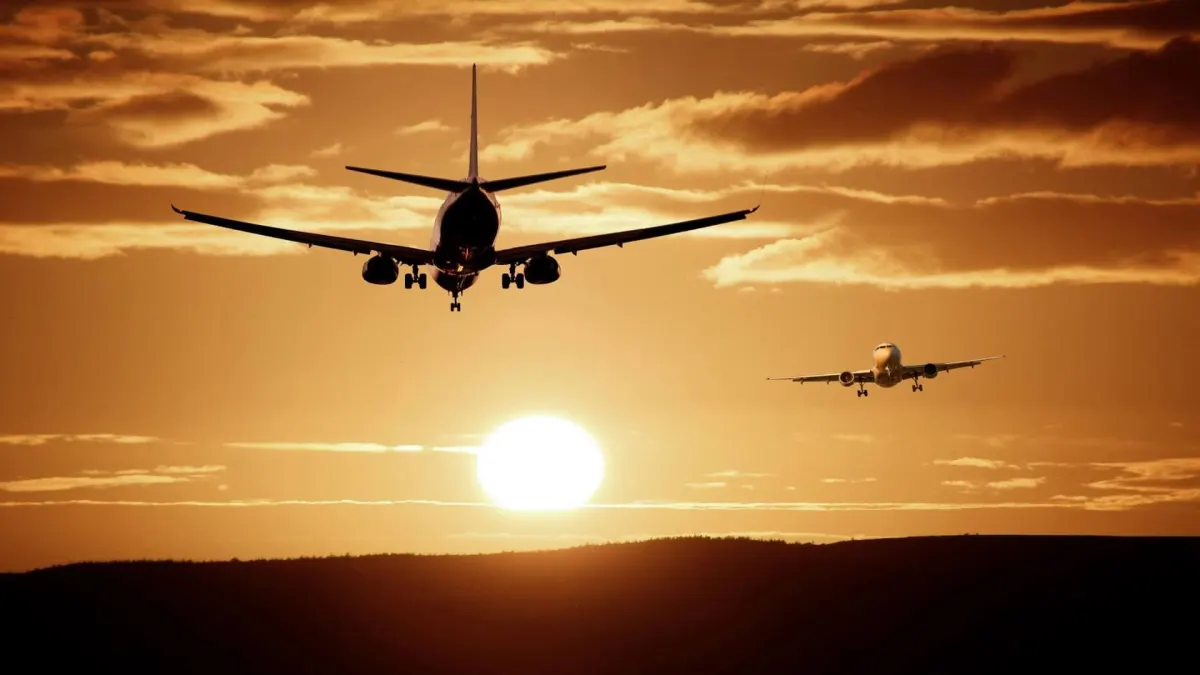
Melbourne Airport was named best in the Australia-Pacific region by Skytrax as it begins a $4.5B expansion to handle record passenger growth.
Key Takeaways
- •Named Best Airport in Australia/Pacific by Skytrax for the 6th time in 7 years.
- •Launches a $4.5 billion expansion to add 5 new international gates and handle record passenger numbers.
- •CEO urges government to replace paper arrivals cards and upgrade border technology before the Brisbane 2032 Olympics.
- •Processed a record 1.26 million international passengers in January 2026.
Melbourne Airport (MEL) has been named the best airport in Australia and the Pacific at the 2026 Skytrax World Airport Awards. This marks the sixth time in seven years that the airport has secured the top regional honor, reinforcing its position as a key hub in the area. The award comes as the airport prepares to undertake a $4.5 billion expansion of its international terminal to accommodate record-breaking passenger traffic and future growth.
The recognition coincides with a period of significant operational demand. According to Melbourne Airport, its international terminals processed more than 1.26 million passengers in January 2026, the busiest month on record. This surge in traffic underscores the necessity of the planned infrastructure upgrades, which are part of a wider trend of major investments by Australian airports to handle post-pandemic passenger growth.
Expansion and Growth
The multi-billion dollar upgrade is focused on increasing capacity and improving passenger experience at the international terminal. Key components of the project include the addition of five new aircraft gates, allowing for more flexible scheduling for international airlines. The check-in area and baggage halls will also be significantly expanded to streamline passenger flow.
This expansion supports the airport's success in attracting new international carriers. Over the past six months, Delta Air Lines and Hong Kong Airlines have commenced services to Melbourne. Furthermore, Finnair and British Airways are scheduled to begin operations within the next year, adding to the airport's growing global network.
CEO Cites Infrastructure Challenges
Despite the accolade, Melbourne Airport CEO Lorie Argus highlighted critical areas where government-controlled infrastructure lags behind the airport's own investments. In a statement, Argus noted that while airport staff are the "secret sauce," the passenger experience is often let down by outdated border technology.
"We're processing record international passenger numbers through the same amount of immigration kiosks we had a decade ago while still requiring travellers to fill out a paper arrivals card," Argus said. She emphasized the urgent need for modernization, particularly with the Brisbane 2032 Olympics approaching. "We'll continue to work with government and our local agencies on this, at the same as investing for the future." The requirement for a physical arrivals document, managed by the Australian Border Force, is seen as a significant bottleneck in passenger processing.
This call for digitization mirrors historical precedents. In May 2019, the UK government abolished its own paper landing cards for international arrivals specifically to speed up border processing, a move that provides a clear template for the changes sought by Australian aviation leaders.
Global and Regional Rankings
In the broader Skytrax World Airport Awards, Singapore Changi Airport (SIN) was once again crowned the world's best. Incheon International Airport and Tokyo International Airport (HND), also known as Haneda, secured the second and third positions, respectively. Within the Australia-Pacific region, Brisbane Airport (BNE) was ranked second behind Melbourne, with Sydney Airport (SYD) taking third place.
Notably, Hamad International Airport (DOH) in Qatar, which was a top contender in previous years, withdrew from the 2026 competition. The airport cited ongoing regional conflict as the reason for its absence, stating, "The safety and wellbeing of our passengers, our staff, and their families is, and remains, our absolute priority."
What Comes Next
The Melbourne Airport expansion will be rolled out in stages. A new pick-up and drop-off zone, part of a new T123 Transport Hub, is confirmed to open in September 2026. Looking further ahead, the airport's proposed third runway is expected to be completed by 2031, adding crucial airfield capacity. These developments are all part of a long-term strategy to ensure the airport can handle demand leading up to and beyond the Brisbane 2032 Olympic Games.
Why This Matters
Melbourne Airport's dual status as an award-winning hub embarking on a major expansion highlights a critical dynamic in Australian aviation. While airports are investing billions in private capital to upgrade terminals and airside infrastructure, their efficiency is directly impacted by the pace of government-led modernization of border control systems. The CEO's public call to action places pressure on federal agencies to digitize passenger processing, a move seen as essential to maintaining Australia's competitiveness and capacity ahead of major international events.
For global airline trends and commercial aviation news, turn to omniflights.com. Follow aviation sustainability efforts, emissions research, and green initiatives in the Environmental section at omniflights.com/environmental.
Written by Hardik Vishwakarma
Co-Founder & Aviation News Editor leading initiatives that improve trust and visibility across the global aviation industry. Covers airlines, airports, safety, and emerging technology.
Visit ProfileYou Might Also Like
Discover more aviation news based on similar topics
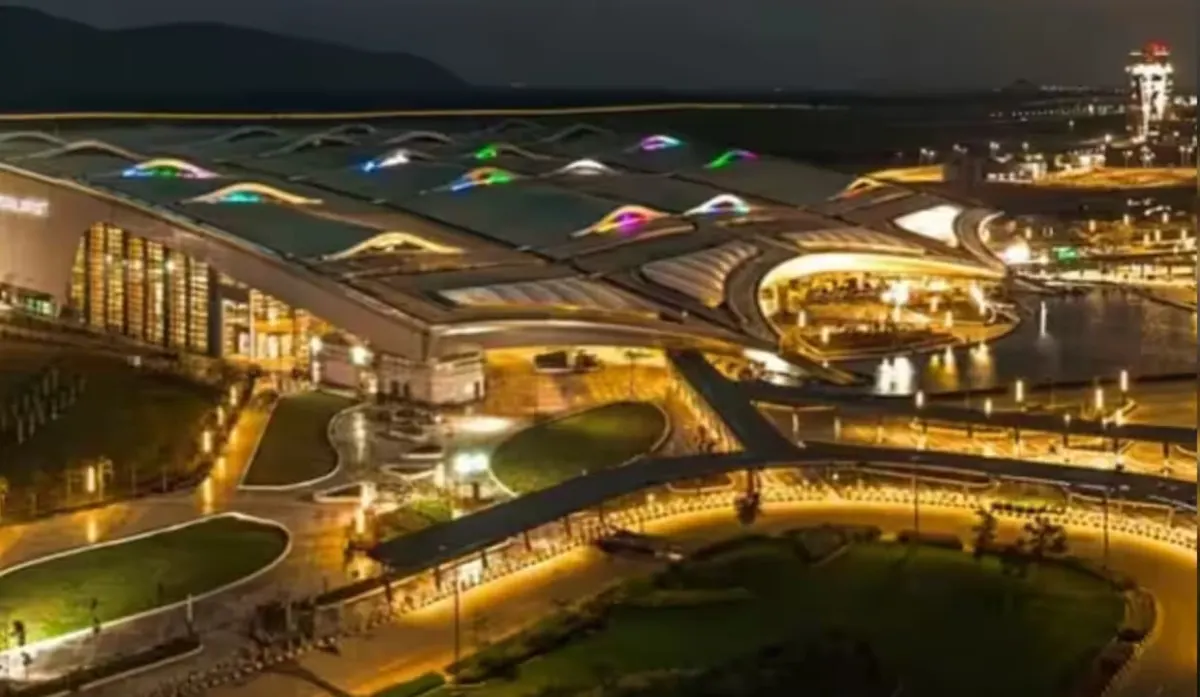
IndiGo Opens Commercial Flights at Bhogapuram
IndiGo launched the first commercial flight to the new Rs 5,700 crore Bhogapuram Airport, shifting civilian traffic from the old civil enclave.

Sydney Airport Master Plan 2045 Approved
The Australian government approved Sydney Airport's Master Plan 2045, enabling terminal integration to handle 72.6 million passengers by 2045.
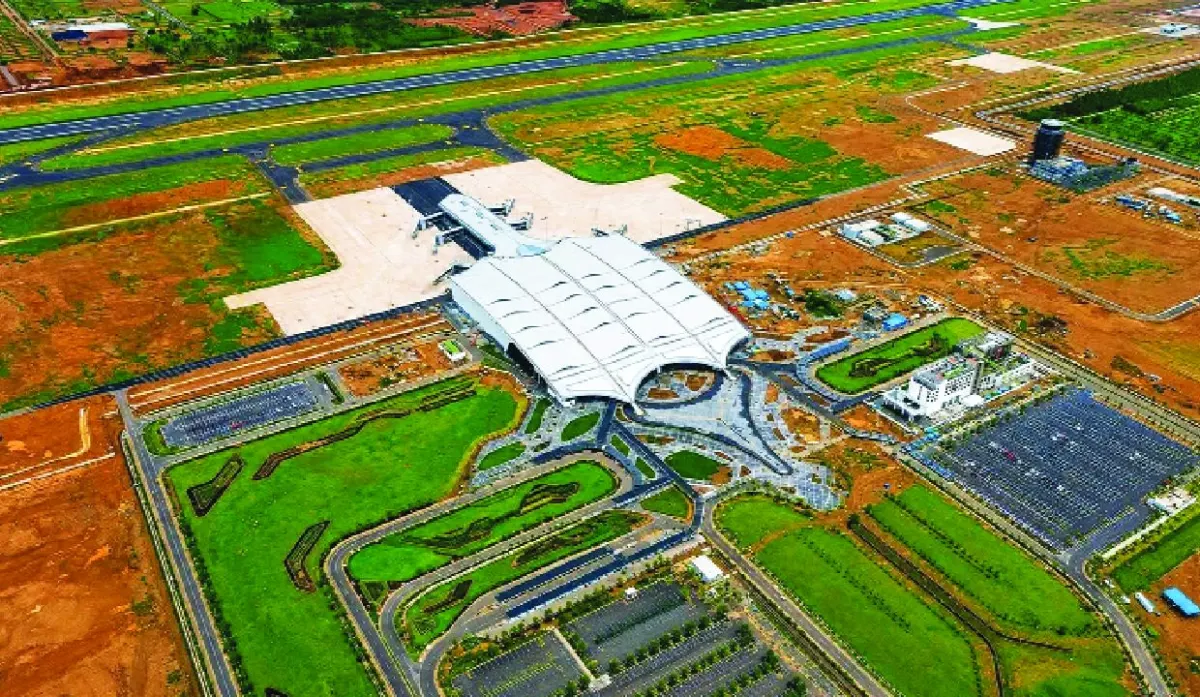
Visakhapatnam Airport Ends Commercial Flights for 30 Years
Visakhapatnam Airport ended scheduled commercial flights ahead of Bhogapuram's opening, triggering a 30-year moratorium on civil operations.
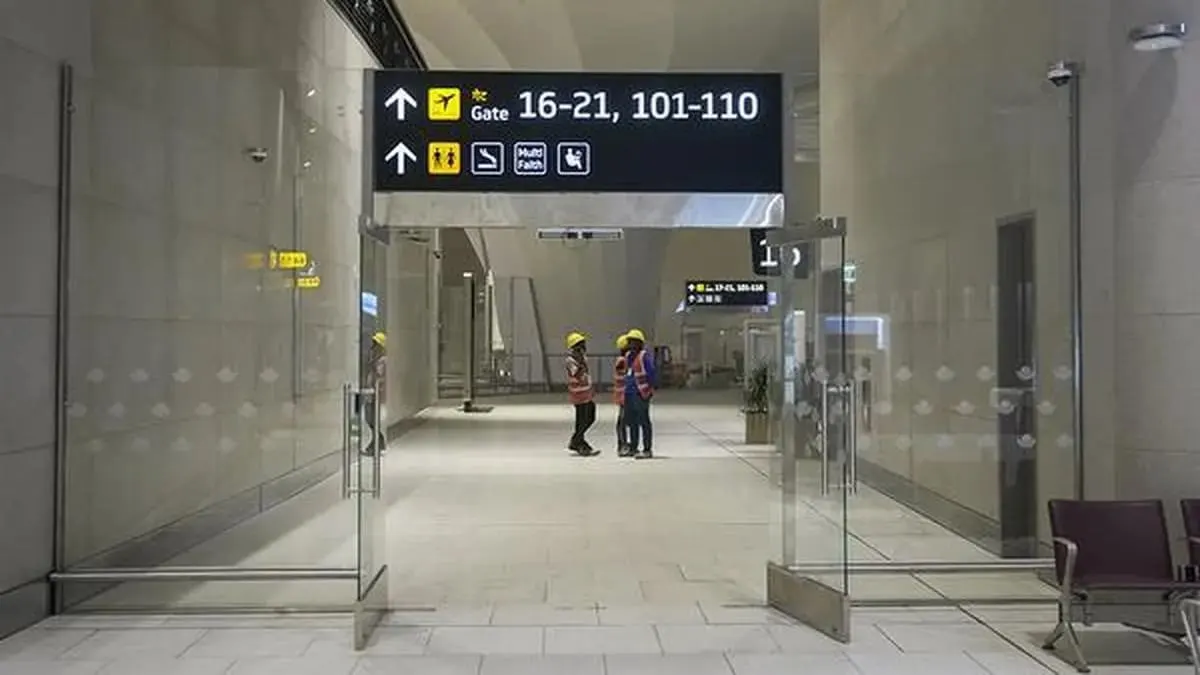
NMIA Approves 13 Airlines for Cargo Operations
NMIA has approved 13 international airlines to launch freighter flights, accelerating Mumbai's transition to a dual-airport cargo system.

Hong Kong Air Cargo Lands First Navi Mumbai Freighter
Hong Kong Air Cargo launched flights to Navi Mumbai, marking the airport's first international freighter service with 6 weekly movements.

ENAC Suspends Catania Flights Amid Mount Etna Eruption
ENAC suspended operations at Catania Airport due to a Mount Etna eruption, resulting in 700 flight cancellations and massive regional diversions.