Lufthansa Technik Gains EASA Cabin Certification Privilege

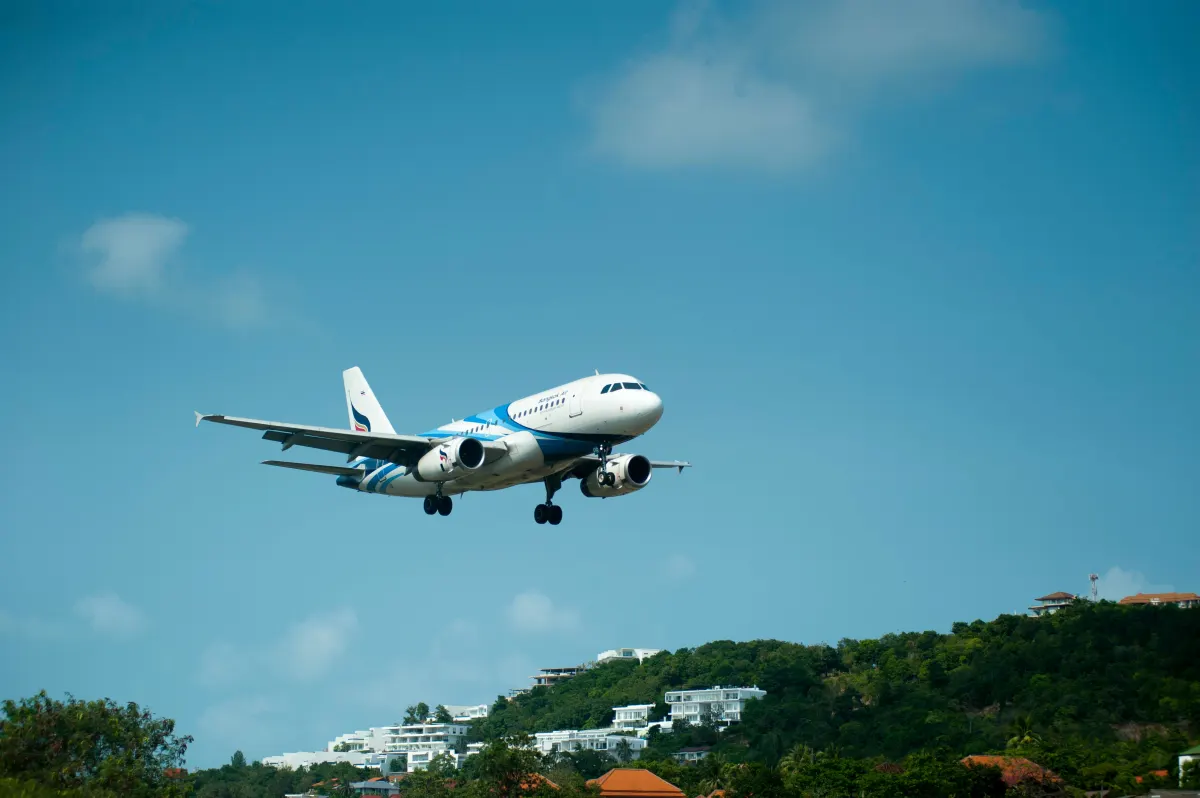
EASA has granted Lufthansa Technik the authority to independently certify Airbus A320ceo cabin modifications, reducing certification costs by 20%.
Key Takeaways
- •EASA grants Lufthansa Technik independent STC approval for A320ceo cabin mods.
- •Certification costs for A320ceo cabin retrofits are expected to drop by 20%.
- •Streamlined process reduces aircraft downtime for A320ceo operators globally.
- •Delegation reflects EASA's trend of empowering trusted design organizations.
The European Union Aviation Safety Agency (EASA) has officially granted Lufthansa Technik the 'Certain Supplemental Type Certificate (STC) Privilege.' This regulatory milestone allows the Maintenance, Repair, and Overhaul (MRO) provider to independently approve specific major modifications for Airbus A320ceo (Current Engine Option) cabin interiors, bypassing the traditional, project-by-project review process previously required by the regulator. By leveraging this EASA Certain STC Privilege, the company aims to optimize internal engineering workflows and improve market responsiveness for global airline clients.
Operational and Financial Impact
This delegation of authority is expected to have a tangible impact on the economics of aircraft retrofits. According to Uwe Schueler, Vice President of Design Organisation Approval (DOA) at Lufthansa Technik, this streamlined approach is projected to reduce certification costs for applicable A320ceo cabin projects by up to 20%. For airlines operating older narrowbody fleets, this reduction in overhead, combined with faster turnaround times, provides a significant incentive to proceed with cabin refurbishments and wireless inflight entertainment upgrades. The Lufthansa Technik Cabin Modification Services portal highlights that these upgrades are increasingly vital for meeting sustainability goals and evolving passenger expectations.
Regulatory Context and Precedent
Under the Part 21J regulatory framework, EASA delegates specific certification tasks to organizations that demonstrate a high degree of technical maturity and safety management. The new privilege represents a logical progression in the agency's oversight strategy. In 2017, EASA granted Lufthansa Technik the authority to approve Electronic Flight Bag and Aircraft Interface Device integrations as minor changes. This historical precedent demonstrates a clear regulatory trajectory of incrementally delegating more complex certification authority to trusted design organizations. The EASA Design Organisations (DOA) portal provides further detail on how these privileges are structured to maintain safety standards while improving administrative efficiency.
Industry Trends and Competitive Landscape
As the aviation industry faces pressure to modernize aging fleets, the demand for cabin retrofits has surged. Airlines are increasingly investing in cabin refurbishments for the A320ceo family to extend the economic viability of these assets. This trend is driving MRO retrofit market growth above standard line-fit rates. While Lufthansa Technik gains a clear competitive advantage through this accelerated certification capability, competing European MRO providers may now face pressure to pursue similar delegation privileges to match these improved timelines and cost structures. By shifting routine cabin certification responsibilities to industry partners, EASA effectively reduces its own bureaucratic backlog, allowing agency personnel to focus on higher-risk, next-generation aircraft certification programs.
Technical Analysis
The granting of this privilege reflects a structural shift in the relationship between regulators and major MRO providers. Historically, the burden of proof for major modifications rested heavily on the regulator’s internal engineering teams. Today, the industry is moving toward a model of 'earned trust,' where organizations with robust safety management systems are empowered to self-certify within defined parameters. This development indicates that the future of MRO efficiency lies in the digitization and decentralization of the certification process. As the A320ceo fleet continues to serve as the backbone of short-to-medium-haul networks, the ability to rapidly iterate cabin configurations will become a key differentiator for operators and service providers alike.
What Comes Next
Lufthansa Technik is expected to immediately begin utilizing the new privilege for upcoming cabin reconfiguration projects. The company will continue to operate under the oversight of EASA to ensure that its internal processes remain aligned with current safety standards. Future expansions of this privilege to other aircraft families remain subject to ongoing performance reviews and regulatory audits, though the success of this A320ceo pilot program is expected to serve as a blueprint for future delegation agreements.
Frequently Asked Questions
- What is the EASA Certain STC Privilege granted to Lufthansa Technik?
- The privilege allows Lufthansa Technik to independently certify major cabin modifications for Airbus A320ceo aircraft without needing direct, per-project oversight from EASA.
- How will this regulatory change impact airline operators?
- Operators can expect reduced aircraft downtime and lower certification costs for cabin reconfigurations, helping to extend the economic life of their A320ceo fleets.
Get breaking commercial aviation news and expert airline analysis at omniflights.com. Discover how innovation is shaping aviation through aircraft systems, avionics, and digital tools at omniflights.com/technology.

Written by Hardik Vishwakarma
Co-Founder & Aviation News Editor leading initiatives that improve trust and visibility across the global aviation industry. Covers airlines, airports, safety, and emerging technology.
Visit ProfileYou Might Also Like
FAA Clears Boeing 737 MAX 10 Software Glitch

FAA Faces $3.5 Billion Shortfall in ATC Modernization
FAA Pauses Flights into LAX Due to Staffing Shortages
FAA Proposes Ending Overland Supersonic Flight Ban

DOT Rule Exempts Airlines From Cyberattack Delay Costs