Lufthansa A380 Diverts to Boston After Passenger Assault

Co-Founder & CEOAviation News Editor delivering trusted coverage across the global aviation industry.
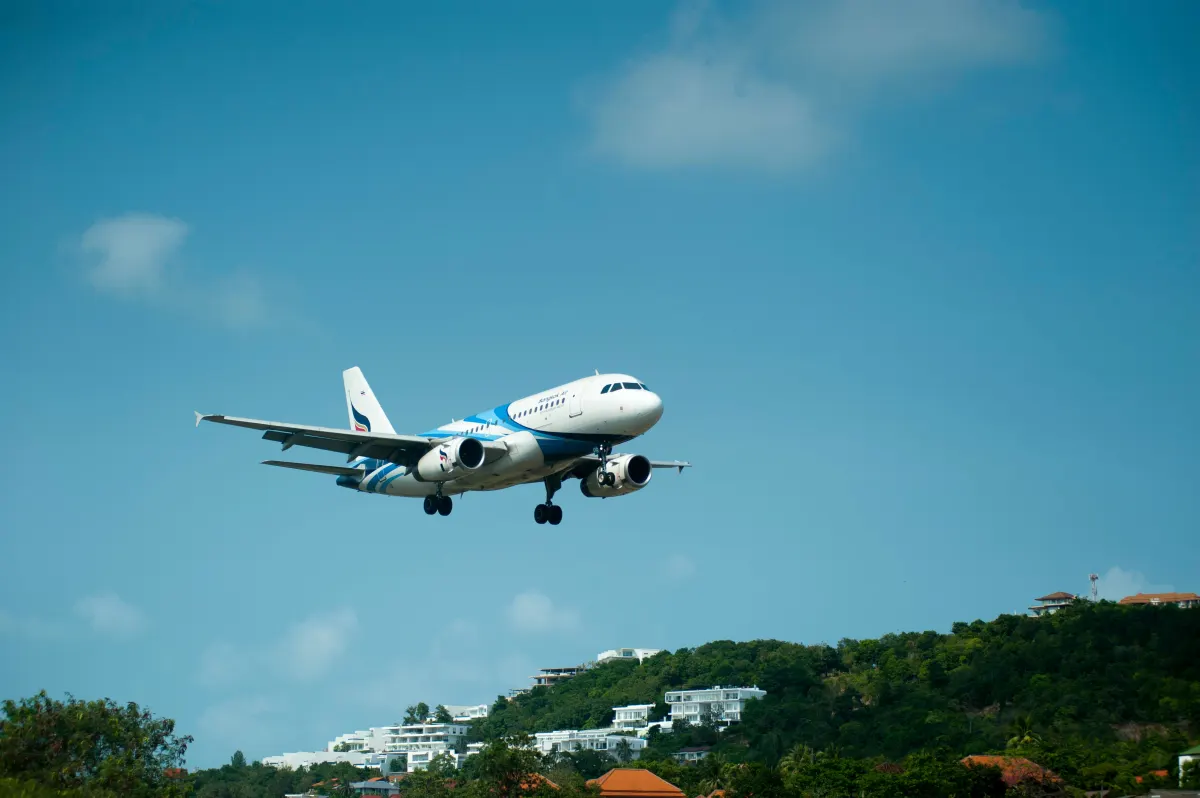
Lufthansa flight LH459 diverted to Boston Logan after an in-flight passenger assault, impacting 508 travelers on the San Francisco to Munich route.
Key Takeaways
- •Lufthansa flight LH459 diverted to Boston with 508 passengers on board.
- •The diversion followed an in-flight passenger assault mid-transatlantic crossing.
- •Suspect faces potential federal charges under 49 U.S. Code § 46504.
- •EU261 compensation is exempt due to the extraordinary nature of the assault.
Lufthansa A380 Emergency Diversion
A Lufthansa A380-800 operating flight LH459 from San Francisco International Airport (SFO) to Munich Airport (MUC) was forced to make an unscheduled landing at Boston Logan International Airport (BOS) on June 11, 2026. The Lufthansa A380 diversion was initiated following an unruly passenger assault mid-flight, which necessitated immediate intervention to ensure the safety of the 508 passengers and crew on board.
According to official statements, the aircraft was airborne for approximately 7 hours and 28 minutes before diverting. Upon landing in Boston, the offending passenger was apprehended by the Massachusetts State Police and taken into custody. The flight later continued to its final destination in Germany, though the unscheduled stop caused significant operational delays for all passengers on board.
Operational and Financial Impact
The diversion of a superjumbo aircraft like the A380 represents a substantial financial and logistical burden for the carrier. Diverting such a high-capacity jet incurs hundreds of thousands of dollars in costs, including additional fuel burn, unscheduled landing fees, and crew duty-time violations. Furthermore, the incident triggers the European Union Flight Compensation Regulation 261/2004 (EU261) extraordinary circumstances clause. Because the diversion resulted from an unprovoked assault, passengers are ineligible for mandatory cash compensation, leaving many to bear the brunt of the significant travel disruption.
Regulatory and Security Context
This incident adds to a troubling industry trend of disruptive behavior. While the Federal Aviation Administration (FAA) reports that unruly passenger incidents have declined by approximately 80% since their 2021 peak, the frequency remains markedly higher than pre-pandemic levels. As of mid-May 2026, the FAA had already recorded 608 reports of unruly passenger behavior in the United States. Under the FAA Zero-Tolerance Policy, individuals who interfere with flight crew or assault fellow travelers face severe civil penalties, with fines reaching up to $43,658 per violation. Additionally, under 49 U.S. Code § 46504, the suspect could face federal criminal charges, which carry potential prison sentences of up to 20 years.
Technical Comparison: A380 vs. 747-8
| Metric | Airbus A380-800 | Boeing 747-8 Intercontinental |
|---|---|---|
| Typical Capacity | 500-520 passengers | 410-460 passengers |
| Max Takeoff Weight | 1,268,000 lbs | 987,000 lbs |
| Infrastructure Requirement | Code F | Code E/F |
Managing In-Flight Security
Modern aviation security protocols rely on strict de-escalation training to manage hostile environments. Carriers have increasingly extended mandatory training programs, often exceeding 160 hours, to ensure cabin crews can effectively neutralize threats. The IATA Unruly Passengers Program provides the global framework for these procedures, emphasizing that the safety of the flight path remains the primary priority during any security breach.
Historically, similar events, such as the 2024 Frontier Airlines diversion to Ontario, have established a clear precedent for immediate landing and federal prosecution. These patterns demonstrate that airlines prioritize the removal of violent individuals over the cost of the diversion, maintaining a firm stance against in-flight violence.
What Comes Next: Legal Proceedings
The suspect remains in custody as federal authorities review the case. It is expected that the U.S. Department of Justice will move toward filing formal federal charges by Q3 2026. The FAA is also conducting a parallel review to determine the full extent of civil penalties applicable to the incident. Passengers impacted by the delay will continue to navigate the aftermath of the disruption, while the airline works to reconcile the operational costs associated with the unscheduled Boston stop.
Why This Matters for Airline Operations
This event underscores the persistent operational risk that unruly passengers pose to long-haul, high-capacity routes. For airlines, the financial hit of a diverted superjumbo is significant, but the alternative—continuing a flight with an active threat on board—is not a viable safety option. This incident signals that despite improved post-pandemic behavior, the aviation industry remains vulnerable to individual acts of aggression that can derail complex, multi-million dollar flight operations.
Frequently Asked Questions
- What is the FAA's policy on passengers who assault others in-flight?
- Under the FAA's Zero-Tolerance Policy, passengers who assault others or interfere with crew duties face strict legal enforcement, including civil fines up to $43,658 per violation and potential federal criminal charges.
- Are passengers eligible for compensation for this Lufthansa diversion?
- No, passengers are generally ineligible for cash compensation under EU261/2004 in this case. The regulation includes an 'extraordinary circumstances' exemption for events outside the airline's control, such as an unprovoked in-flight assault.
Access up-to-date commercial aviation news and airline industry developments via omniflights.com. Follow aviation sustainability efforts, emissions research, and green initiatives in the Environmental section at omniflights.com/environmental.
Written by Hardik Vishwakarma
Co-Founder & Aviation News Editor leading initiatives that improve trust and visibility across the global aviation industry. Covers airlines, airports, safety, and emerging technology.
Visit ProfileYou Might Also Like
Discover more aviation news based on similar topics
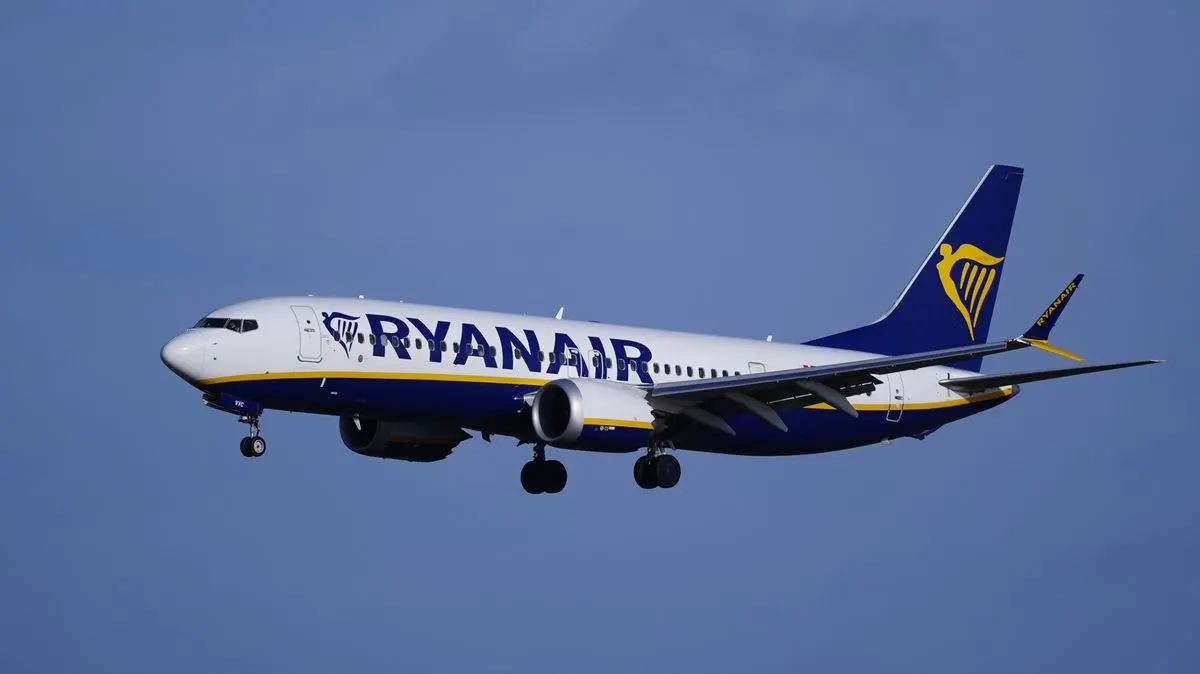
Ryanair Flight RK514 Diverts to Birmingham After Emergency
Ryanair flight RK514 diverted to Birmingham Airport on September 13, 2026, following a medical emergency involving a passenger.
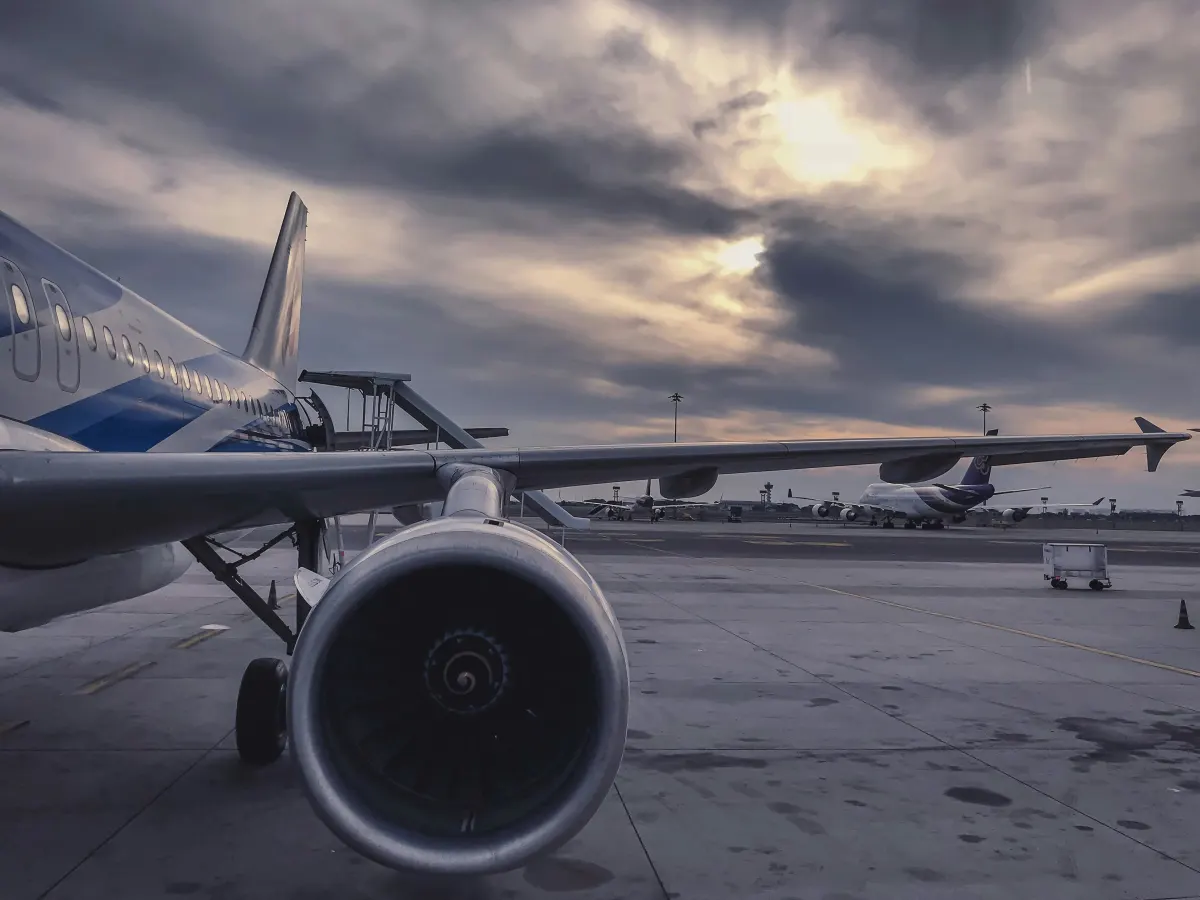
Amazon Suspends 21 Air After Fatal Miami 767 Runway Overrun
Amazon has suspended operations with 21 Air following a fatal Boeing 767 runway overrun at Miami International Airport that resulted in five deaths.
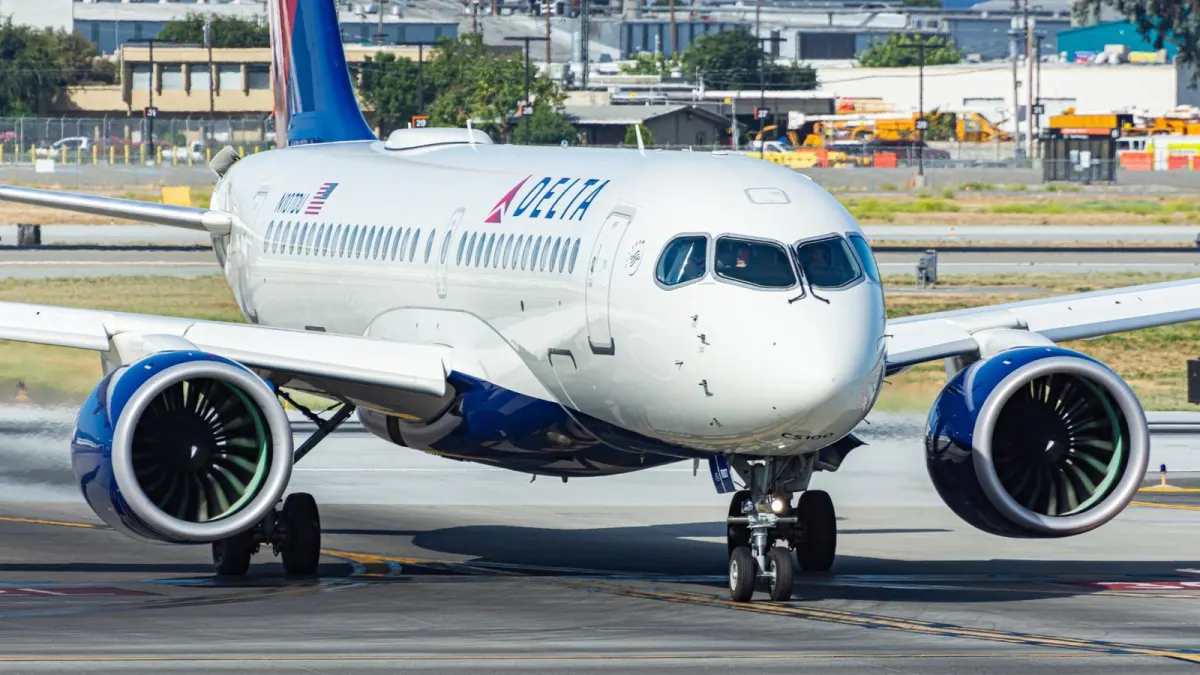
FAA Proposes A220 Fuel Line Inspections for US Operators
The FAA issued a proposed directive requiring inspection of motive-flow fuel lines on 13 US-registered Airbus A220s to prevent potential leaks.
NATS Denies Military Jet Role in UK ATC Outage
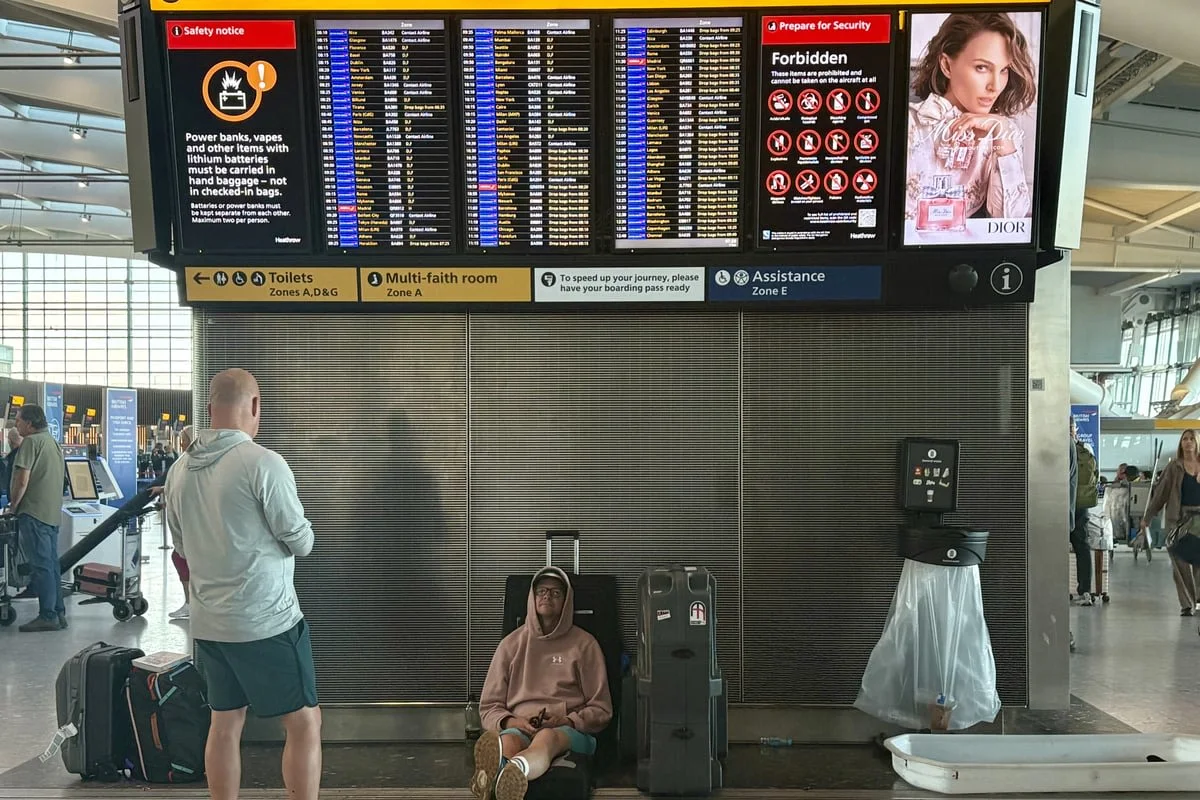
The UK Ministry of Defence denied its aircraft caused a NATS outage that led to over 2,000 flight cancellations and calls for CEO resignation.
21 Air Miami Crash: NTSB Investigates 767 Runway Overrun
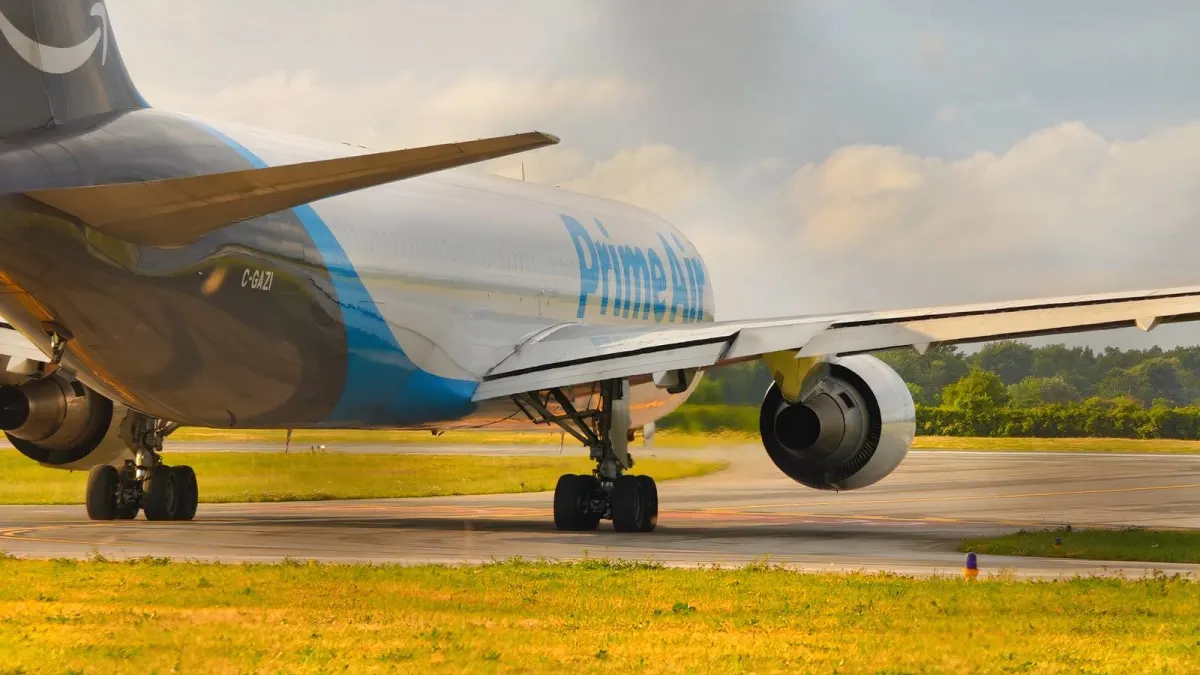
A fatal 21 Air Boeing 767 crash at Miami International Airport has triggered an NTSB investigation amid scrutiny of Amazon Air's contract oversight.

Amazon Cargo Plane Crash: 5 Remembered After MIA Excursion
Five cleaning crew members died after an Amazon-contracted Boeing 767 overran the runway at Miami International Airport at 158 knots.