Louisiana Offers National Guard to Assist TSA Amid DHS Shutdown

Co-Founder & CEOAviation News Editor delivering trusted coverage across the global aviation industry.
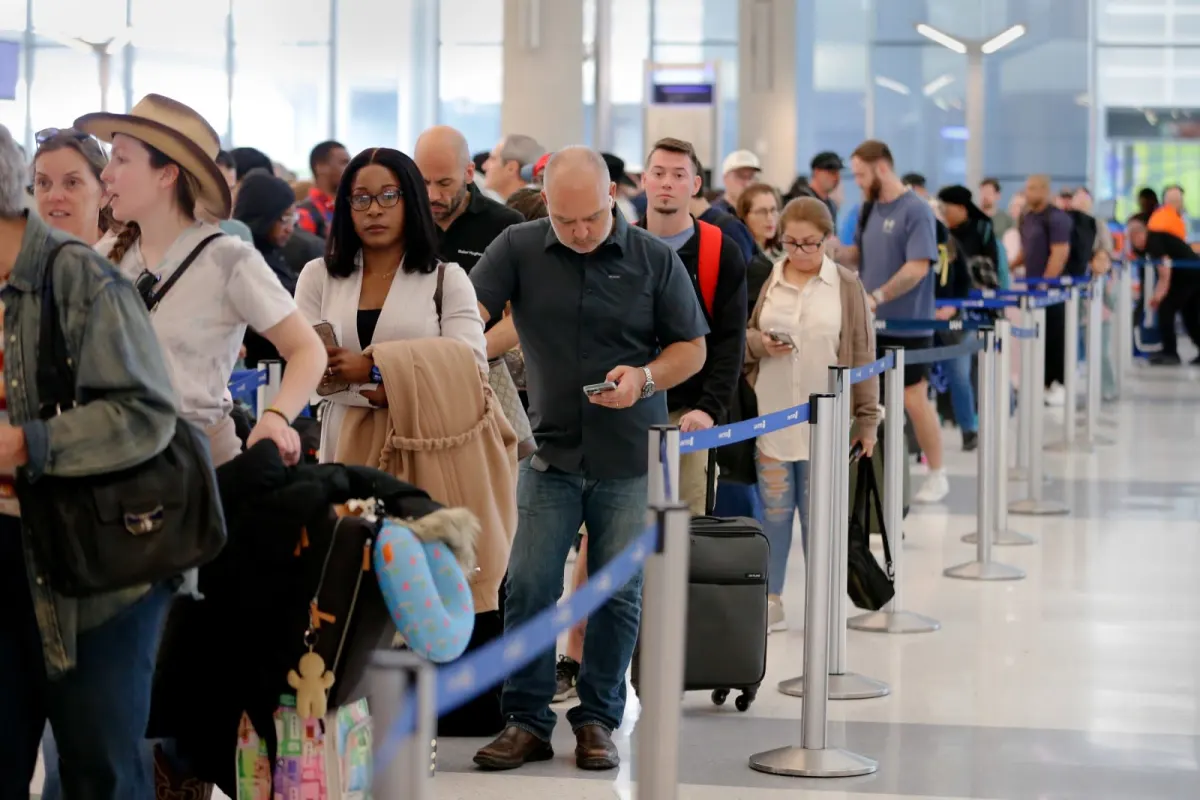
Louisiana's governor offered the National Guard to assist at airports as the White House deploys ICE agents to manage security lines from a DHS shutdown.
Key Takeaways
- •Louisiana governor offers National Guard to assist with airport security amid a federal funding lapse.
- •President Trump has authorized the deployment of ICE agents to airports to manage growing security lines.
- •Results from a partial DHS shutdown leaving 50,000 TSA workers unpaid, with over 300 resignations.
- •Causes severe airport delays as TSA call-out rates have surged to 55% at some hubs.
Amid a partial government shutdown impacting the Department of Homeland Security (DHS), Louisiana Governor Jeff Landry has offered to deploy the state's National Guard to assist the Transportation Security Administration (TSA) at Louisiana airports. The proposal, which requires presidential approval, comes as the White House announced that agents from U.S. Immigration and Customs Enforcement (ICE) would be sent to airports nationwide to manage escalating security wait times.
The staffing crisis stems from a partial DHS funding lapse that began on February 14, 2026, leaving approximately 50,000 TSA employees working without pay. The situation has led to a significant increase in unscheduled absences and resignations, with more than 300 agents having resigned according to a DHS press release. For commercial airline passengers, the direct impact has been multi-hour security lines and suspended courtesy services during a peak travel period, forcing airport authorities to manage unprecedented crowd control challenges.
Shutdown Spurs Unconventional Security Measures
The funding stalemate is rooted in a legislative disagreement over immigration enforcement policies. The dispute intensified following the fatal shootings of two U.S. citizens by federal agents in Minneapolis in January, prompting some lawmakers to withhold support for DHS funding until reforms are enacted. A bill to fund the agency failed to advance in the Senate, leading to the ongoing shutdown.
In response to the growing operational strain, President Donald Trump announced that ICE agents would be deployed to airports starting March 23. According to Border Czar Tom Homan, these agents will primarily handle logistical and crowd-control duties, such as guarding exits, rather than conducting passenger screening. This distinction is critical, as TSA screening personnel are required to meet specific Federal Aviation Security Standards (49 CFR Chapter XII), which mandate specialized training and certification that ICE agents do not possess.
Governor Landry’s proposal to use the Louisiana National Guard would similarly require federal authorization. Any such deployment would be governed by Title 32 of the U.S. Code, which allows for state-controlled mobilization with federal funding under the authority of the Department of Defense (DOD). The roles and legal authorities of Guard members at federal security checkpoints would need to be clearly defined to ensure compliance with aviation security regulations.
Operational Impact and Industry Response
The impact on TSA's workforce has been severe. Beyond the more than 366 nationwide resignations, call-out rates have surged. Houston Hobby International Airport (HOU) recorded a single-day callout rate of 55% on March 14. This widespread attrition places immense pressure on remaining officers who are working without pay, creating significant financial strain for frontline personnel.
The deployment of non-TSA personnel has drawn sharp criticism from labor groups. Everett Kelley, National President of the American Federation of Government Employees (AFGE), which represents TSA officers, argued that deploying untrained personnel creates dangerous security gaps. "ICE agents lack the specialized training and certification required for aviation security," Kelley stated, warning the move could compromise safety. This sentiment was echoed by House Minority Leader Hakeem Jeffries, who criticized the deployment of untrained armed agents to airports as a potential risk to the public.
Historical Context and Future Outlook
The current situation mirrors challenges seen during the 2018-2019 federal government shutdown. During that 35-day funding lapse, TSA absence rates peaked at 10%, forcing the closure of security checkpoints at major hubs like Miami International Airport and George Bush Intercontinental Airport. The current crisis, with call-out rates reaching as high as 55% at some airports, suggests a more severe operational disruption than the previous shutdown.
This development underscores the vulnerability of the national aviation system to federal funding disputes. The use of ICE and potentially the National Guard represents an unprecedented response to a workforce shortage driven by political gridlock, raising fundamental questions about the roles of law enforcement and military personnel in civilian airport operations.
What Comes Next
The deployment of ICE agents to major U.S. airports is confirmed to begin on March 23, according to DHS. A decision from the White House and the Department of Defense regarding Governor Landry's offer to deploy the Louisiana National Guard is still pending. As the shutdown continues without a clear resolution, airports and passengers should anticipate continued delays and the presence of non-TSA personnel at security checkpoints.
Why This Matters
This situation highlights a critical intersection of federal politics, immigration policy, and national aviation security. The deployment of law enforcement and military units to manage airport screening lines establishes a new precedent for handling federal shutdowns. For the aviation industry, it signals a significant operational vulnerability tied to political disputes, potentially impacting passenger confidence and security standards long after the funding issue is resolved.
Stay ahead of the airline industry with commercial aviation news from omniflights.com. For reporting on UAP sightings, investigations, and aviation-related encounters, see the UAPs section at omniflights.com/uaps.
Written by Hardik Vishwakarma
Co-Founder & Aviation News Editor leading initiatives that improve trust and visibility across the global aviation industry. Covers airlines, airports, safety, and emerging technology.
Visit ProfileYou Might Also Like
Discover more aviation news based on similar topics

FAA Faces $3.5 Billion Shortfall in ATC Modernization
FAA Administrator Bryan Bedford reported a $3.5 billion shortfall for the Brand New Air Traffic Control System, totaling $16 billion for Phase One.
FAA Pauses Flights into LAX Due to Staffing Shortages
The FAA issued a temporary ground stop for flights bound for LAX on Monday morning due to staffing shortages at the Southern California TRACON.

FAA Proposes Ending Overland Supersonic Flight Ban
The FAA has proposed a new performance-based noise standard to replace the 1973 ban on overland supersonic flight, enabling future commercial travel.

DOT Rule Exempts Airlines From Cyberattack Delay Costs
Starting October 19, 2026, the DOT will allow airlines to withhold meal and hotel vouchers for delays caused by cyberattacks and nine other events.

Wizz Air, Ryanair Demand NATS Reform After ATC Failure
Wizz Air and Ryanair are calling for urgent NATS reform after a September 8 system failure caused over 1,000 flight cancellations across the UK.
US Treasury Iran Sanctions Target 27 Airlines, Mahan Air
The U.S. Treasury sanctioned 36 entities, including 27 Iranian airlines, to disrupt illicit procurement networks used by the Iranian government.