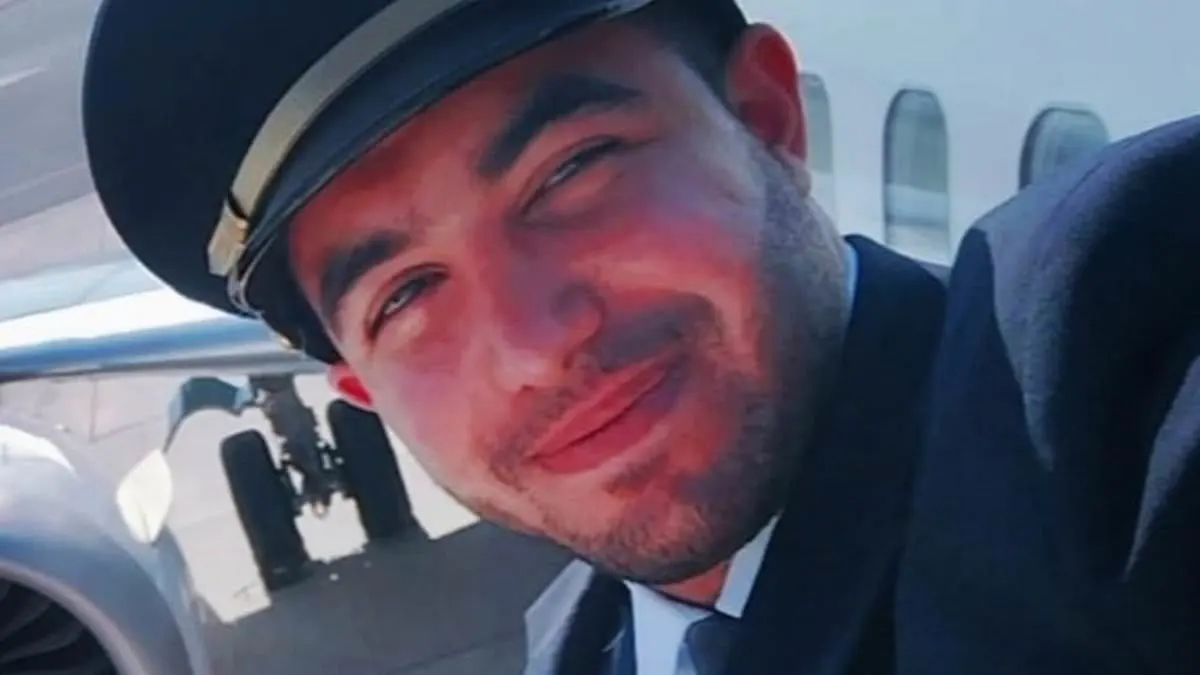
Jet2 Flight LS1266 Diverts After Pilot Medical Emergency

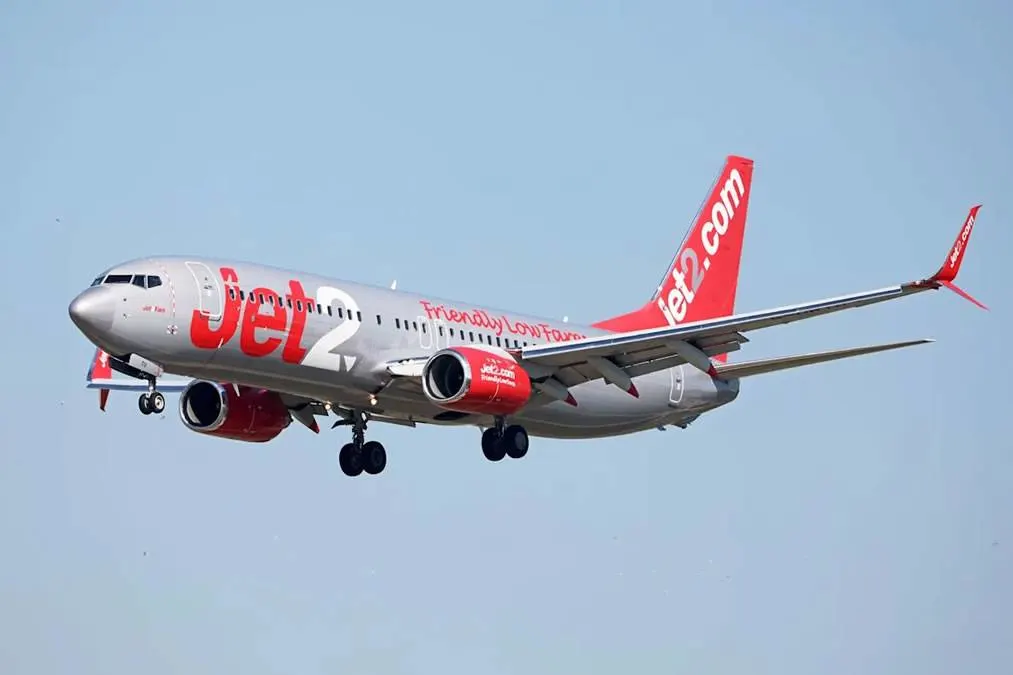
A Jet2 Airbus A321 diverted to Porto on May 21, 2026, after the captain suffered a medical emergency, resulting in a 13-hour delay for passengers.
Key Takeaways
- •Jet2 flight LS1266 diverted to Porto due to a pilot medical emergency.
- •The Airbus A321 landed safely at 2:11 AM local time in Portugal.
- •Passengers experienced a 13-hour delay awaiting a replacement crew.
- •The incident highlights the safety role of the multi-crew cockpit.
A Jet2 flight travelling from Tenerife South Airport (TFS) to Birmingham Airport (BHX) was forced to make an emergency landing in Portugal after one of the pilots became seriously unwell mid-flight. The incident occurred on Thursday, May 21, 2026, aboard flight LS1266, an Airbus A321 that was operating the route with up to 220 passengers on board.
According to passenger accounts, the aircraft suddenly lost altitude while cabin crew urgently requested assistance from any medically trained passengers on board. The flight was diverted to Francisco Sá Carneiro Airport (OPO) in Porto, Portugal, where it landed safely at approximately 2:11 AM local time. Emergency services were waiting on the runway and immediately transported the pilot to a local hospital. While passengers reported that the pilot may have suffered a heart attack, Jet2 has not officially confirmed the nature of the medical event, stating only that a pilot became unwell.
Industry Impact and Safety Protocols
This incident highlights the critical importance of the multi-crew cockpit, particularly as the industry debates the implementation of Extended Minimum Crew Operations (eMCO). Under European Union Aviation Safety Agency (EASA) Part-ORO regulations, commercial flights must maintain a two-pilot minimum crew requirement. This mandate ensures that a qualified first officer is available to assume control of the aircraft should the captain become incapacitated.
Pilot unions, including the European Cockpit Association, have frequently cited incidents of in-flight incapacitation to campaign against the introduction of single-pilot operations. Captain Juan-Carlos Lozano of the European Cockpit Association stated that any new cockpit technologies must clearly and demonstrably improve safety, and they must complement—not replace—the proven human multi-crew model. Conversely, some airline management groups and original equipment manufacturers (OEMs) argue that future automation could eventually manage such scenarios. The EASA Research & Innovation portal provides further background on these ongoing regulatory discussions regarding the future of flight deck staffing.
Historical Precedents
This event follows a pattern of successful emergency diversions managed by remaining flight crew. In August 2023, a LATAM Airlines Boeing 787 diverted to Panama after the captain collapsed, with the remaining pilots safely landing the aircraft. Similarly, in November 2022, a first officer successfully returned an Envoy Air flight to Chicago O'Hare after the captain became incapacitated. These cases support the current industry standard that prioritizes a multi-crew environment to mitigate the risks of sudden medical emergencies.
Passenger Experience and Duty of Care
Following the diversion, passengers experienced a significant disruption, waiting in Porto for more than 13 hours before a replacement crew could be deployed to complete the journey to Birmingham. Some travellers expressed frustration regarding the length of the delay and the perceived lack of adequate accommodation during the unscheduled stopover. While Jet2 stated that at no point was passenger safety compromised, the incident underscores the logistical challenges airlines face in maintaining duty-of-care standards during unexpected, high-pressure medical diversions.
What Comes Next
Jet2 is expected to conduct an internal incident review in conjunction with the UK Civil Aviation Authority (CAA) by the third quarter of 2026. On a broader regulatory scale, the EASA is expected to reach a final decision regarding the future of eMCO and Single Pilot Operations (SiPO) regulations by 2027. These milestones will be pivotal in determining whether the industry moves toward further automation or maintains the existing two-pilot structural requirement.
Why This Matters
This incident serves as a real-world validation of current safety redundancies in commercial aviation. It reinforces the necessity of the two-pilot model while highlighting the operational and passenger-service complexities that arise when emergency protocols are triggered on international routes.
Frequently Asked Questions
- Why did the Jet2 flight from Tenerife to Birmingham divert to Porto?
- The flight diverted to Porto after the captain suffered a medical emergency mid-flight, requiring immediate hospital treatment upon landing.
- How did the pilot medical emergency impact passengers on flight LS1266?
- Passengers experienced a 13-hour delay in Porto while waiting for a replacement crew to arrive and continue the flight to Birmingham.
- What is the regulatory requirement for pilot crew levels in Europe?
- Under EASA Part-ORO regulations, commercial flights are required to maintain a minimum of two pilots to ensure safety in the event of pilot incapacitation.
Get breaking commercial aviation news and expert airline analysis at omniflights.com. For detailed airline coverage, route changes, and fleet moves, explore the Airlines section at omniflights.com/airlines.

Written by Hardik Vishwakarma
Co-Founder & Aviation News Editor leading initiatives that improve trust and visibility across the global aviation industry. Covers airlines, airports, safety, and emerging technology.
Visit ProfileYou Might Also Like
British Airways BA295 and Flydubai FZ1073 Emergency Events
British Airways BA295 Makes Emergency Landing at Heathrow
Airbus Orders A330neo HTP Inspection After Tool Discovery

Flydubai FZ1073 Hijacking: Crew Thwarts Mid-Air Attack
Flydubai Pilot Attack Raises Cockpit Insider Threat Concerns