Japan Airlines A350-1000 Replaces 777-300ER Fleet

Co-Founder & CEOAviation News Editor delivering trusted coverage across the global aviation industry.
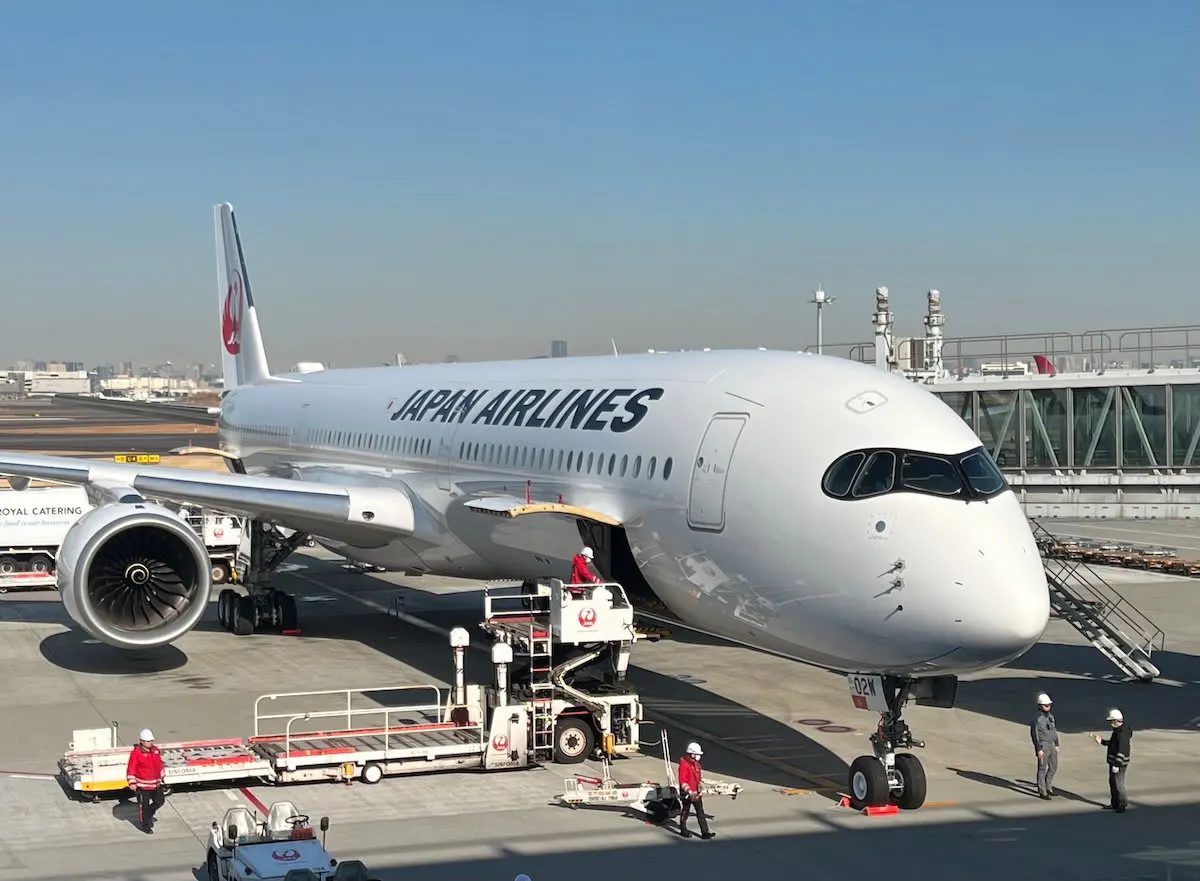
Japan Airlines is deploying its 13 Airbus A350-1000s on international routes to modernize its fleet and achieve a 25% reduction in fuel burn.
Key Takeaways
- •Japan Airlines is replacing 13 Boeing 777-300ERs with Airbus A350-1000s.
- •The A350-1000 offers 25% better fuel efficiency than the previous fleet.
- •JAL's new flagship cabin features 239 seats in a four-class configuration.
- •Full fleet transition to the A350-1000 is expected by 2028.
Fleet Transition Strategy
Japan Airlines (JAL) is currently executing a comprehensive fleet modernization program, transitioning its long-haul international service from the Boeing 777-300ER to the Airbus A350-1000. This strategic shift involves a one-to-one replacement of its 13 Boeing 777-300ER aircraft, marking a pivotal moment in the carrier's widebody operations. The initiative is central to JAL’s sustainability commitments, as the airline works toward its long-term carbon reduction targets.
Operational Performance and Efficiency
The introduction of the A350-1000 brings significant efficiency gains to the JAL network, which serves key international hubs including John F. Kennedy International Airport (JFK), Los Angeles International Airport (LAX), Dallas/Fort Worth International Airport (DFW), London Heathrow Airport (LHR), and Paris Charles de Gaulle Airport (CDG). According to Airbus manufacturer specifications, the A350-1000 delivers approximately a 25% reduction in fuel burn and CO2 emissions compared to the previous-generation 777-300ER. This efficiency is driven by the aircraft’s composite-heavy airframe and high-bypass Rolls-Royce Trent XWB-97 engines.
Cabin Configuration and Passenger Experience
JAL has configured its A350-1000 fleet to prioritize premium yield, featuring a 239-seat, four-class layout. The cabin includes 6 First Class seats, 54 Business Class seats, 24 Premium Economy seats, and 155 Economy seats. A primary differentiator for the new fleet is the introduction of fully enclosed private suites with sliding doors in both First and Business class. These cabin upgrades represent a significant departure from the open-suite design found on the outgoing 777-300ER fleet, directly addressing modern passenger expectations for privacy and comfort on long-haul segments.
Regulatory and Technical Framework
The A350-1000 operates under the European Union Aviation Safety Agency (EASA) Type Certificate EASA.A.151, which governs the airworthiness of the platform. In addition to EASA oversight, the aircraft is subject to rigorous operational approvals by the Japan Civil Aviation Bureau (JCAB) to ensure compliance with Japanese registry standards. This regulatory framework facilitates the integration of the aircraft into JAL's existing route network while maintaining established safety protocols.
A350-1000 vs. Boeing 777-300ER: Key Specifications
| Metric | Airbus A350-1000 | Boeing 777-300ER |
|---|---|---|
| Engine | Rolls-Royce Trent XWB-97 | GE90-115B |
| Fuselage Material | Carbon-fibre reinforced polymer | Aluminum alloy |
| JAL Capacity | 239 seats | 244 seats |
| Fuel Efficiency | ~25% lower fuel burn | Baseline |
Industry Context and Historical Precedents
This transition mirrors the airline's 2011 retirement of its Boeing 747-400 fleet, which was also replaced by the 777-300ER to improve operational efficiency. The current move to the A350-1000 follows a broader industry trend where legacy carriers are prioritizing lighter, composite-heavy widebodies to meet 2050 net-zero carbon goals. While Boeing Commercial Airplanes has argued that the upcoming 777-9 offers higher passenger capacity and a wider cabin, making it a potentially more capable direct replacement, JAL has committed to the Airbus platform for its current flagship cycle.
Completion of Fleet Modernization
Japan Airlines expects to finalize the delivery of all 13 Airbus A350-1000 aircraft by 2028. This timeline will complete the retirement of the 777-300ER, effectively concluding the transition of JAL’s flagship international operations to the A350 family. The airline continues to monitor delivery schedules to ensure a seamless integration of these assets into its global route network.
Why the Transition Matters for Stakeholders
For Boeing Commercial Airplanes, the loss of this flagship replacement cycle represents a missed opportunity with a historically loyal customer. Conversely, Rolls-Royce Civil Aerospace has secured long-term maintenance revenue through its TotalCare support for the Trent XWB-97 engine fleet. For passengers, the shift signifies a move toward highly personalized cabin environments, while for the airline, it represents a critical step in lowering operational costs through superior fuel efficiency.
Frequently Asked Questions
- What is the cabin configuration of the Japan Airlines A350-1000?
- The JAL A350-1000 features a 239-seat, four-class configuration consisting of 6 First Class, 54 Business Class, 24 Premium Economy, and 155 Economy seats.
- How much more fuel-efficient is the A350-1000 compared to the 777-300ER?
- The Airbus A350-1000 provides approximately a 25% reduction in fuel burn and CO2 emissions compared to the previous-generation Boeing 777-300ER.
From airline operations to fleet updates, commercial aviation news lives at omniflights.com. Get the latest updates on major hubs, regional terminals, and airport operations via the Airports section at omniflights.com/airports.
Written by Hardik Vishwakarma
Co-Founder & Aviation News Editor leading initiatives that improve trust and visibility across the global aviation industry. Covers airlines, airports, safety, and emerging technology.
Visit ProfileYou Might Also Like
Discover more aviation news based on similar topics
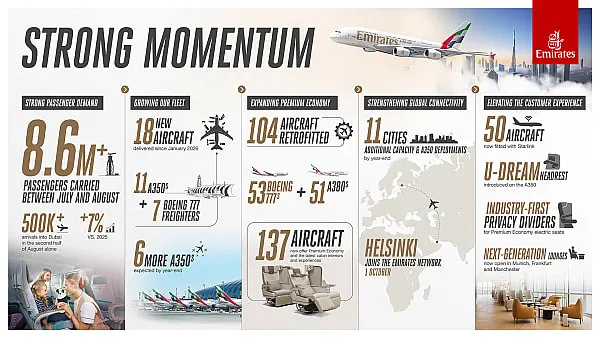
Emirates Winter Booking Momentum Grows Amid Fleet Expansion
Emirates carried 8.6 million passengers this summer and enters winter with strong demand as it accelerates fleet retrofits and network growth.
Air Arabia Consortium Gains AOC for New Dammam Budget Airline
A Saudi GACA-led consortium including Air Arabia has secured an AOC to launch a new budget airline based at Dammam's King Fahd International Airport.

Turkish Airlines Exits Luanda as Angola Hub Struggles
Turkish Airlines dropped its Luanda route as Angola's new airport struggles to attract traffic, handling only 756,028 passengers in 2025.

Red Sea Airlines Leases Two 737 MAX 8s for 2027 Expansion
Red Sea Airlines signed a lease for two Boeing 737 MAX 8 aircraft from SMBC Aviation Capital, arriving in 2027 to support its 14-aircraft fleet goal.

Avelo CEO Warns Airfares May Rise on Jet Fuel Price Spikes
Avelo Airlines CEO Andrew Levy warns that rising fuel costs may force fare increases as global jet fuel prices reach $171.01 per barrel.
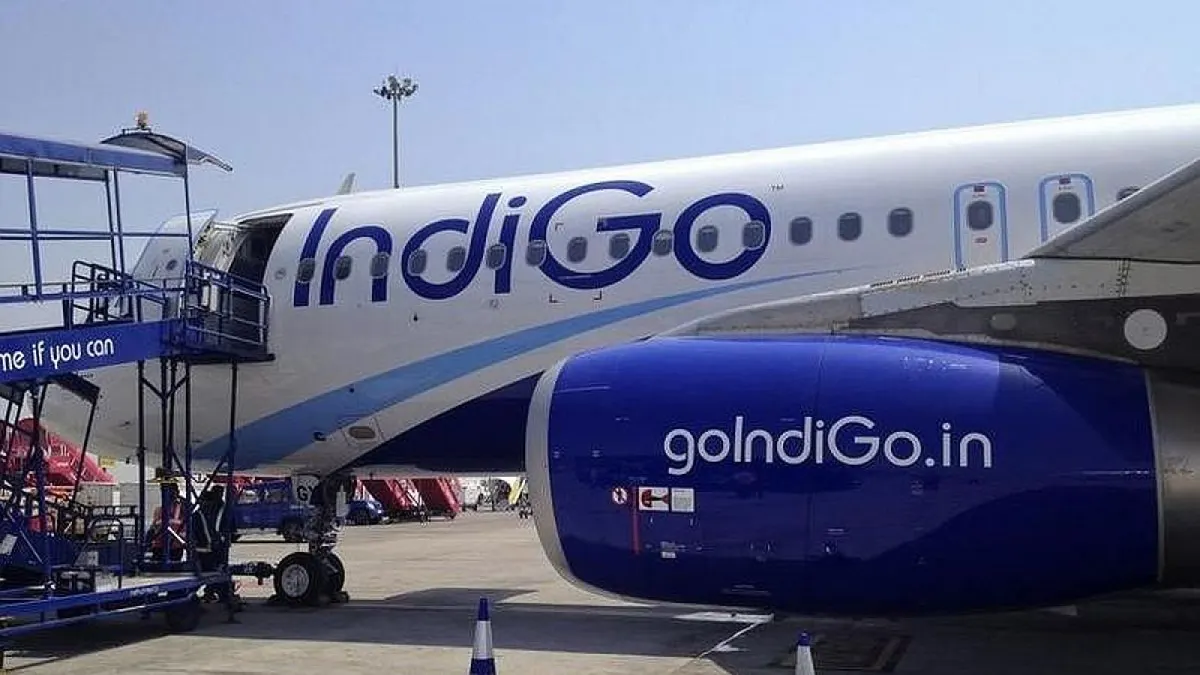
IndiGo, Air India Battle for Mumbai-Delhi Route Dominance
IndiGo and the Air India group are competing for dominance on the Mumbai-Delhi air route, which saw 13.9 percent capacity growth this September.