JAL President Takes Pay Cut After Crew Alcohol Incident

Co-Founder & CEOAviation News Editor delivering trusted coverage across the global aviation industry.
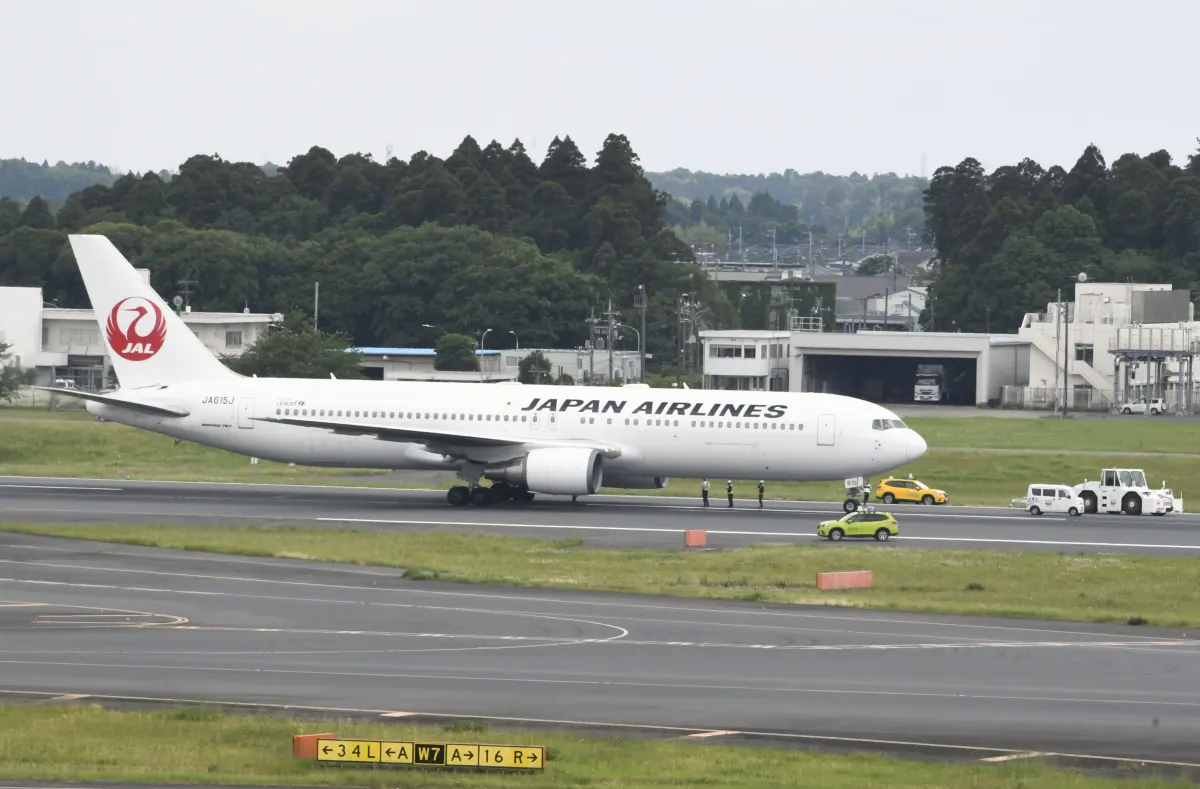
Japan Airlines faces a new MLIT reprimand after a cabin crew alcohol incident delayed flight JL252, prompting a 30% pay cut for the company's president.
Key Takeaways
- •JAL flight JL252 delayed 42 minutes due to cabin crew alcohol consumption.
- •MLIT mandates preventive measures from Japan Airlines by July 17, 2026.
- •JAL president Mitsuko Tottori receives a 30% pay cut for two months.
- •New company policy bans all alcohol consumption for cabin crew during layovers.
The Ministry of Land, Infrastructure, Transport and Tourism (MLIT) has issued a formal reprimand to Japan Airlines (JAL) following a May 23, 2026, incident involving cabin crew alcohol consumption. The regulatory action mandates that the carrier submit a comprehensive set of preventive measures by July 17, 2026, to address recurring safety culture failures. This development follows a 42-minute delay to flight JL252 from Hiroshima Airport (HIJ) to Tokyo Haneda Airport (HND), which affected 186 passengers.
The Incident and Regulatory Response
The incident involved two female cabin attendants who consumed alcohol in violation of company policy. According to the MLIT Civil Aviation Bureau, the chief cabin attendant, in her 50s, tested positive for alcohol during a pre-flight screening after initially falsifying internal records regarding her consumption. A second attendant, in her 30s, was also involved in the incident. The chief attendant was subsequently terminated, while the second employee remains under suspension. The Japan Airlines Corporate Safety Information portal confirms the airline has implemented an immediate, full ban on alcohol consumption for all 6,000 cabin crew members during layovers.
In response to the breach, JAL president Mitsuko Tottori announced a 30 per cent reduction in her salary for two months. The airline stated it takes the matter extremely seriously and apologized for the repeated safety lapses. The incident marks the latest in a series of alcohol-related scandals that have drawn intense scrutiny from the Japanese government.
Historical Precedents and Safety Culture
The current regulatory environment is heavily influenced by prior violations. In December 2024, the MLIT issued a Business Improvement Order following an incident where a captain and co-pilot attempted to hide alcohol consumption before a flight from Melbourne to Narita. Similarly, in August 2025, a pilot drinking incident in Honolulu caused delays exceeding 18 hours. These recurring issues have prompted the MLIT to conduct emergency on-site inspections of JAL facilities between 2024 and 2026, signaling a shift toward more aggressive executive-level accountability.
Technical Analysis of Safety Management Systems
The pattern of recurring alcohol-related incidents despite previous regulatory interventions suggests a systemic challenge within JAL's safety management system. Historically, the airline relied on time-based restrictions, such as a 12-hour pre-flight abstinence rule. However, the move toward a complete, location-based alcohol ban for crew on layovers indicates that standard monitoring protocols have proven insufficient. This shift mirrors the regulatory trajectory seen after the 2018 Heathrow pilot arrest, which initially forced the adoption of self-administered breathalyzer tests. The failure of those tests to prevent the May 2026 incident suggests that the primary issue is no longer technical compliance, but rather the underlying safety culture and the integrity of internal reporting mechanisms.
What Comes Next: The July 17 Deadline
JAL is under a confirmed mandate to deliver a new safety report to the MLIT by July 17, 2026. This submission must detail how the airline intends to prevent future violations of the Civil Aeronautics Act. The effectiveness of these measures will determine whether the MLIT maintains its current oversight posture or escalates to further administrative penalties. For the carrier, the challenge lies in balancing the enforcement of strict new layover policies with the morale of its broader workforce, as labor observers have noted that blanket bans may create friction within the cabin crew population.
Why This Matters for Aviation Safety
For the broader aviation industry, this incident highlights the increasing regulatory focus on executive liability and corporate safety culture. By penalizing the JAL president directly, the MLIT is signaling that safety compliance is a top-down responsibility that cannot be delegated to operational staff alone. For passengers, the incident underscores the ongoing friction between established airline protocols and the human factors that regulators are struggling to mitigate through traditional administrative guidance.
Frequently Asked Questions
- What triggered the MLIT reprimand of Japan Airlines in June 2026?
- The reprimand was issued after two cabin attendants consumed alcohol before a May 23, 2026, flight from Hiroshima to Tokyo Haneda, resulting in a 42-minute delay and a falsified internal safety report.
- What measures has JAL implemented following the latest alcohol incident?
- JAL has imposed a full ban on alcohol consumption for all 6,000 cabin crew members during layovers and the president, Mitsuko Tottori, has taken a 30% pay cut for two months.
Get breaking commercial aviation news and expert airline analysis at omniflights.com. Follow aviation sustainability efforts, emissions research, and green initiatives in the Environmental section at omniflights.com/environmental.
Written by Hardik Vishwakarma
Co-Founder & Aviation News Editor leading initiatives that improve trust and visibility across the global aviation industry. Covers airlines, airports, safety, and emerging technology.
Visit ProfileYou Might Also Like
Discover more aviation news based on similar topics
Ryanair Flight RK514 Diverts to Birmingham After Emergency
Ryanair flight RK514 diverted to Birmingham Airport on September 13, 2026, following a medical emergency involving a passenger.
Amazon Suspends 21 Air After Fatal Miami 767 Runway Overrun
Amazon has suspended operations with 21 Air following a fatal Boeing 767 runway overrun at Miami International Airport that resulted in five deaths.
FAA Proposes A220 Fuel Line Inspections for US Operators
The FAA issued a proposed directive requiring inspection of motive-flow fuel lines on 13 US-registered Airbus A220s to prevent potential leaks.
NATS Denies Military Jet Role in UK ATC Outage
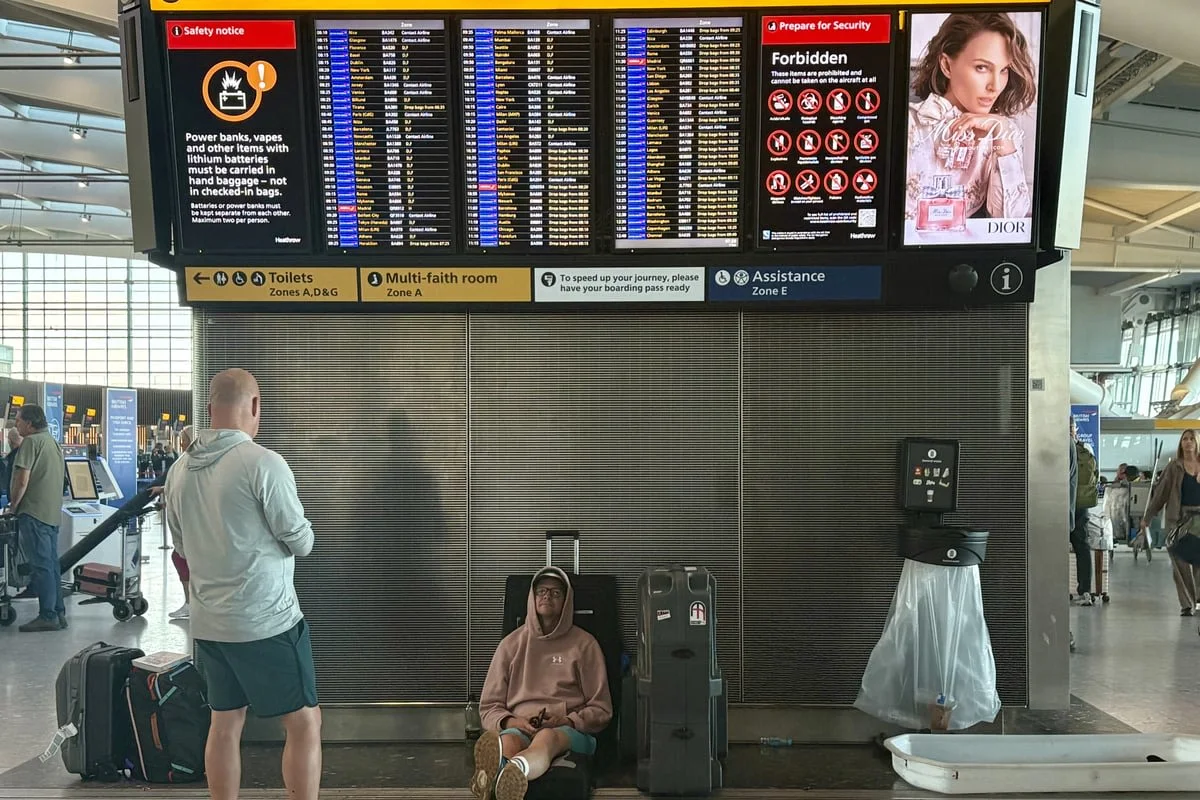
The UK Ministry of Defence denied its aircraft caused a NATS outage that led to over 2,000 flight cancellations and calls for CEO resignation.
21 Air Miami Crash: NTSB Investigates 767 Runway Overrun
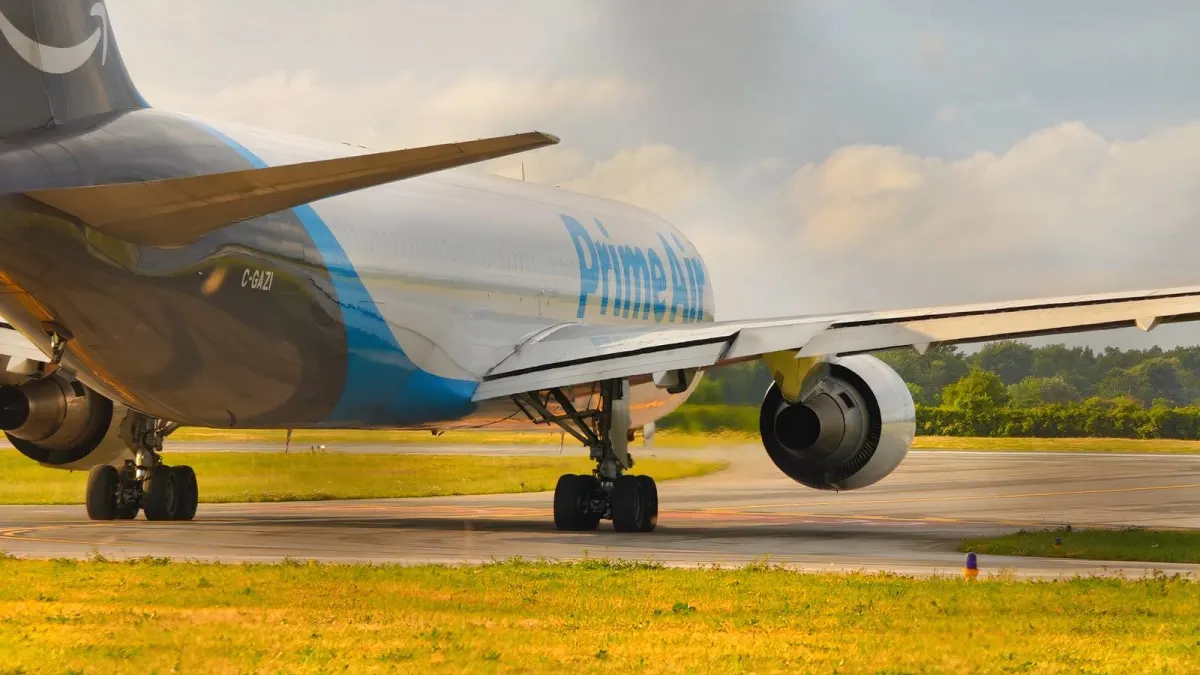
A fatal 21 Air Boeing 767 crash at Miami International Airport has triggered an NTSB investigation amid scrutiny of Amazon Air's contract oversight.

Amazon Cargo Plane Crash: 5 Remembered After MIA Excursion
Five cleaning crew members died after an Amazon-contracted Boeing 767 overran the runway at Miami International Airport at 158 knots.