IndiGo Issues Travel Advisory Amid Delhi Storm Disruptions

Co-Founder & CEOAviation News Editor delivering trusted coverage across the global aviation industry.
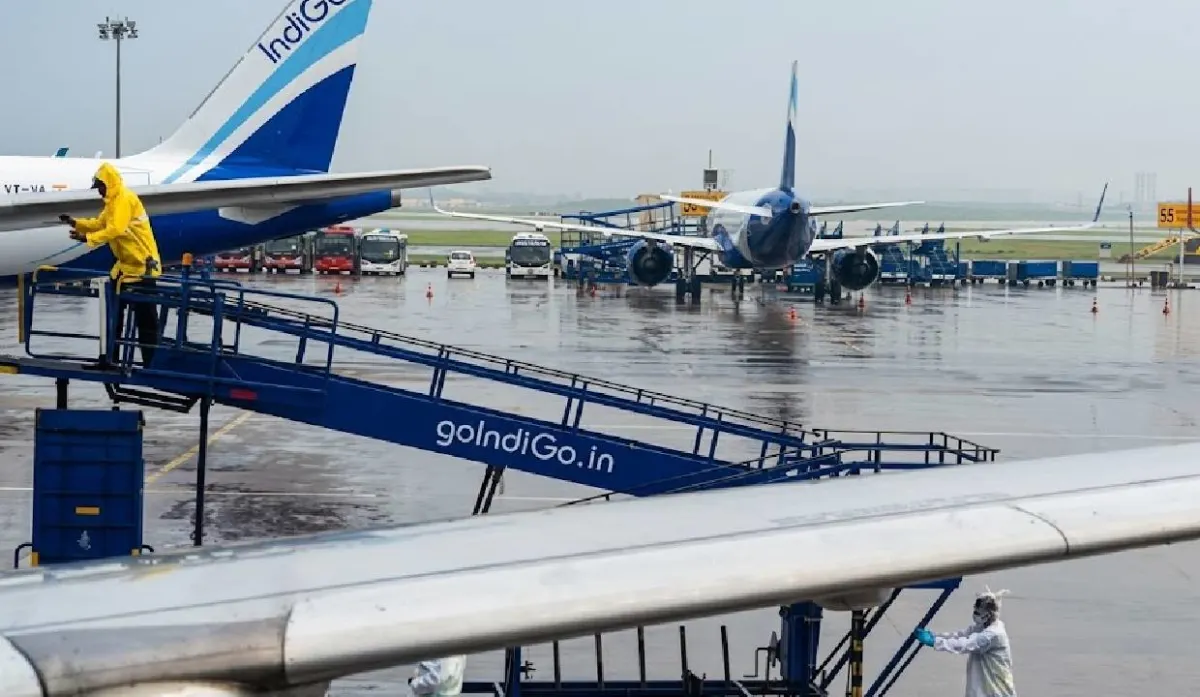
IndiGo issued a travel advisory for Delhi operations following an IMD red alert that brought 92 kmph wind speeds to the airport.
Key Takeaways
- •IndiGo issued a travel advisory following severe weather in Delhi.
- •IMD issued a red alert with wind speeds reaching 92 kmph at Palam.
- •Severe winds forced a mandatory suspension of all airport ramp activities.
- •Weather conditions are expected to improve gradually by Tuesday.
Weather Disruptions at Delhi Airport
IndiGo issued a travel advisory on Monday as severe weather conditions triggered widespread Delhi airport flight disruptions. The airline warned passengers that schedules across the network were being impacted by an IMD (India Meteorological Department) red alert for thunderstorms and heavy rainfall. The alert, which covers the National Capital Region, necessitated immediate precautionary measures to ensure the safety of passengers and ground personnel.
Impact of the IMD Red Alert
The IMD red alert for Delhi represents the highest level of weather warning, requiring transport operators to take immediate action. Meteorologists attributed the volatility to a western disturbance currently affecting northwestern India. According to the IMD Palam Meteorological Station, peak wind speeds reached 92 kmph during the afternoon, far exceeding standard safe operating limits for ground handling. These conditions have forced airlines to build more dynamic schedule buffers to manage the increasing frequency of severe pre-monsoon weather events.
Operational and Passenger Impact
For Delhi Airport ground handling agencies, the primary consequence has been the mandatory suspension of all ramp activities, including baggage loading and aircraft fueling, during the height of the storm. This safety-critical pause, enforced under Aerodrome Weather Warning Guidelines, creates severe cascading delays that ripple through the airline's network. IndiGo and other carriers operating at the hub are facing increased operational costs due to extended aircraft holding times, fuel burn, and the potential for flight diversions. Travelers are experiencing significant inconvenience, with reports of extended waiting times on grounded aircraft and crowded terminal conditions.
While IndiGo has committed to assisting affected passengers, the situation highlights a broader industry challenge regarding passenger communication during mass delays. Passenger rights advocates have often argued that airlines and airport management must improve transparency and crowd control measures when sudden weather events paralyze operations. Travelers can monitor official IMD weather updates for the latest forecasts regarding the region.
Historical Context and Precedents
Delhi’s primary airport remains highly vulnerable to sudden, intense squalls. In a historical precedent from April to May 2025, similar pre-monsoon dust storms resulted in over 200 flight delays and dozens of diversions. The current event follows this established pattern, where winds exceeding 80 kmph necessitate the temporary suspension of ramp operations. This recurring vulnerability suggests that Delhi's operational resilience will continue to be tested by these extreme weather patterns as the monsoon season approaches.
What Comes Next
According to the India Meteorological Department, conditions are expected to improve gradually starting Tuesday. However, the respite may be short-lived as a subsequent western disturbance is expected to bring fresh rainfall to the region later this week. Airlines remain on high alert, and passengers are advised to monitor flight status updates continuously before departing for the airport to account for potential last-minute schedule changes.
Why This Matters
The current weather-induced disruption highlights the fragility of hub operations in North India when faced with extreme, localized meteorological events. For airlines, the ability to manage rapid schedule recovery while maintaining passenger safety is a critical performance metric. As severe weather events become more frequent, the industry is increasingly focused on refining communication protocols and ground-handling safety procedures to mitigate the impact on both operational costs and the passenger experience.
Frequently Asked Questions
- What is an IMD red alert for aviation?
- An IMD red alert is the highest level of weather warning issued by the India Meteorological Department. It requires transport operators to take immediate action to protect life and property, often leading to the suspension of ground handling operations at airports.
- How do dust storms affect flights at Delhi Airport?
- Dust storms and high winds, often exceeding 80 kmph, force the temporary suspension of ramp activities like baggage loading and fueling for safety reasons. This leads to cascading delays, flight diversions, and extended waiting times for passengers.
Stay ahead of the airline industry with commercial aviation news from omniflights.com. For airline finances, mergers, and industry strategy, visit the Business category at omniflights.com/business.
Written by Hardik Vishwakarma
Co-Founder & Aviation News Editor leading initiatives that improve trust and visibility across the global aviation industry. Covers airlines, airports, safety, and emerging technology.
Visit ProfileYou Might Also Like
Discover more aviation news based on similar topics
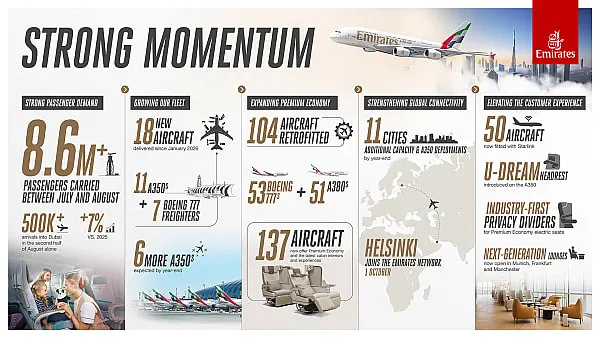
Emirates Winter Booking Momentum Grows Amid Fleet Expansion
Emirates carried 8.6 million passengers this summer and enters winter with strong demand as it accelerates fleet retrofits and network growth.
Air Arabia Consortium Gains AOC for New Dammam Budget Airline
A Saudi GACA-led consortium including Air Arabia has secured an AOC to launch a new budget airline based at Dammam's King Fahd International Airport.
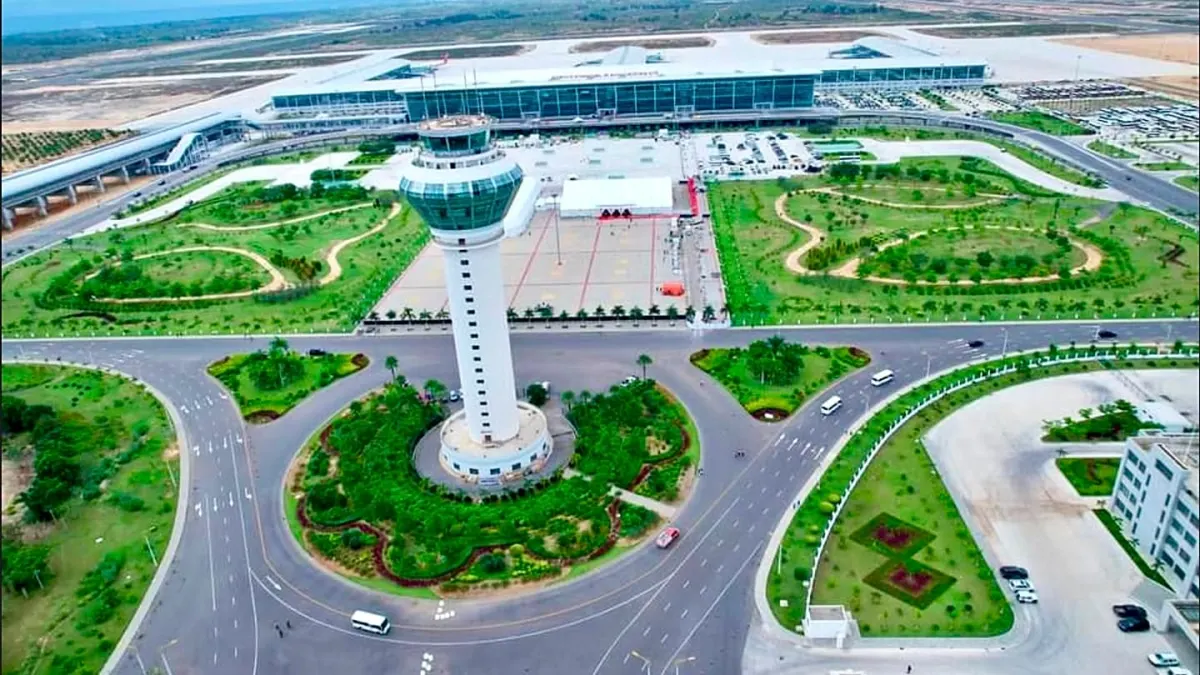
Turkish Airlines Exits Luanda as Angola Hub Struggles
Turkish Airlines dropped its Luanda route as Angola's new airport struggles to attract traffic, handling only 756,028 passengers in 2025.

Red Sea Airlines Leases Two 737 MAX 8s for 2027 Expansion
Red Sea Airlines signed a lease for two Boeing 737 MAX 8 aircraft from SMBC Aviation Capital, arriving in 2027 to support its 14-aircraft fleet goal.
Avelo CEO Warns Airfares May Rise on Jet Fuel Price Spikes
Avelo Airlines CEO Andrew Levy warns that rising fuel costs may force fare increases as global jet fuel prices reach $171.01 per barrel.
IndiGo, Air India Battle for Mumbai-Delhi Route Dominance
IndiGo and the Air India group are competing for dominance on the Mumbai-Delhi air route, which saw 13.9 percent capacity growth this September.