Iberia Debuts Free Starlink Wi-Fi on Airbus A330-300

Co-Founder & CEOAviation News Editor delivering trusted coverage across the global aviation industry.

Iberia launched free high-speed Starlink Wi-Fi on its A330-300 fleet, providing passengers with 500 Mbps connectivity for gate-to-gate streaming.
Key Takeaways
- •Iberia launched free Starlink Wi-Fi on an A330-300 on June 23, 2026.
- •System provides download speeds of up to 500 Mbps for all passengers.
- •Starlink LEO satellites reduce latency to 30-50 ms for stable streaming.
- •Fleet-wide installation is expected to continue through 2028.
Iberia Launches LEO Connectivity
Iberia has officially inaugurated its first commercial flight featuring high-speed Starlink Wi-Fi, marking a significant milestone in the airline's digital transformation. On June 23, 2026, the carrier operated its inaugural flight equipped with the new system on an Airbus A330-300 (registration EC-MAA), flying from Madrid to São Paulo. This rollout establishes Iberia as the first Spanish airline to provide this advanced satellite technology, which is being offered to passengers as a free, gate-to-gate amenity. WiFi-Iberia USA confirms the integration of this service as part of the airline's broader commitment to enhancing the passenger experience.
Technical Shift to Low Earth Orbit
The transition to Low Earth Orbit (LEO) satellite connectivity represents a substantial upgrade over traditional Geostationary Earth Orbit (GEO) systems. While legacy providers like Viasat and Panasonic have long relied on high-altitude satellites, the SpaceX Starlink network operates at an altitude of approximately 550 kilometers. This proximity drastically reduces latency to between 30 and 50 milliseconds, compared to the 600-plus milliseconds typical of legacy GEO networks. Consequently, the system supports download speeds of up to 500 Mbps, enabling high-bandwidth activities like video conferencing and streaming that were previously constrained on long-haul flights.
Competitive Landscape and Industry Trends
Market data underscores the rapid shift toward LEO adoption. According to Ookla Speedtest Intelligence data from Q4 2025, Starlink captured nearly 48% of commercial airline connectivity speed test traffic, significantly outpacing competitors such as Viasat at 25.1% and Panasonic at 12.8%. This shift places intense competitive pressure on legacy in-flight Wi-Fi providers, who must now contend with the superior performance metrics of LEO networks. While legacy providers argue that their established GEO networks offer proven reliability and high capacity over dense transit hubs, the industry trend remains firmly tilted toward the high-speed, low-latency capabilities offered by Starlink.
A330-300 vs Traditional GEO Systems
| Metric | Starlink (LEO) | Traditional (GEO) |
|---|---|---|
| Altitude | ~550 km | ~36,000 km |
| Latency | 30-50 ms | 600+ ms |
| Peak Download | Up to 500 Mbps | 12-100 Mbps |
Strategic Implementation and Flight Plan 2030
The implementation of this technology is a central pillar of Flight Plan 2030, the strategic modernization roadmap for the International Airlines Group (IAG). Beatriz Guillén, Iberia's Director of Customer Experience, noted that the project is essential for maintaining a competitive edge in a digital-first market. The modification of the aircraft was completed under Federal Aviation Administration (FAA) Supplemental Type Certificate (STC) ST04732NY, which provides the necessary regulatory framework for installing the Starlink radome and hardware on the A330-300 series. This follows successful precedents set by other global carriers, such as the 2024 rollout by Hawaiian Airlines, which demonstrated the viability of offering free, high-speed LEO connectivity on widebody fleets.
Future Fleet Integration
Iberia and its parent group, IAG, are expected to continue the rollout of Starlink connectivity across the remainder of their long-haul fleet between 2026 and 2028. This phased integration will likely standardize the amenity across the airline’s international network. As the carrier scales this capability, the focus will shift toward optimizing bandwidth management to ensure consistent performance across high-traffic trans-Atlantic and South American routes. The success of this initial A330-300 deployment will serve as the operational blueprint for the remaining aircraft upgrades scheduled over the next two years.
Frequently Asked Questions
- What are the performance benefits of Starlink on Iberia aircraft?
- Starlink provides download speeds of up to 500 Mbps and significantly lower latency (30-50 ms) compared to traditional GEO satellite systems. This allows passengers to perform high-bandwidth tasks like video calls and streaming gate-to-gate.
- When will the Starlink installation be completed for the full Iberia fleet?
- Iberia and its parent company, IAG, expect to complete the installation of Starlink Wi-Fi across their long-haul fleet between 2026 and 2028.
For global airline trends and commercial aviation news, turn to omniflights.com. Follow aviation sustainability efforts, emissions research, and green initiatives in the Environmental section at omniflights.com/environmental.
Written by Hardik Vishwakarma
Co-Founder & Aviation News Editor leading initiatives that improve trust and visibility across the global aviation industry. Covers airlines, airports, safety, and emerging technology.
Visit ProfileYou Might Also Like
Discover more aviation news based on similar topics
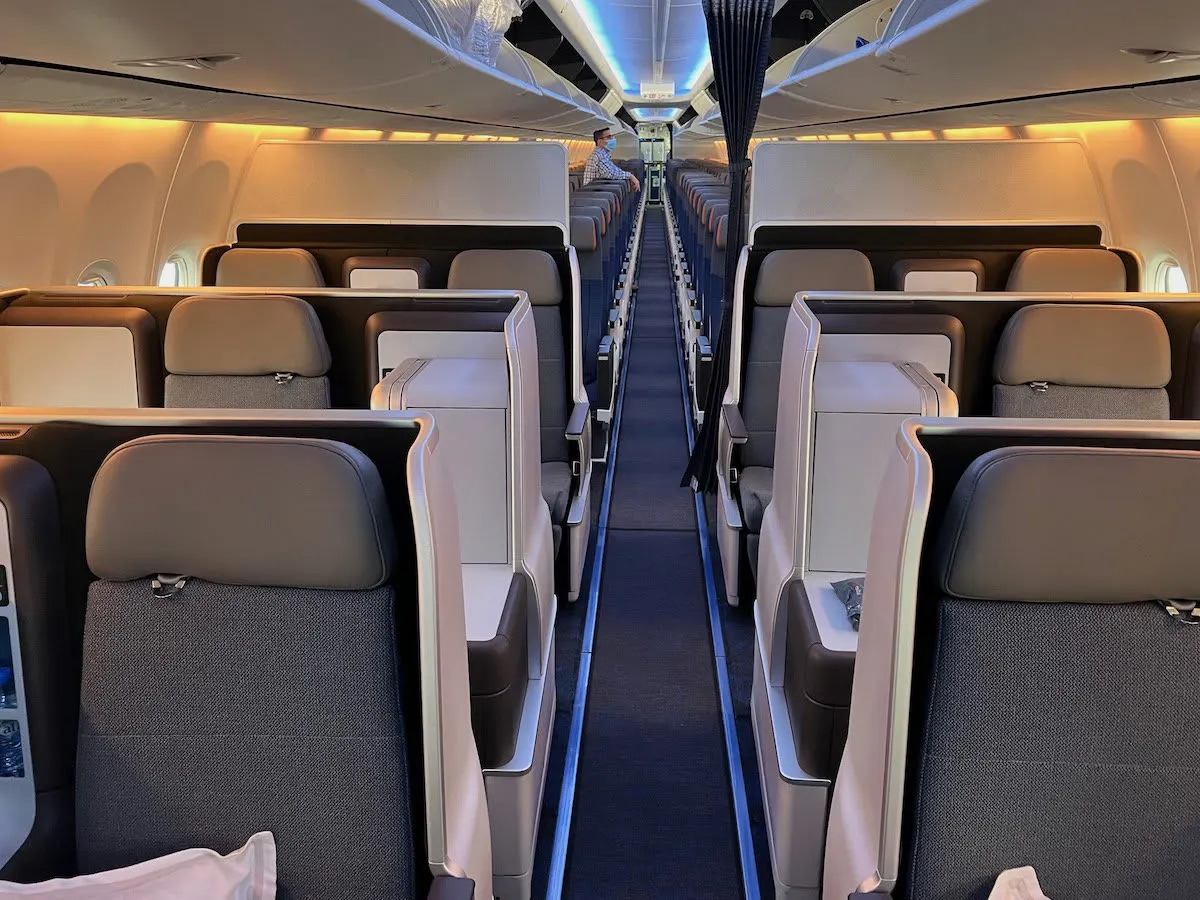
Flydubai Upgrading 21 Boeing 737 MAX 8s to Flat Bed Seats
Flydubai is retrofitting 21 Boeing 737 MAX 8 aircraft with lie-flat business class seats to standardize its premium product by late 2027.
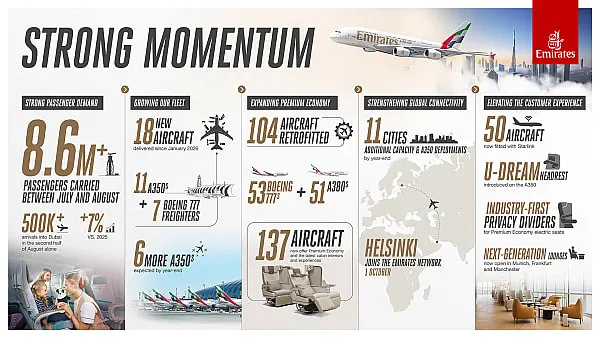
Emirates Winter Booking Momentum Grows Amid Fleet Expansion
Emirates carried 8.6 million passengers this summer and enters winter with strong demand as it accelerates fleet retrofits and network growth.
Air Arabia Consortium Gains AOC for New Dammam Budget Airline
A Saudi GACA-led consortium including Air Arabia has secured an AOC to launch a new budget airline based at Dammam's King Fahd International Airport.

Turkish Airlines Exits Luanda as Angola Hub Struggles
Turkish Airlines dropped its Luanda route as Angola's new airport struggles to attract traffic, handling only 756,028 passengers in 2025.

Red Sea Airlines Leases Two 737 MAX 8s for 2027 Expansion
Red Sea Airlines signed a lease for two Boeing 737 MAX 8 aircraft from SMBC Aviation Capital, arriving in 2027 to support its 14-aircraft fleet goal.
Avelo CEO Warns Airfares May Rise on Jet Fuel Price Spikes
Avelo Airlines CEO Andrew Levy warns that rising fuel costs may force fare increases as global jet fuel prices reach $171.01 per barrel.