IATA Launches 'Save a Life, Not a Bag' Safety Campaign

Co-Founder & CEOAviation News Editor delivering trusted coverage across the global aviation industry.
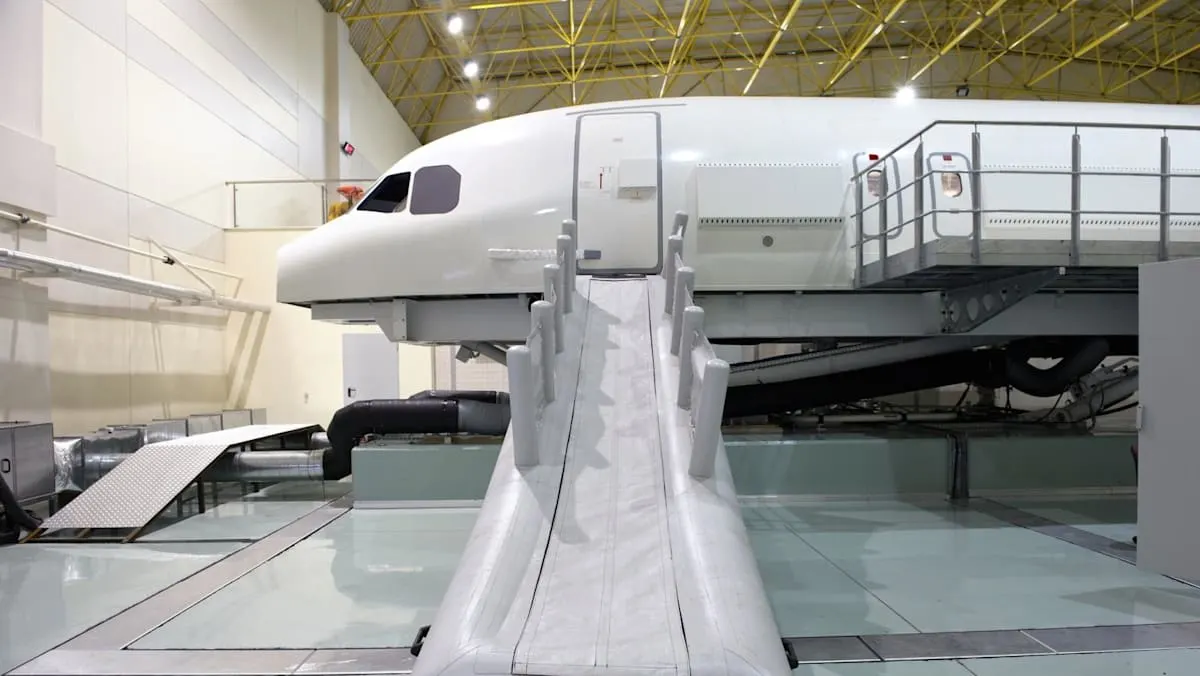
The IATA launched a global safety campaign after survey data showed 39% of passengers are unaware they must leave luggage behind during an evacuation.
Key Takeaways
- •IATA launched the 'Save a Life, Not a Bag' campaign on June 8, 2026.
- •Only 61% of surveyed passengers know they must leave bags behind.
- •Aircraft must be fully evacuated in 90 seconds per FAA regulation.
- •Regulators are considering fines for passengers who impede evacuations.
The International Air Transport Association (IATA) on June 8, 2026, launched a global IATA passenger safety campaign aimed at addressing the critical issue of travelers retrieving carry-on luggage during emergency evacuations. The initiative, titled "Save a Life, Not a Bag," seeks to mitigate the risks associated with blocked aisles and delayed egress, which aviation safety experts identify as a primary threat to survival in cabin fire or crash scenarios.
Survey Reveals Critical Gaps in Safety Awareness
Data from the 2026 IATA Passenger Evacuation Survey highlights a significant disconnect between safety expectations and passenger intent. Only 61% of respondents correctly identified that all personal belongings must be abandoned during an emergency. Furthermore, 33% of those surveyed reported having witnessed passengers attempting to retrieve luggage during an evacuation, and 22% of that group admitted they would likely do the same. This trend is particularly concerning given the strict certification requirements for modern airliners, which mandate that aircraft must be fully evacuated in 90 seconds or less using only half of the available exits, as outlined in the FAA (Federal Aviation Administration) 14 CFR § 25.803 regulation.
The Cost of Non-Compliance
Industry concern has intensified following recent events, including a May 2026 incident involving a Frontier Airlines A321 in Denver, where passengers were filmed exiting the aircraft with backpacks and roller bags. Such behavior directly contradicts the "90-second evacuation rule" and complicates the critical work of cabin crew members. According to IATA Director General Willie Walsh, the retrieval of even a single bag can compromise the entire evacuation process, potentially leading to catastrophic outcomes. The IATA Official Pressroom has emphasized that education is the first line of defense, though regulators including the EASA (European Union Aviation Safety Agency) are under increasing pressure to explore more aggressive measures.
Historical Precedents and Safety Trajectories
Historical data underscores the life-saving potential of compliance. The January 2024 collision of Japan Airlines Flight 516 at Haneda Airport is frequently cited as the gold standard for passenger behavior, where 367 passengers evacuated a burning Airbus A350 without their belongings. Conversely, the 2019 Aeroflot Flight 1492 fire in Moscow resulted in 41 fatalities, with investigators noting that the evacuation was severely impeded by passengers in the forward cabin attempting to retrieve hand luggage. These events have prompted a shift in industry discourse, with some analysts arguing that education alone is insufficient. Technical solutions, such as automatically locking overhead bins during emergencies, are currently being discussed as potential future requirements.
Technical Analysis: The Evacuation Math
The industry's focus on passenger behavior reflects a broader shift toward hardening the cabin environment against human error. The 90-second evacuation standard assumes a seamless egress; when passengers pause to access overhead compartments, they introduce a bottleneck that invalidates the evacuation modeling used during aircraft certification. This development suggests that if passenger compliance does not improve through voluntary education, the industry is likely to accelerate the adoption of punitive or technical countermeasures. The potential transition toward automatically locking bin mechanisms would represent a significant change in cabin design, shifting the burden of compliance from the passenger to the aircraft hardware itself. This trajectory aligns with the increasing scrutiny from the FAA and EASA regarding the role of cabin interiors in emergency survivability.
What Comes Next for Passenger Safety
As the "Save a Life, Not a Bag" campaign expands, stakeholders are looking toward the 2027 timeframe for potential regulatory updates. While the current focus remains on public awareness, rumors persist that national aviation regulators may introduce fines for passengers who impede emergency evacuations. Simultaneously, there is ongoing discussion regarding the integration of smart-locking technology in overhead bins, though no formal mandate has been issued. Aviation professionals and travelers should expect more rigorous pre-flight safety briefings and potentially more visible enforcement of cabin baggage policies in the coming months.
Why This Matters for Cabin Safety
This campaign addresses the growing tension between passenger convenience and emergency survival protocols. For cabin crew, the initiative is vital to reducing the physical and verbal confrontations that occur during high-stress evacuations. For the broader industry, the shift signals a move toward stricter enforcement and potential design mandates that prioritize rapid egress over the preservation of personal property.
Frequently Asked Questions
- Why is it dangerous to take bags during an aircraft evacuation?
- Retrieving luggage blocks aisles and slows down the egress process, potentially preventing passengers from exiting within the mandated 90-second evacuation window. This delay can lead to life-threatening conditions in scenarios involving smoke or fire.
- What is the 90-second evacuation rule?
- The 90-second rule, mandated by the FAA under 14 CFR § 25.803, requires that aircraft be designed to allow all passengers and crew to evacuate within 90 seconds using only half of the available emergency exits.
Visit omniflights.com for the latest commercial aviation news and airline industry updates. Get the latest updates on major hubs, regional terminals, and airport operations via the Airports section at omniflights.com/airports.
Written by Hardik Vishwakarma
Co-Founder & Aviation News Editor leading initiatives that improve trust and visibility across the global aviation industry. Covers airlines, airports, safety, and emerging technology.
Visit ProfileYou Might Also Like
Discover more aviation news based on similar topics
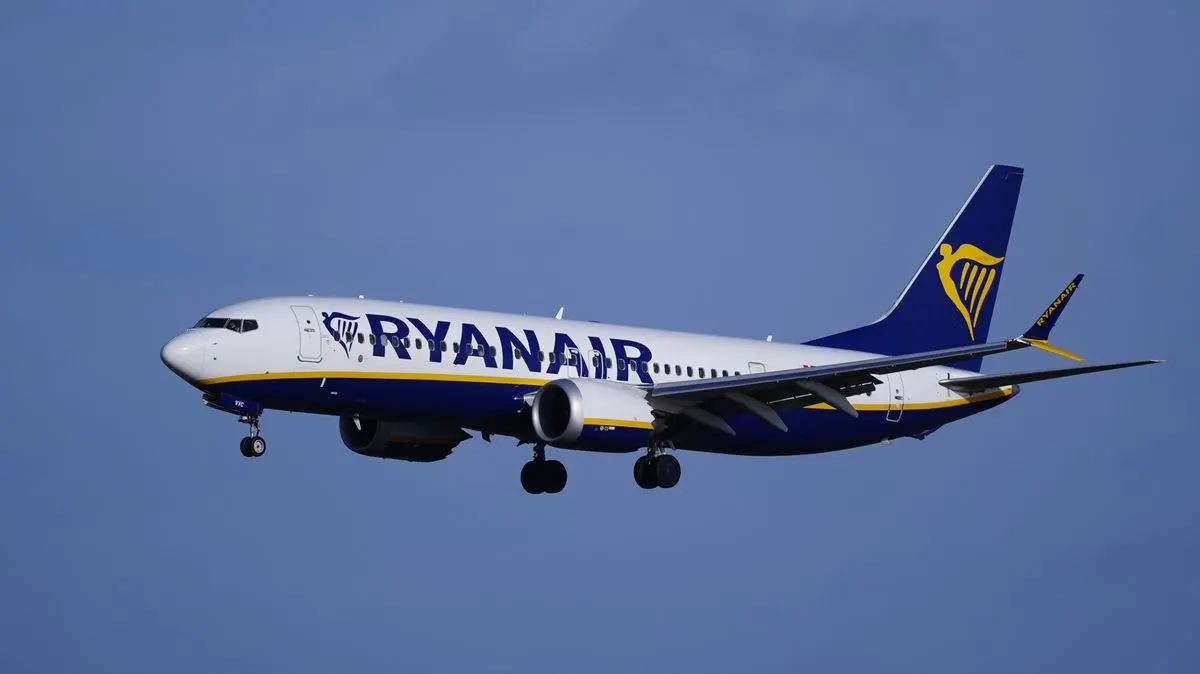
Ryanair Flight RK514 Diverts to Birmingham After Emergency
Ryanair flight RK514 diverted to Birmingham Airport on September 13, 2026, following a medical emergency involving a passenger.
Amazon Suspends 21 Air After Fatal Miami 767 Runway Overrun
Amazon has suspended operations with 21 Air following a fatal Boeing 767 runway overrun at Miami International Airport that resulted in five deaths.
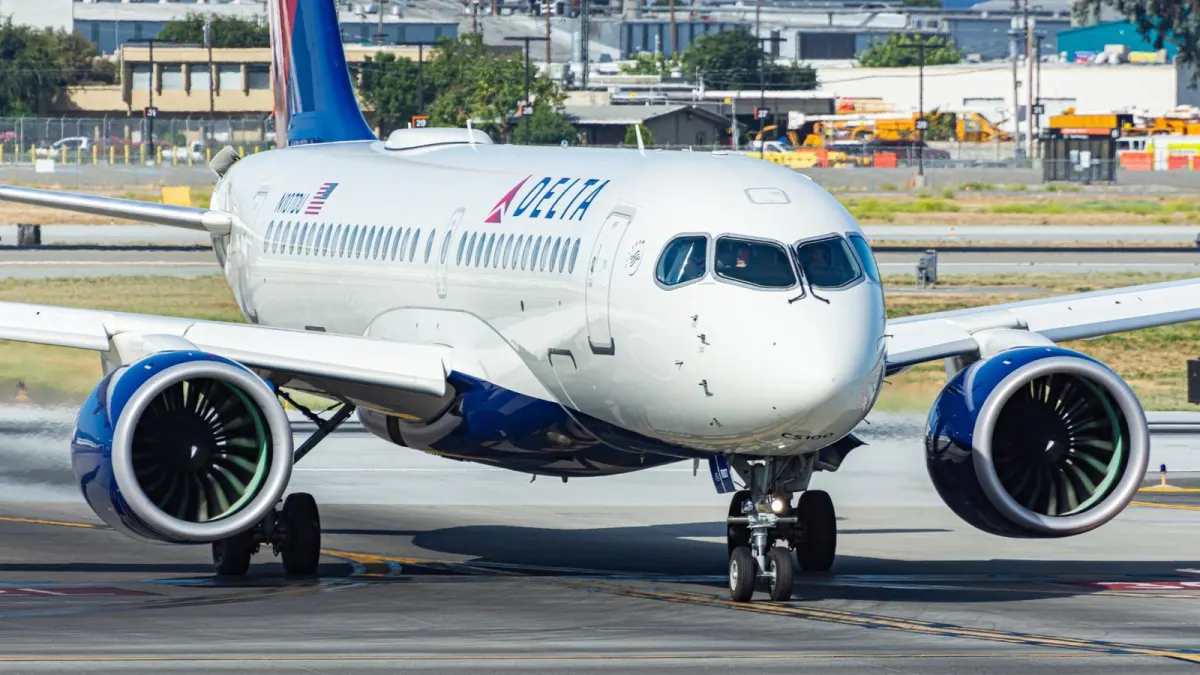
FAA Proposes A220 Fuel Line Inspections for US Operators
The FAA issued a proposed directive requiring inspection of motive-flow fuel lines on 13 US-registered Airbus A220s to prevent potential leaks.
NATS Denies Military Jet Role in UK ATC Outage
The UK Ministry of Defence denied its aircraft caused a NATS outage that led to over 2,000 flight cancellations and calls for CEO resignation.
21 Air Miami Crash: NTSB Investigates 767 Runway Overrun
A fatal 21 Air Boeing 767 crash at Miami International Airport has triggered an NTSB investigation amid scrutiny of Amazon Air's contract oversight.

Amazon Cargo Plane Crash: 5 Remembered After MIA Excursion
Five cleaning crew members died after an Amazon-contracted Boeing 767 overran the runway at Miami International Airport at 158 knots.