IATA, FAA Target Luggage Risks in Aircraft Evacuations

Co-Founder & CEOAviation News Editor delivering trusted coverage across the global aviation industry.
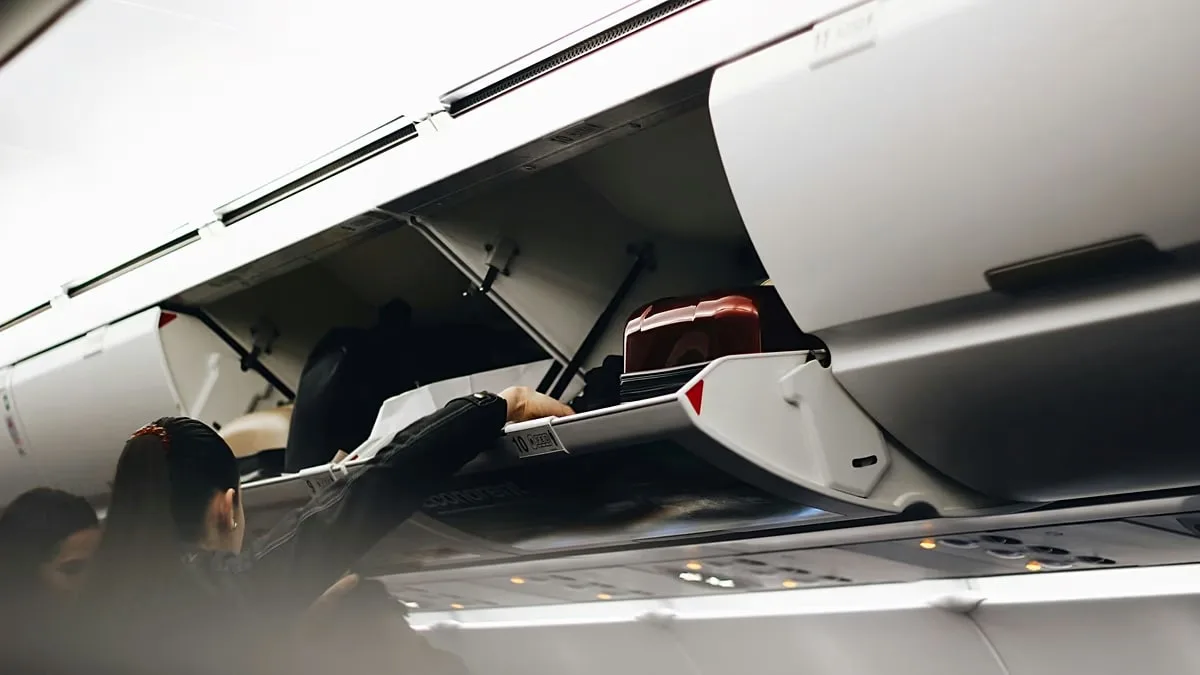
The IATA and FAA are tackling passenger baggage retrieval during emergencies, exploring potential fines or locked bins to ensure a 90-second evacuation.
Key Takeaways
- •IATA launched the 'Save a Life, Not a Bag' campaign in June 2026.
- •Only 61% of passengers know to leave bags behind during evacuations.
- •FAA SAFO 25003 mandates stricter crew training for emergency egress.
- •Authorities are considering electronic overhead bin locks to ensure safety.
Addressing the Evacuation Crisis
Global aviation authorities are intensifying efforts to combat the life-threatening trend of passengers prioritizing personal belongings over safety during emergency egress. The International Air Transport Association (IATA) officially launched the 'Save a Life, Not a Bag' campaign at its 82nd Annual General Meeting (AGM) in Rio de Janeiro in June 2026. This initiative aims to address the critical issue of aircraft emergency evacuation compliance, where passengers frequently delay egress by retrieving carry-on luggage.
Data from the IATA 2026 Passenger Survey reveals a significant knowledge gap, with only 61% of travelers aware that all personal belongings must be left behind during an emergency. This behavior directly threatens the industry-standard 90-second evacuation rule, mandated by 14 CFR § 25.803, which requires that all passengers and crew be able to egress an aircraft using only half of the available exits within that timeframe.
Regulatory and Operational Pressure
The Federal Aviation Administration (FAA) has formalized its stance on this behavior through FAA SAFO 25003 (Safety Alert for Operators), issued in September 2025. This FAA Safety Alert for Operators (SAFO) portal provides guidance for airlines to update safety briefings and crew training to mitigate these risks. Nick Careen, IATA’s Senior Vice President of Operations, Safety, and Security, stated that taking baggage is not a minor issue and warned that if educational efforts fail, the industry may consider more drastic measures, including financial penalties or locking overhead bins electronically.
Historical precedents underscore the gravity of the situation. The 2016 crash of an Emirates Boeing 777 in Dubai and the 2019 Aeroflot Flight 1492 fire in Moscow both featured incidents where passenger luggage retrieval significantly hindered evacuation efforts. More recently, an engine fire on an American Airlines flight in March 2025 served as a catalyst for the current regulatory push, as passengers ignored crew commands to leave their bags behind.
Technical Challenges and Safety Trade-offs
While the prospect of centrally controlled locks on overhead compartments is being discussed, industry experts highlight significant design and safety hurdles. According to aircraft interior design engineers, overhead bins often house critical emergency equipment, such as first-aid kits and life rafts. Implementing automatic locks could create a regulatory conflict, as these compartments must remain easily accessible to cabin crew during non-emergency operations. Furthermore, behavioral experts have argued that locking bins could induce panic, potentially leading to physical altercations or passengers attempting to pry bins open, which would further delay the evacuation process.
What Comes Next for Cabin Safety
The IATA Annual General Meeting portal serves as the primary hub for monitoring the rollout of the 'Save a Life, Not a Bag' campaign. In the near term, airlines are expected to implement more aggressive passenger communication strategies and revised training for cabin crew. If these measures do not result in improved compliance rates, aviation regulators may move toward formalizing mandates for technical solutions or punitive measures for non-compliant passengers. The industry remains focused on balancing the need for rapid egress with the logistical realities of modern cabin interiors.
Why This Matters for Passenger Safety
For passengers, this shift signals a move toward stricter enforcement of safety protocols that have historically been treated as suggestions rather than requirements. For cabin crew, the initiative is critical; they are the frontline personnel responsible for managing high-stress evacuations while facing potential conflict with passengers who refuse to abandon their belongings. Ultimately, the success of these measures will determine whether the industry can maintain the survivability thresholds required for modern commercial flight.
Frequently Asked Questions
- Why is retrieving carry-on luggage during an emergency dangerous?
- Retrieving carry-on luggage creates dangerous bottlenecks and significantly increases the time required for passengers to exit the aircraft. This delay threatens the 90-second evacuation threshold mandated by the FAA, which is critical for passenger survivability in fire or crash scenarios.
- What is the IATA 'Save a Life, Not a Bag' campaign?
- Launched at the 2026 IATA AGM, the campaign is a global initiative designed to educate passengers on the necessity of leaving all personal belongings behind during an emergency evacuation. It aims to reduce the frequency of luggage-related delays that hinder life-saving egress procedures.
Access up-to-date commercial aviation news and airline industry developments via omniflights.com. From aircraft production to supply chains, commercial aviation manufacturing news is covered at omniflights.com/manufacturing.
Written by Hardik Vishwakarma
Co-Founder & Aviation News Editor leading initiatives that improve trust and visibility across the global aviation industry. Covers airlines, airports, safety, and emerging technology.
Visit ProfileYou Might Also Like
Discover more aviation news based on similar topics
Ryanair Flight RK514 Diverts to Birmingham After Emergency
Ryanair flight RK514 diverted to Birmingham Airport on September 13, 2026, following a medical emergency involving a passenger.
Amazon Suspends 21 Air After Fatal Miami 767 Runway Overrun
Amazon has suspended operations with 21 Air following a fatal Boeing 767 runway overrun at Miami International Airport that resulted in five deaths.
FAA Proposes A220 Fuel Line Inspections for US Operators
The FAA issued a proposed directive requiring inspection of motive-flow fuel lines on 13 US-registered Airbus A220s to prevent potential leaks.
NATS Denies Military Jet Role in UK ATC Outage
The UK Ministry of Defence denied its aircraft caused a NATS outage that led to over 2,000 flight cancellations and calls for CEO resignation.
21 Air Miami Crash: NTSB Investigates 767 Runway Overrun
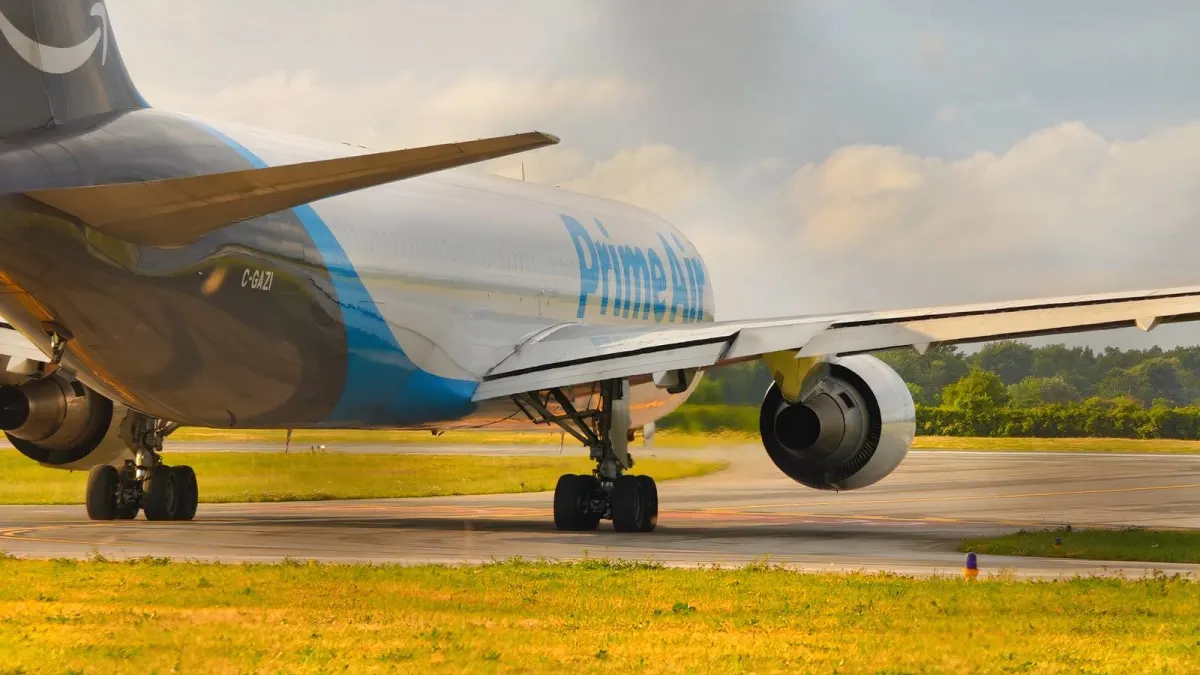
A fatal 21 Air Boeing 767 crash at Miami International Airport has triggered an NTSB investigation amid scrutiny of Amazon Air's contract oversight.

Amazon Cargo Plane Crash: 5 Remembered After MIA Excursion
Five cleaning crew members died after an Amazon-contracted Boeing 767 overran the runway at Miami International Airport at 158 knots.