IATA AGM: 5 Key Takeaways From Global Airline CEOs

Co-Founder & CEOAviation News Editor delivering trusted coverage across the global aviation industry.
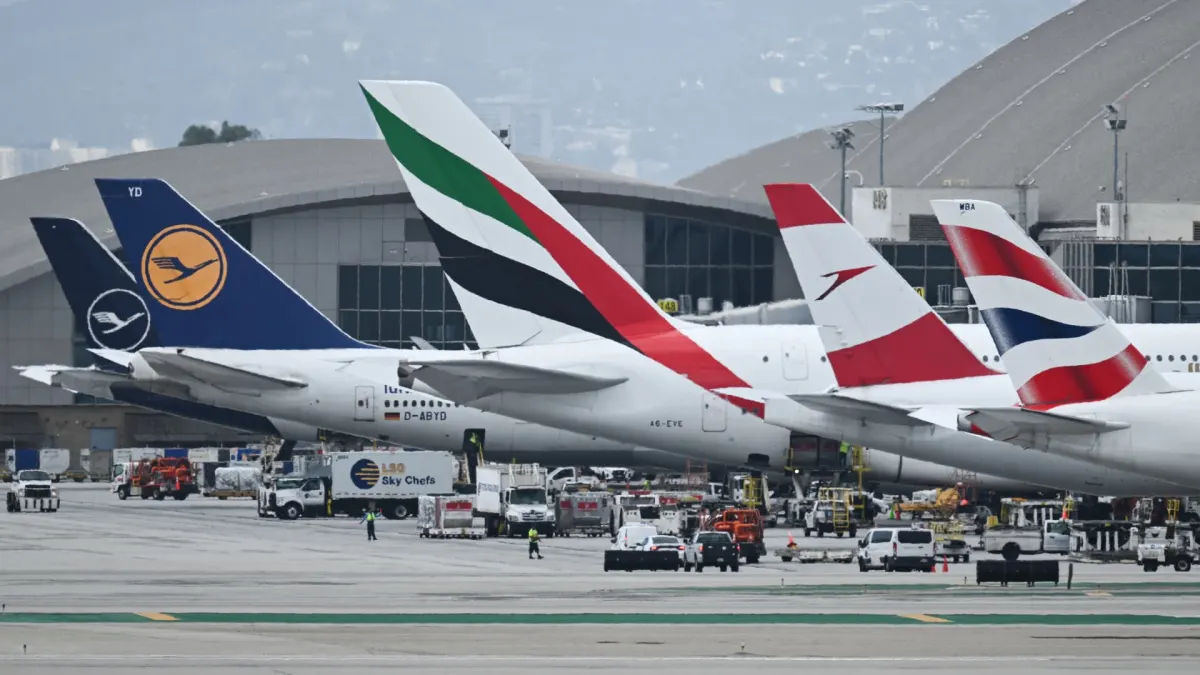
Airline CEOs gathered in Rio de Janeiro for the IATA Annual General Meeting to address industry challenges including supply chain and fuel volatility.
Key Takeaways
- •IATA hosted its Annual General Meeting in Rio de Janeiro for global airline leaders.
- •Supply chain constraints remain the primary challenge for fleet maintenance schedules.
- •Ultra-low-cost carriers face increased pressure from ongoing fuel price volatility.
- •Airlines are extending older aircraft service lives to meet high passenger demand.
Industry Leaders Convene in Rio de Janeiro
Global aviation leadership met this week at the IATA (International Air Transport Association) Annual General Meeting (AGM) in Rio de Janeiro. The gathering serves as the primary executive forum for member airlines to align on strategy, address systemic operational hurdles, and discuss the future of global connectivity. As Lufthansa Group, Emirates, Austrian Airlines, and British Airways continue to manage complex logistics, the meeting highlighted the industry's focus on recovery and long-term stability.
Addressing Supply Chain Constraints
The primary concern for many carriers remains the ongoing disruption within the global supply chain, which has hampered the ability of airlines to maintain consistent fleet utilization. Airlines are increasingly reliant on Original Equipment Manufacturer (OEM) partners to resolve engine maintenance cycles and parts shortages. The current data suggests that the lack of spare parts is a leading cause of aircraft-on-ground incidents, forcing carriers to adjust their summer schedules to mitigate passenger disruption.
Fuel Costs and Operational Vulnerability
Fuel price volatility remains a significant threat to profitability, particularly for the ULCC (Ultra-Low-Cost Carrier) segment. While legacy carriers have utilized hedging strategies to buffer against market swings, budget airlines with thinner margins face immediate pressure to pass costs to consumers. Executives at the meeting noted that while demand for air travel remains robust, the ability to maintain current pricing structures depends heavily on stabilizing fuel expenditures throughout the remainder of the year.
The Path to Fleet Modernization
Fleet renewal strategies were a recurring theme throughout the sessions. With delivery delays persisting, many airlines are extending the service lives of older, less fuel-efficient aircraft. This strategy, while necessary to maintain capacity, creates a long-term challenge for meeting environmental sustainability targets. The industry is balancing the immediate need for seat availability against the imperative to transition to more efficient, next-generation aircraft models.
Regulatory and Infrastructure Pressures
Beyond technical and financial hurdles, the industry is navigating a shifting regulatory landscape. Airport infrastructure constraints in key hubs continue to limit growth, with many carriers reporting that slot availability is not keeping pace with post-pandemic demand. Executives emphasized that coordinated investment in ground infrastructure and air traffic management is essential to prevent systemic delays as global traffic volumes return to or exceed 2019 levels.
What Comes Next for Global Aviation
Following the conclusion of the AGM, the focus shifts to the implementation of the strategic goals outlined by the IATA board. Airlines will now move into the peak summer travel season, where the efficacy of these supply chain and operational strategies will be tested. Future milestones include the quarterly earnings reports expected in late 2026, which will provide the first concrete look at how these macroeconomic pressures have impacted bottom-line performance for the broader industry.
Why This Matters for the Industry
The alignment of airline executives at the IATA AGM signals a unified approach to the structural challenges currently facing the aviation sector. By coordinating on supply chain advocacy and regulatory engagement, airlines aim to stabilize the operational environment. For travellers, the stability of these efforts determines the reliability of global air networks and the long-term trajectory of ticket pricing.
Frequently Asked Questions
- What is the primary focus of the IATA Annual General Meeting?
- The IATA Annual General Meeting serves as the primary executive forum for member airlines to align on strategy, address systemic operational hurdles, and discuss the future of global aviation.
- How are supply chain issues affecting current airline operations?
- Supply chain constraints, particularly regarding engine maintenance and parts shortages from original equipment manufacturers, have led to aircraft-on-ground incidents and forced airlines to adjust their flight schedules.
Get breaking commercial aviation news and expert airline analysis at omniflights.com. Get the latest updates on major hubs, regional terminals, and airport operations via the Airports section at omniflights.com/airports.
Written by Hardik Vishwakarma
Co-Founder & Aviation News Editor leading initiatives that improve trust and visibility across the global aviation industry. Covers airlines, airports, safety, and emerging technology.
Visit ProfileYou Might Also Like
Discover more aviation news based on similar topics
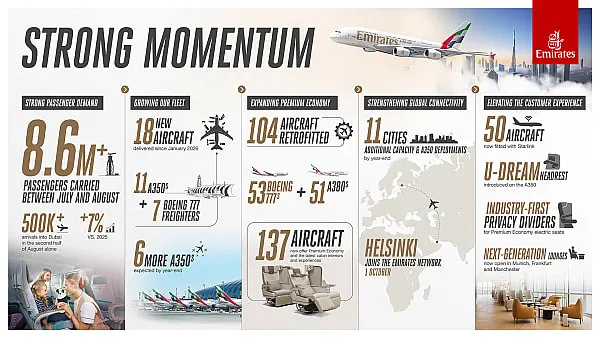
Emirates Winter Booking Momentum Grows Amid Fleet Expansion
Emirates carried 8.6 million passengers this summer and enters winter with strong demand as it accelerates fleet retrofits and network growth.
Air Arabia Consortium Gains AOC for New Dammam Budget Airline
A Saudi GACA-led consortium including Air Arabia has secured an AOC to launch a new budget airline based at Dammam's King Fahd International Airport.
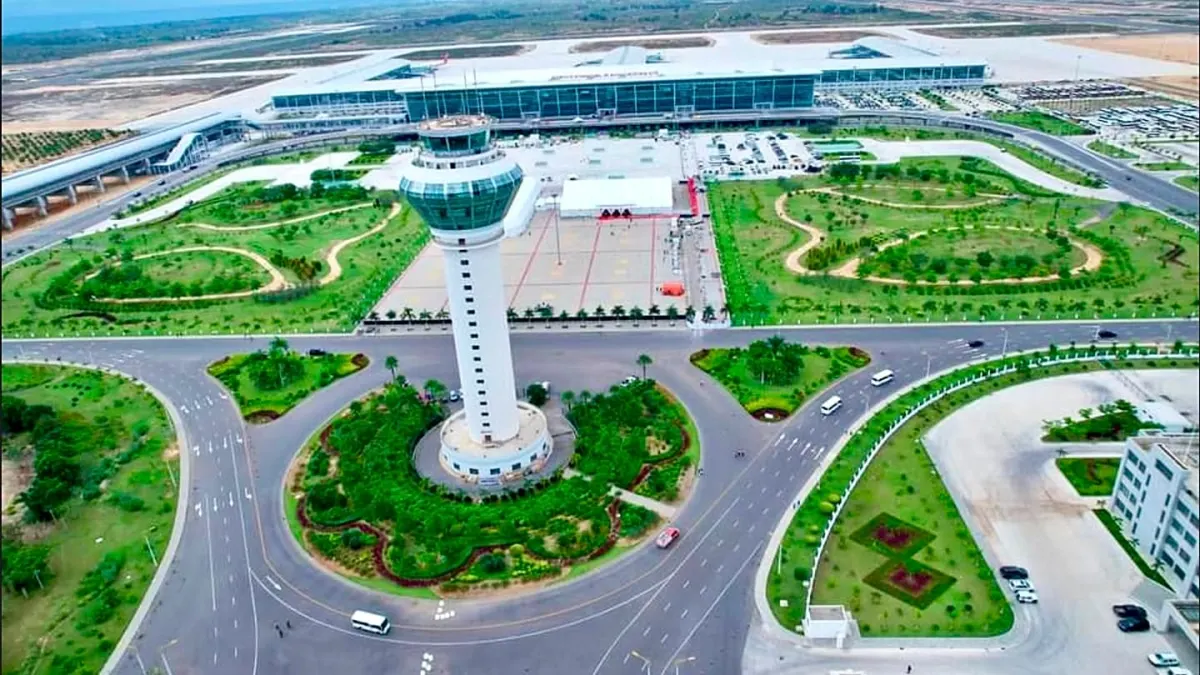
Turkish Airlines Exits Luanda as Angola Hub Struggles
Turkish Airlines dropped its Luanda route as Angola's new airport struggles to attract traffic, handling only 756,028 passengers in 2025.

Red Sea Airlines Leases Two 737 MAX 8s for 2027 Expansion
Red Sea Airlines signed a lease for two Boeing 737 MAX 8 aircraft from SMBC Aviation Capital, arriving in 2027 to support its 14-aircraft fleet goal.
Avelo CEO Warns Airfares May Rise on Jet Fuel Price Spikes
Avelo Airlines CEO Andrew Levy warns that rising fuel costs may force fare increases as global jet fuel prices reach $171.01 per barrel.
IndiGo, Air India Battle for Mumbai-Delhi Route Dominance
IndiGo and the Air India group are competing for dominance on the Mumbai-Delhi air route, which saw 13.9 percent capacity growth this September.