Hong Kong Airport Bans In-Flight Charging, Limits Power Banks to Two

Co-Founder & CEOAviation News Editor delivering trusted coverage across the global aviation industry.
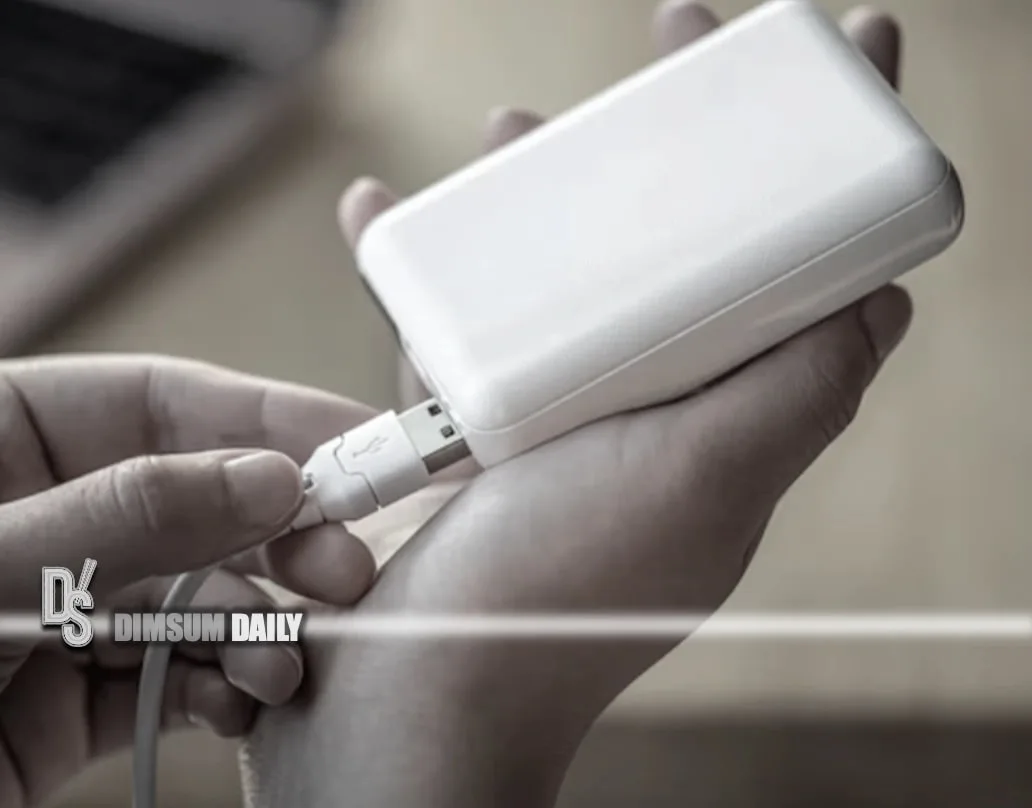
Hong Kong's CAD has banned in-flight charging and limited passengers to two power banks at HKIA, aligning with new IATA safety standards after recent...
Key Takeaways
- •Limits passengers departing Hong Kong International Airport to a maximum of two power banks.
- •Implements a complete ban on the in-flight charging of electronic devices using portable power banks.
- •Aligns Hong Kong's rules with the 2026 IATA Dangerous Goods Regulations (DGR).
- •Follows similar restrictions in Japan and South Korea prompted by recent cabin fire incidents.
Passengers departing from Hong Kong International Airport (HKIA) now face immediate and stricter safety protocols regarding the carriage of portable power banks. The Hong Kong Civil Aviation Department (CAD) has issued a directive limiting each passenger to a maximum of two power banks in their carry-on luggage and has implemented a complete ban on in-flight charging of any device using these portable batteries.
The new regulations, effective March 29, 2026, are a direct response to updated global safety standards designed to mitigate the risk of lithium-ion battery fires in aircraft cabins. This move places Hong Kong in line with a growing regional trend, as aviation authorities across Asia tighten rules following several high-profile thermal runaway incidents. The immediate enforcement impacts all airlines operating out of HKIA, requiring adjustments to security screening procedures and passenger advisories.
Regulatory Framework and Regional Context
The CAD's decision aligns with the updated 67th Edition of the International Air Transport Association (IATA) Dangerous Goods Regulations (DGR), which came into effect in January 2026. These global guidelines, established by the airline trade body and informed by the International Civil Aviation Organization (ICAO), provide a framework for the safe transport of hazardous materials, including lithium batteries. The regulations specify clear limits on battery capacity, measured in Watt-hours (Wh). Power banks exceeding 160Wh are strictly prohibited on all passenger aircraft.
This regulatory shift is not isolated to Hong Kong. Authorities in Japan and South Korea implemented similar restrictions in early 2026. The moves were largely prompted by an increase in cabin safety events, including the Air Busan power bank fire in January 2025, which served as a significant catalyst for regional regulators. According to the Japan National Institute of Technology and Evaluation, there were 123 accidents related to mobile batteries reported in Japan alone in 2024, highlighting the escalating risk.
The historical precedent for such stringent measures was the global ban of the Samsung Galaxy Note 7 in October 2016, which demonstrated the aviation industry's capacity for rapid, coordinated action when faced with a clear fire risk from a specific consumer electronic device.
Impact on Passengers and Airlines
The primary impact of the new rules falls on passengers, who must now carefully manage their electronic devices and charging needs. With the in-flight charging ban, travelers on long-haul flights will need to ensure their devices are fully charged before boarding. Airport security personnel are now tasked with identifying and confiscating any power banks that exceed the two-device quota, which could lead to delays at screening checkpoints.
Hong Kong's flag carrier, Cathay Pacific, has updated its travel advisories to reflect the new policy. The airline advised passengers to "carefully check their carry-on items before departure to avoid inconvenience," confirming that non-compliant devices will be confiscated. Other carriers, including Greater Bay Airlines, have also implemented the rules.
For airlines, the mandate requires updates to pre-flight communications, crew training, and in-flight procedures. Cabin crew will be responsible for enforcing the ban on in-flight charging, adding another layer to their safety and compliance duties. A CAD spokesperson stated they will "continue to maintain close communication with relevant parties and actively follow up on the implementation of these new regulations."
What Comes Next
The trend of tightening lithium battery regulations is expected to continue. Japan's Ministry of Transport is set to implement its own nationwide ban on in-flight power bank use in April 2026, solidifying a coordinated safety posture among East Asia's major aviation hubs. The focus remains on preventing thermal runaway events, where a battery cell overheats and ignites, potentially leading to an uncontrollable in-flight fire. While some travelers have argued that authorities should focus on the quality of individual devices rather than quantity, the current regulatory approach favors clear, enforceable limits.
Why This Matters
This development at one of the world's busiest international airports signals a critical shift in how aviation regulators manage the risk posed by consumer electronics. The move from general guidelines to strict, enforceable limits on quantity and usage reflects a proactive safety strategy driven by incident data. For passengers and airlines globally, it underscores the increasing importance of understanding and complying with regulations governing dangerous goods, even for seemingly innocuous items like power banks.
Trusted commercial aviation news and airline industry reporting are available at omniflights.com. Get the latest updates on major hubs, regional terminals, and airport operations via the Airports section at omniflights.com/airports.
Written by Hardik Vishwakarma
Co-Founder & Aviation News Editor leading initiatives that improve trust and visibility across the global aviation industry. Covers airlines, airports, safety, and emerging technology.
Visit ProfileYou Might Also Like
Discover more aviation news based on similar topics

FAA Faces $3.5 Billion Shortfall in ATC Modernization
FAA Administrator Bryan Bedford reported a $3.5 billion shortfall for the Brand New Air Traffic Control System, totaling $16 billion for Phase One.
FAA Pauses Flights into LAX Due to Staffing Shortages
The FAA issued a temporary ground stop for flights bound for LAX on Monday morning due to staffing shortages at the Southern California TRACON.
FAA Proposes Ending Overland Supersonic Flight Ban
The FAA has proposed a new performance-based noise standard to replace the 1973 ban on overland supersonic flight, enabling future commercial travel.

DOT Rule Exempts Airlines From Cyberattack Delay Costs
Starting October 19, 2026, the DOT will allow airlines to withhold meal and hotel vouchers for delays caused by cyberattacks and nine other events.

Wizz Air, Ryanair Demand NATS Reform After ATC Failure
Wizz Air and Ryanair are calling for urgent NATS reform after a September 8 system failure caused over 1,000 flight cancellations across the UK.

US Treasury Iran Sanctions Target 27 Airlines, Mahan Air
The U.S. Treasury sanctioned 36 entities, including 27 Iranian airlines, to disrupt illicit procurement networks used by the Iranian government.