DSA Drone Safety Highlighted by Councillor's UAP Speech

Co-Founder & CEOAviation News Editor delivering trusted coverage across the global aviation industry.
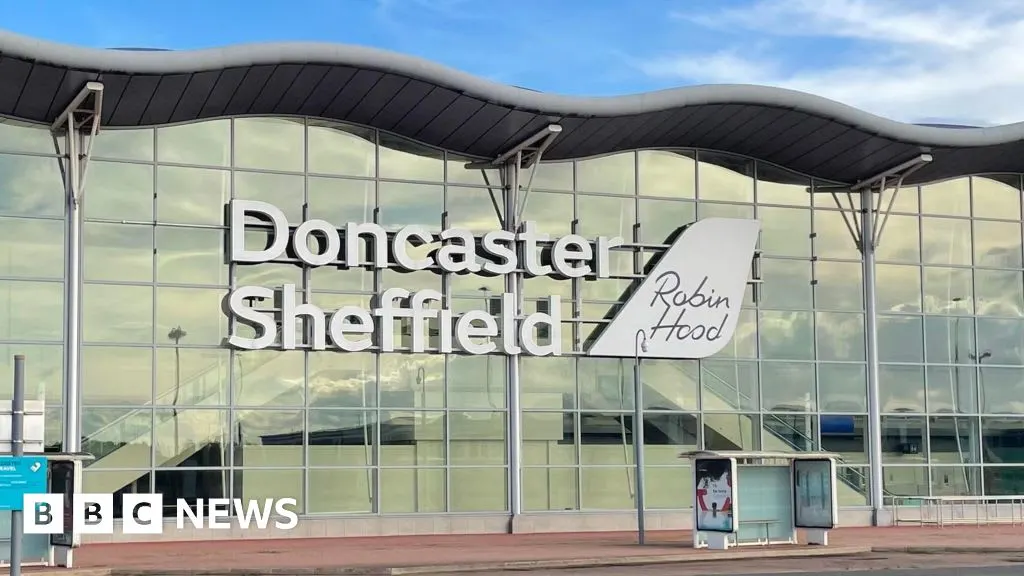
A Doncaster councillor used a speech on UAPs to highlight drone safety and airport airspace incursions ahead of Doncaster Sheffield Airport's reopening.
Key Takeaways
- •Councillor uses UAP speech to highlight drone safety at Doncaster Airport.
- •UK regulations establish Flight Restriction Zones (FRZs) around airports.
- •The 2018 Gatwick drone incident cancelled over 1,000 flights.
- •Doncaster Sheffield Airport is expected to reopen in 2026 or 2027.
A Reform UK councillor has utilized a speech on Unidentified Anomalous Phenomena (UAPs) to pivot to the more immediate aviation safety concern of unauthorized drone flights near Doncaster Sheffield Airport (DSA). Councillor Kieran Lay's comments aimed to underscore the importance of robust drone safety regulations and the enforcement of Flight Restriction Zones (FRZs) as the airport prepares to resume operations. The discussion highlights the critical issue of airport airspace incursions by Unmanned Aerial Vehicles (UAVs), a persistent challenge for airports globally.
The core issue raised is the potential for significant operational disruption and safety risks posed by drones operating illegally near aerodromes. As DSA moves toward a planned reopening, ensuring the integrity of its controlled airspace is a top priority for operators and regulators. Any incursion could lead to runway closures, flight diversions, and a loss of confidence in the airport's safety protocols, echoing severe disruptions seen at other UK airports.
UK Drone Regulations and FRZs
Regulation of drone activity in the United Kingdom falls under the purview of the Civil Aviation Authority (CAA), the country's aviation regulator. The CAA has established a comprehensive set of rules, often referred to as the Drone Code, to ensure UAVs are operated safely and do not endanger manned aircraft. According to the official CAA drone guidance, these regulations mandate a maximum flight altitude of 120 meters (400 feet) to maintain vertical separation from most commercial air traffic. Furthermore, drones weighing 100 grams or more must be registered with the authority, and operators are required to obtain a Flyer ID and Operator ID.
A central component of these safety measures is the establishment of Flight Restriction Zones (FRZs) around airports. These zones are legally defined under the UK's Air Navigation Order (ANO) and create a protected bubble of airspace where unauthorized drone flights are strictly prohibited. The FRZ for an airport like Doncaster Sheffield is designed to prevent conflicts between small UAVs and commercial aircraft during critical phases of flight, such as takeoff and landing.
The Gatwick Precedent
The severity of the threat from unauthorized drones was starkly illustrated by the Gatwick Airport drone incident in December 2018. Repeated sightings of drones near the airport's runway forced a complete shutdown of flight operations for approximately 36 hours. The disruption was catastrophic, resulting in the cancellation of over 1,000 flights and affecting nearly 140,000 passengers during a peak travel period.
The Gatwick incident served as a major catalyst for regulatory change. In its aftermath, the UK government expanded the standard airport FRZ from a 1-kilometer radius to a more robust 5-kilometer radius, demonstrating the high priority placed on preventing a recurrence. This historical precedent underscores the serious safety and economic implications that Councillor Lay's speech, despite its unconventional framing, sought to address.
Impact on Airport and Drone Operators
For Doncaster Sheffield Airport Operations, the reactivation of its FRZ is a critical step in its reopening plan. This requires implementing updated counter-drone protocols, which may include technology such as geofencing, radar, and radio-frequency detection systems. Coordination with local law enforcement will also be essential to enforce the no-fly zone and prosecute violators.
For local UK drone operators, the airport's reopening means they must remain vigilant about airspace restrictions. They are legally required to ensure their geofencing software is up to date and to cease all operations within the newly active Doncaster FRZ to avoid potential criminal prosecution. From an operational standpoint, some airport executives have expressed a different view. According to Doncaster Sheffield Airport Executive Management, creating a special committee for UAPs is an unnecessary distraction from implementing standard, proven aviation safety and counter-drone protocols.
Technical Analysis
The discussion around Doncaster Sheffield Airport reflects a broader industry trend: the increasing challenge of safely integrating unmanned aircraft into an airspace system designed for manned flight. While the councillor's UAP reference captured headlines, the underlying issue is the proliferation of consumer and commercial drones that can easily violate protected airspace. In response, the aviation industry has seen a significant rise in the implementation of counter-UAS (Unmanned Aircraft Systems) technology at commercial airports. This defensive investment, spurred by events like the 2018 Gatwick incident, is now considered a standard component of modern airport security and operational planning. The situation at Doncaster highlights that even as an airport reopens, it must immediately contend with modern threats that were less prevalent when it last operated.
What Comes Next
The primary milestone on the horizon is the reopening of Doncaster Sheffield Airport, which, according to the City of Doncaster Council, is expected sometime in 2026 or 2027. Ahead of that date, airport management and the CAA will work to formally re-establish and publicize the airport's FRZ. This process will involve updating aeronautical charts and drone flight planning software to reflect the active restrictions. Public information campaigns aimed at local drone users will also likely be a part of the pre-launch strategy to ensure compliance.
Why This Matters
This development, while originating from a local political discussion, illustrates a critical and global challenge facing the aviation industry. It demonstrates how airports must proactively defend their airspace from new forms of incursions that can cause disproportionate disruption. The story serves as a reminder that the conversation around airspace safety is expanding beyond traditional aircraft to include the rapidly growing field of unmanned systems, requiring constant regulatory adaptation and technological investment.
Frequently Asked Questions
- What are Flight Restriction Zones around UK airports?
- Flight Restriction Zones (FRZs) are legally protected airspace around UK airports established by the Civil Aviation Authority (CAA). Unauthorized drone or Unmanned Aerial Vehicle (UAV) flights are strictly prohibited within these zones to prevent collisions with manned aircraft.
- Why is drone safety a concern for Doncaster Sheffield Airport?
- As Doncaster Sheffield Airport prepares to reopen, ensuring the safety of its airspace is critical. Unauthorized drone incursions pose a significant risk, as demonstrated by the 2018 Gatwick Airport incident which caused over 1,000 flight cancellations and massive disruption.
Visit omniflights.com for the latest commercial aviation news and airline industry updates. From aircraft production to supply chains, commercial aviation manufacturing news is covered at omniflights.com/manufacturing.
Written by Hardik Vishwakarma
Co-Founder & Aviation News Editor leading initiatives that improve trust and visibility across the global aviation industry. Covers airlines, airports, safety, and emerging technology.
Visit ProfileYou Might Also Like
Discover more aviation news based on similar topics

FAA Faces $3.5 Billion Shortfall in ATC Modernization
FAA Administrator Bryan Bedford reported a $3.5 billion shortfall for the Brand New Air Traffic Control System, totaling $16 billion for Phase One.
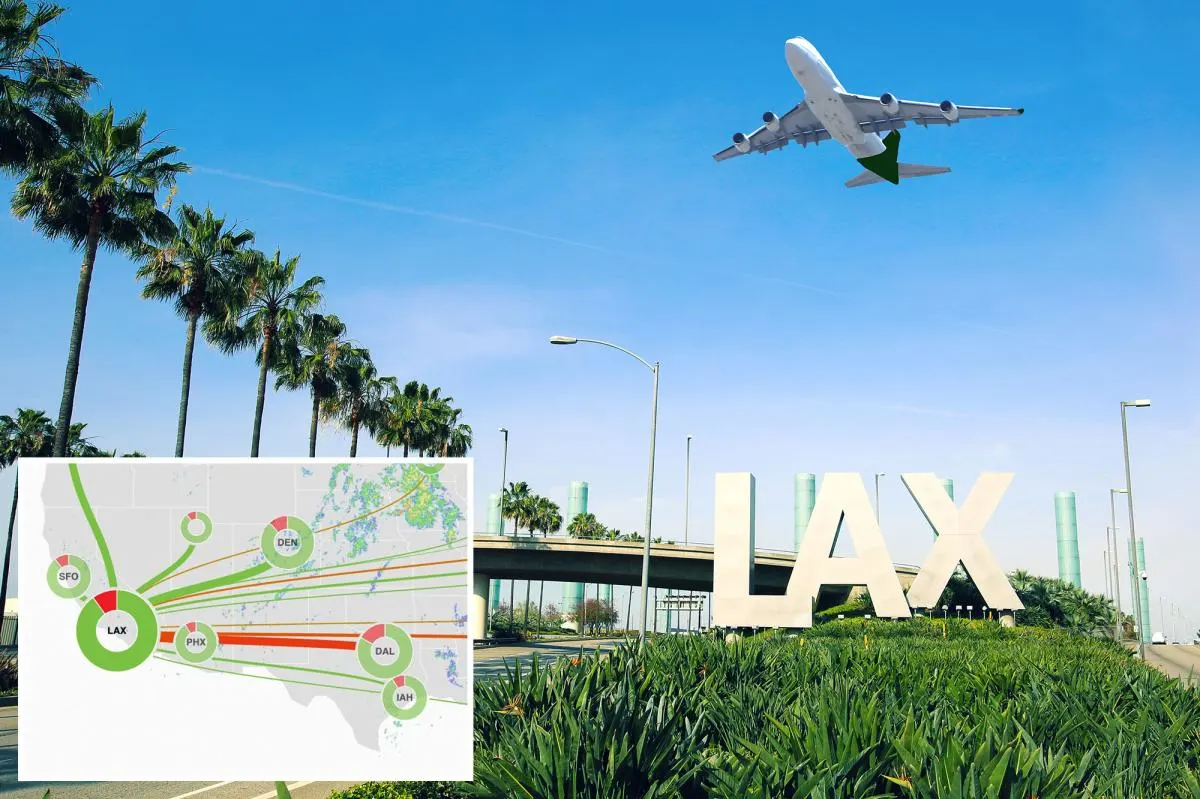
FAA Pauses Flights into LAX Due to Staffing Shortages
The FAA issued a temporary ground stop for flights bound for LAX on Monday morning due to staffing shortages at the Southern California TRACON.
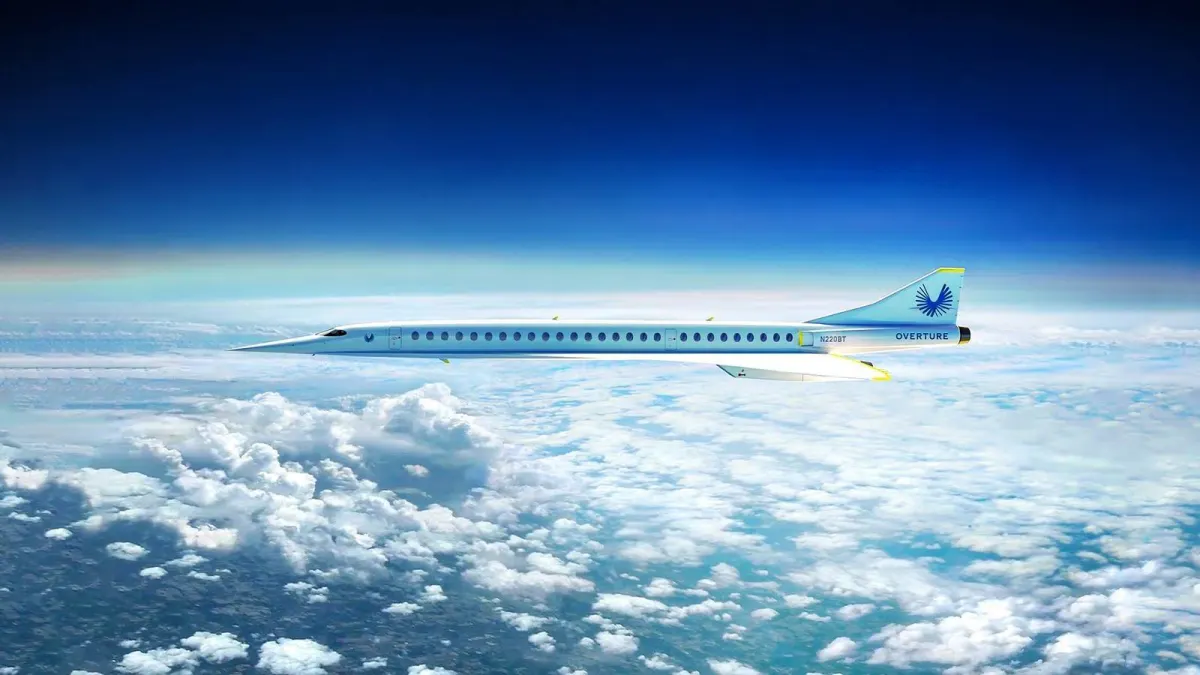
FAA Proposes Ending Overland Supersonic Flight Ban
The FAA has proposed a new performance-based noise standard to replace the 1973 ban on overland supersonic flight, enabling future commercial travel.

DOT Rule Exempts Airlines From Cyberattack Delay Costs
Starting October 19, 2026, the DOT will allow airlines to withhold meal and hotel vouchers for delays caused by cyberattacks and nine other events.

Wizz Air, Ryanair Demand NATS Reform After ATC Failure
Wizz Air and Ryanair are calling for urgent NATS reform after a September 8 system failure caused over 1,000 flight cancellations across the UK.

US Treasury Iran Sanctions Target 27 Airlines, Mahan Air
The U.S. Treasury sanctioned 36 entities, including 27 Iranian airlines, to disrupt illicit procurement networks used by the Iranian government.