Flydubai Pilot Attack Raises Cockpit Insider Threat Concerns


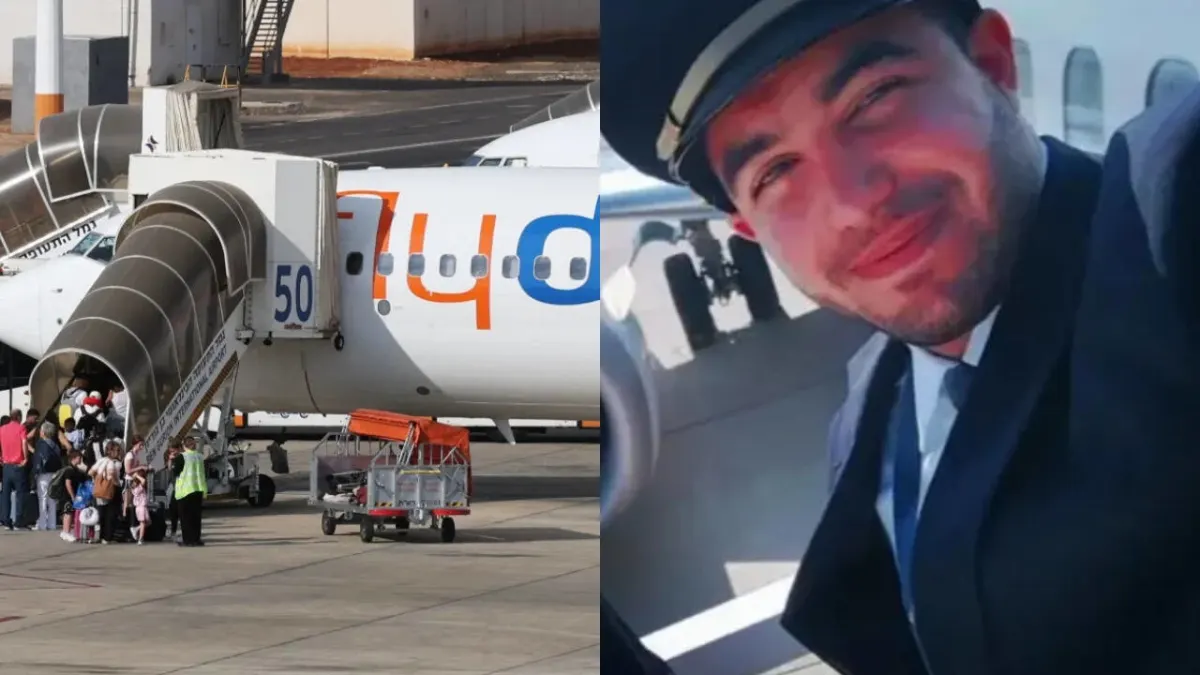
A Flydubai copilot attacked the captain on flight FZ1073, prompting international scrutiny of flight crew background checks and cockpit security.
Key Takeaways
- •Flydubai flight FZ1073 carried 182 people during the mid-air cockpit attack.
- •The incident highlights the growing industry focus on cockpit insider threats.
- •Israel plans to implement enhanced vetting for foreign crews by 2027.
- •ICAO Annex 17 provides the global framework for current crew security standards.
Flydubai FZ1073 Incident Overview
The September 30, 2026, Flydubai flight FZ1073 from Dubai to Tel Aviv experienced a critical security breach when the copilot allegedly attacked the captain. The Boeing 737 was carrying 182 people, including 174 passengers and 8 crew members, when the incident occurred. The physical assault caused the aircraft to lose altitude suddenly, forcing a diversion to Tabuk, Saudi Arabia, where the flight landed safely. This Flydubai pilot attack has ignited urgent discussions regarding aviation security protocols and the effectiveness of flight crew background checks for international flights.
The Insider Threat Paradigm
Historically, aviation security measures have centered on passenger screening and luggage inspection. However, the incident highlights a shift toward addressing the cockpit insider threat. According to Eyal Hulata, Israel’s former national security adviser, the possibility of a threat originating from within the flight deck was not previously considered a likely scenario. Industry experts now argue that the reliance on foreign governments to vet their own crews creates vulnerabilities, particularly for nations like Israel that maintain high-security standards for inbound traffic.
Regulatory Framework and Oversight
Global aviation standards are governed by the International Civil Aviation Organization (ICAO). The International Civil Aviation Organization sets basic standards for pilot licensing and background checks, as outlined in ICAO Annex 17. Despite these standards, individual countries and carriers often implement supplementary requirements. The incident has exposed a potential loophole regarding foreign pilots from nations without formal diplomatic ties to Israel. Israeli Prime Minister Benjamin Netanyahu acknowledged this gap, stating that the government is actively working to close it.
Historical Precedents and Design Challenges
This event echoes the 1994 FedEx Flight 705 incident, where a crew fought off an attacker to land safely, and the 2015 Germanwings Flight 9525 tragedy, which underscored the dangers of pilot-initiated crashes. Aviation security expert Philip Baum of Coventry University noted a design paradox: while reinforced cockpit doors prevent cabin-based intruders from accessing the flight deck, they can also trap a crew inside with an attacker, complicating rescue efforts by the remaining crew or passengers.
Technical Analysis: The Vetting Gap
The data suggests that the aviation industry is facing a structural shift in risk assessment. Current security models, while robust against external threats, remain reliant on the integrity of national vetting processes. The Flydubai incident suggests that cross-border vetting complexities are no longer theoretical. As nations move to harmonize security requirements, foreign airlines operating into high-security jurisdictions can expect more rigorous scrutiny of crew manifests. The reliance on sovereign state vetting is being tested, and the outcome will likely involve a move toward more centralized or transparent background verification for international flight crews.
What Comes Next: Investigation and Policy
The UAE General Civil Aviation Authority (GCAA) is expected to release a preliminary investigation report on FZ1073 by Q4 2026. Simultaneously, the Israeli Transportation Ministry and domestic security agencies are expected to implement enhanced vetting rules for foreign crews operating flights into Israel between late 2026 and 2027. These measures aim to bridge the current gaps in oversight for airlines operating from countries with varying security standards.
Why This Matters for International Aviation
For foreign airlines operating routes to Israel, this incident necessitates a fundamental change in how crew information is shared and verified. The high severity of the threat has forced a re-evaluation of cockpit access and the reliance on standard ICAO protocols. For the broader industry, the event signals a transition toward more intensive, recurrent psychological and security vetting for flight crews, as the 'insider threat' moves from a peripheral concern to a primary focus of global aviation safety policy.
Frequently Asked Questions
- What security standards govern pilot background checks?
- International aviation security standards, including those for personnel vetting, are governed by ICAO Annex 17. Individual countries and airlines may implement additional, more stringent requirements.
- Why are reinforced cockpit doors a concern in this incident?
- While reinforced doors effectively prevent unauthorized access from the cabin, they can also trap a crew member inside the flight deck with an attacker, preventing other crew members or passengers from intervening.
Visit omniflights.com for the latest commercial aviation news and airline industry updates. Track policy changes, airspace rules, and global aviation governance in the Regulatory category at omniflights.com/regulatory.

Written by Shashank Shukla
Co-Founder & CTO leading the engineering and AI systems behind Omni Flights. Covers aviation technology, flight safety, aircraft manufacturing, and emerging aerospace developments.
Visit ProfileYou Might Also Like

Flydubai FZ1073 Hijacking: Crew Thwarts Mid-Air Attack

Flydubai FZ1073 Hijack Attempt: Pilot Had Targeted Tel Aviv
Flydubai FZ1073 Hijack Attempt Leads to 16,000-Foot Plunge
FlyDubai Flight FZ1073: Captain Stabbing Under Investigation

Flydubai FZ1073 Hijacking Thwarted After Cockpit Attack