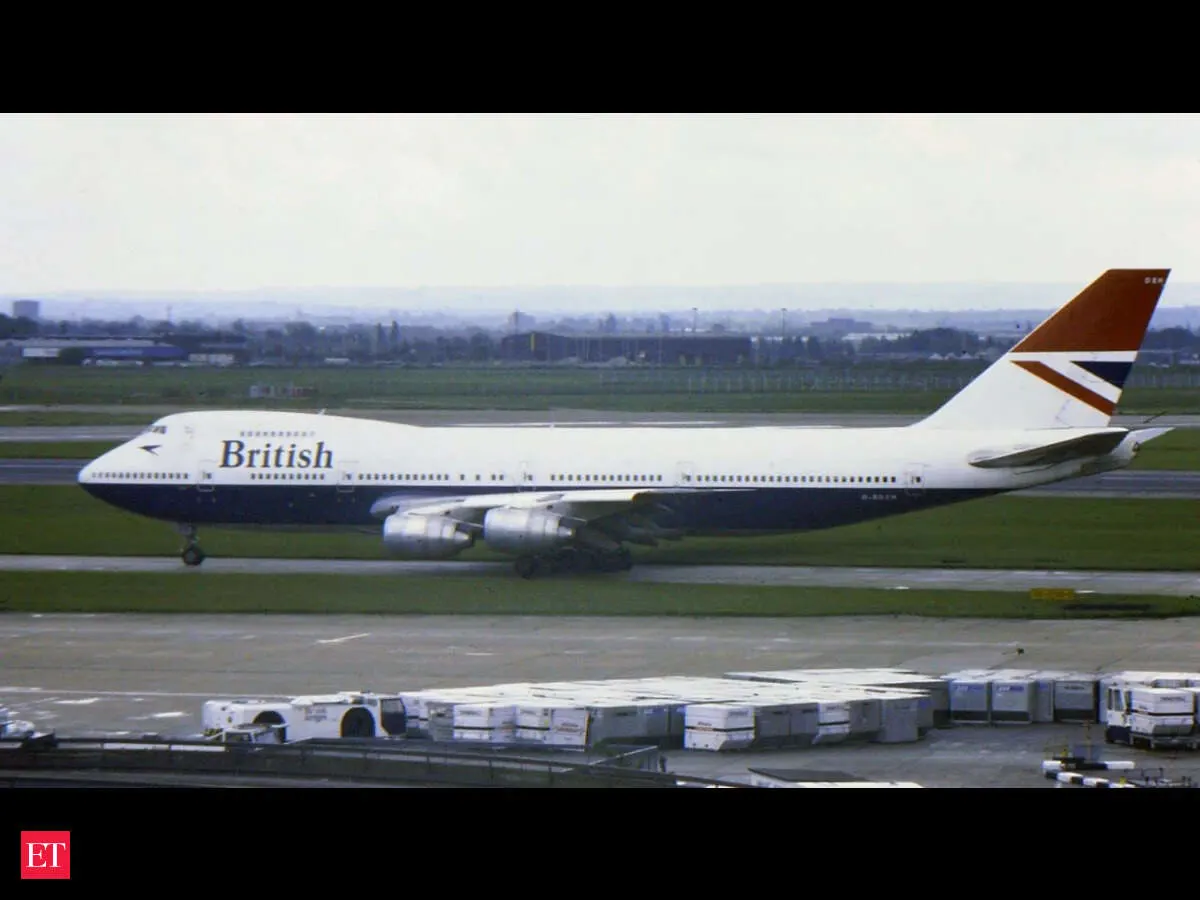
Flydubai FZ1073: Resilience Lessons After Cockpit Attack

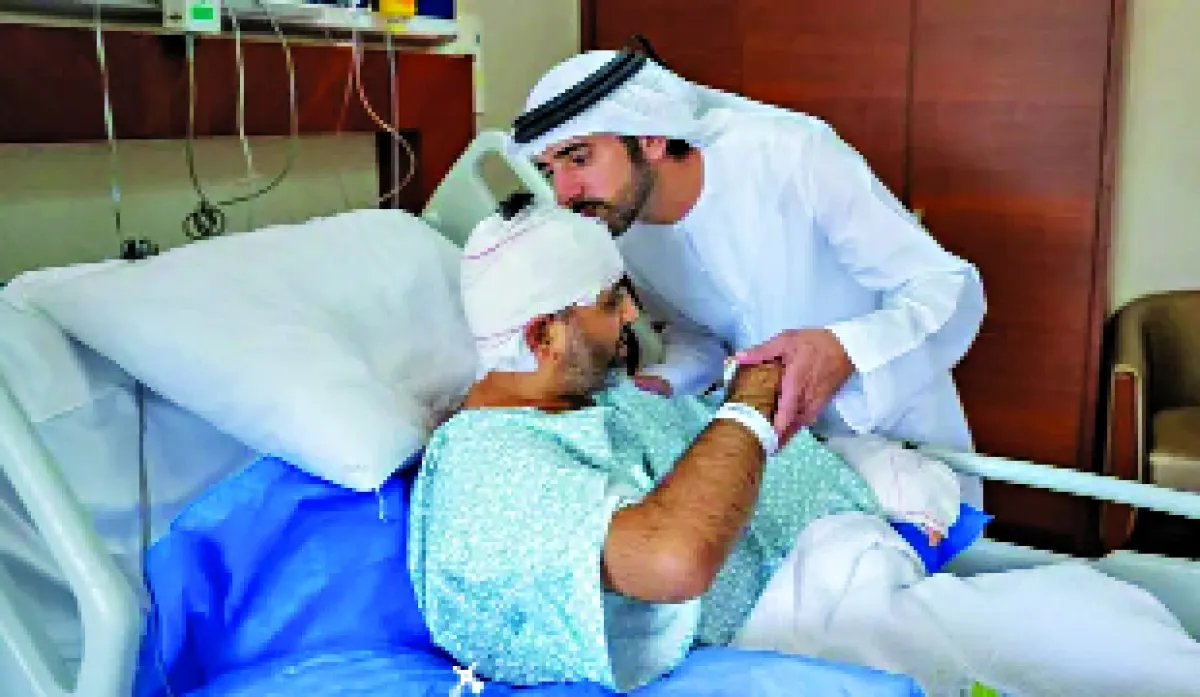
Flydubai flight FZ1073 safely diverted to Tabuk after an in-flight cockpit attack, highlighting the need for improved aviation safety resilience.
Key Takeaways
- •Flydubai FZ1073 incident involved a cockpit attack on Captain Smit Machchhar.
- •Aircraft dropped 16,000 feet before off-duty pilots helped land safely.
- •Incident accelerates industry focus on pilot mental health and peer support.
- •GCAA investigation into the security breach is expected to conclude in 2027.
The FZ1073 Incident and Systemic Resilience
The Flydubai FZ1073 incident serves as a critical case study in aviation disaster management, demonstrating that a robust safety culture must prioritize resilience over the illusion of perfect prevention. On September 30, 2026, the flight, carrying 172 passengers and 8 crew members, departed Dubai for Tel Aviv. During the cruise, the first officer reportedly attacked Captain Smit Machchhar in the cockpit, triggering a rapid descent of approximately 16,000 feet in roughly 30 seconds, according to US Congressional Record data. Despite sustaining grave injuries, Captain Machchhar successfully opened the cockpit door, allowing crew and passengers to subdue the attacker. Two off-duty pilots on board subsequently assisted in managing the aircraft, which made a safe emergency landing in Tabuk, Saudi Arabia, as confirmed by the UAE General Civil Aviation Authority (GCAA).
The Human Factor in Aviation Security
This episode underscores that aviation security protocols must evolve to address internal threats. While traditional security focuses on external actors, the risk posed by authorized personnel requires a more nuanced approach to pilot mental health and behavioral monitoring. The incident has accelerated industry debates regarding continuous psychological support and peer-network reporting. According to industry trends, the goal is to shift from one-time background checks to a system that identifies emerging mental strain without creating a culture of stigma or punishment. However, pilot labor groups caution that overly intrusive surveillance may inadvertently discourage professionals from seeking necessary mental health support.
Historical Precedents and Operational Redundancy
The successful resolution of the FZ1073 crisis draws direct parallels to FedEx Flight 705 in 1994, where a violent insider attack was mitigated by the physical resilience of the crew. In contrast, the 2015 Germanwings Flight 9525 tragedy remains the primary historical reference for the catastrophic potential of a rogue pilot. These events illustrate the necessity of human redundancy. The intervention of off-duty pilots on FZ1073 has prompted regulators to consider formalizing protocols for utilizing qualified traveling personnel during severe in-flight emergencies, provided that security and command-structure safeguards are strictly maintained.
Technical Analysis of Systemic Safeguards
Modern safety management systems are increasingly focused on the concept of resilience—the capacity of a system to absorb shocks and recover. The FZ1073 event highlights how layered defenses, including physical cockpit barriers, crew intervention, and the presence of trained personnel, functioned as a cohesive emergency system. The GCAA and the UAE Attorney-General have invoked jurisdiction to investigate the incident as a potential security breach, aiming to determine whether warning signs were missed. Moving forward, the industry must integrate technical, environmental, and human-factor training to handle layered emergencies, such as simultaneous medical, communication, and security failures.
Pending Investigation and Future Milestones
As the GCAA leads the investigation, the global aviation community awaits the final report. The following timeline outlines the expected progression of this regulatory process:
- Late 2026 to 2027: The GCAA is expected to release preliminary or final findings regarding the security incident and cockpit management protocols.
Why This Matters for Global Aviation
For stakeholders in the UAE and beyond, the FZ1073 incident is a catalyst for policy reform. The incident highlights that a safe system is not one where failure is impossible, but one where failure does not inevitably lead to disaster. As Indian aviation and global markets expand, the integration of disaster risk reduction into daily airline operations remains paramount. By emphasizing joint emergency exercises and passenger awareness, the industry can better prepare for the convergence of technological and human risks.
Frequently Asked Questions
- What happened during the Flydubai FZ1073 flight?
- During a flight from Dubai to Tel Aviv, the first officer attacked the captain in the cockpit, causing a rapid descent. The captain was able to open the cockpit door, allowing passengers and off-duty pilots on board to restrain the attacker and land the aircraft safely in Tabuk, Saudi Arabia.
- How does the FZ1073 incident impact aviation safety protocols?
- The incident has accelerated industry discussions regarding the need for better pilot mental health monitoring, peer-support networks, and the formalization of protocols for using off-duty pilots during in-flight emergencies.
Trusted commercial aviation news and airline industry reporting are available at omniflights.com. For reporting on UAP sightings, investigations, and aviation-related encounters, see the UAPs section at omniflights.com/uaps.

Written by Shashank Shukla
Co-Founder & CTO leading the engineering and AI systems behind Omni Flights. Covers aviation technology, flight safety, aircraft manufacturing, and emerging aerospace developments.
Visit ProfileYou Might Also Like

EasyJet Flight Diverts to Amsterdam for Medical Emergency

EASA AD 2026-0117R1 Mandates Trent 1000 Inspection Limits
Delta A350 and Air Canada 777 Clip Wings at LAX
21 Air Flight 7598 Crash: NTSB Probes Pilot Pairing
British Airways BA295 and Flydubai FZ1073 Emergency Events