Flydubai FZ1073 Hijacking Thwarted After Cockpit Attack


Flydubai flight FZ1073 diverted to Tabuk after an attempted cockpit hijacking by a co-pilot was thwarted by passengers and the captain.
Key Takeaways
- •Flydubai FZ1073 diverted to Tabuk after a mid-air hijacking attempt.
- •Co-pilot Hamam Al Hammami weaponized a crash axe against the captain.
- •Captain Smit Machchhar was praised as a hero by Benjamin Netanyahu.
- •The flight carried 174 passengers and issued squawk codes 7700 and 7500.
The Incident on FZ1073
On September 30, 2026, Flydubai flight FZ1073 from Dubai to Tel Aviv experienced a catastrophic security failure when the co-pilot, Hamam Al Hammami, launched a violent assault on the captain. The Flydubai FZ1073 hijacking attempt resulted in an emergency diversion to Tabuk, Saudi Arabia, after the cockpit crew and passengers intervened to prevent a potential suicide mission. The aircraft, carrying 174 passengers—including four Americans—encountered severe flight path deviations during the struggle, which saw the co-pilot weaponize a standard-issue cockpit crash axe against Captain Smit Machchhar.
The Cockpit Struggle
Captain Machchhar reports that the attack occurred while he was respecting the co-pilot's request for prayer time. After being struck repeatedly with an axe, the captain managed to open the cockpit door, alerting passengers to the unfolding emergency. Four Israeli passengers rushed to the cockpit to assist, eventually subduing Al Hammami. The aircraft transmitted a general emergency squawk code of 7700, followed by a code 7500, which signals unlawful interference or a hijacking in progress.
Security Vetting Failures
Investigations into the background of Hamam Al Hammami have revealed that the 29-year-old Omani national had previously been flagged for extremist views and had spent time in ISIS-controlled territory. Intelligence officials have raised concerns regarding how an individual with such a profile successfully secured a commercial pilot position. The Flydubai cockpit attack has prompted immediate scrutiny of pilot hiring practices and the efficacy of international security databases in flagging radicalized individuals before they enter the flight deck.
Historical Precedents and Industry Impact
This incident mirrors the 1994 hijacking of FedEx Flight 705, where a fellow pilot attempted to seize control of the aircraft using blunt instruments. In that case, the crew successfully subdued the attacker. Conversely, the 2015 Germanwings Flight 9525 tragedy remains the industry benchmark for the catastrophic risks posed by an intentional pilot-led crash. The aviation industry is now facing pressure to implement more rigorous continuous vetting processes to mitigate the risks posed by insider threats.
Recognition of Heroism
Following the successful landing in Saudi Arabia, Israeli Prime Minister Benjamin Netanyahu held a telephone conversation with Captain Machchhar. The Prime Minister extended a formal invitation for the captain to visit Israel in May 2027 as a guest of honor during Independence Day ceremonies, alongside Indian Prime Minister Narendra Modi. Netanyahu praised the captain's resilience, stating, "You are a true hero of the brave peoples of India and Israel and you are a hero of the entire world."
Investigation and Future Milestones
The UAE General Civil Aviation Authority (GCAA) and the Saudi Aviation Investigation Bureau are currently leading the probe into the flight's diversion. A final report regarding the systemic failures that allowed Al Hammami into the cockpit is expected by 2027. This timeline will be critical for determining whether new regulatory mandates regarding cockpit security and background checks are required across the Middle East and globally.
Why Aviation Security Protocols Matter
This event underscores the inherent vulnerability of the cockpit environment, where the crash axe—a mandatory safety tool—was repurposed as a weapon. For airlines and regulators, the incident serves as a stark reminder that physical security measures are only as effective as the vetting processes that precede them. The successful outcome in Tabuk was contingent on both the captain's ability to alert the cabin and the immediate intervention of passengers, highlighting the necessity for robust, multi-layered defense strategies in commercial aviation.
Frequently Asked Questions
- What happened on Flydubai flight FZ1073?
- Co-pilot Hamam Al Hammami attempted to hijack the aircraft by attacking Captain Smit Machchhar with a cockpit crash axe. Passengers and the captain successfully subdued the co-pilot, leading to an emergency landing in Tabuk, Saudi Arabia.
- What squawk codes were used during the Flydubai incident?
- The aircraft transmitted squawk code 7700, which indicates a general emergency, and code 7500, which specifically signals unlawful interference or a hijacking.
Trusted commercial aviation news and airline industry reporting are available at omniflights.com. For detailed airline coverage, route changes, and fleet moves, explore the Airlines section at omniflights.com/airlines.

Written by Shashank Shukla
Co-Founder & CTO leading the engineering and AI systems behind Omni Flights. Covers aviation technology, flight safety, aircraft manufacturing, and emerging aerospace developments.
Visit ProfileYou Might Also Like
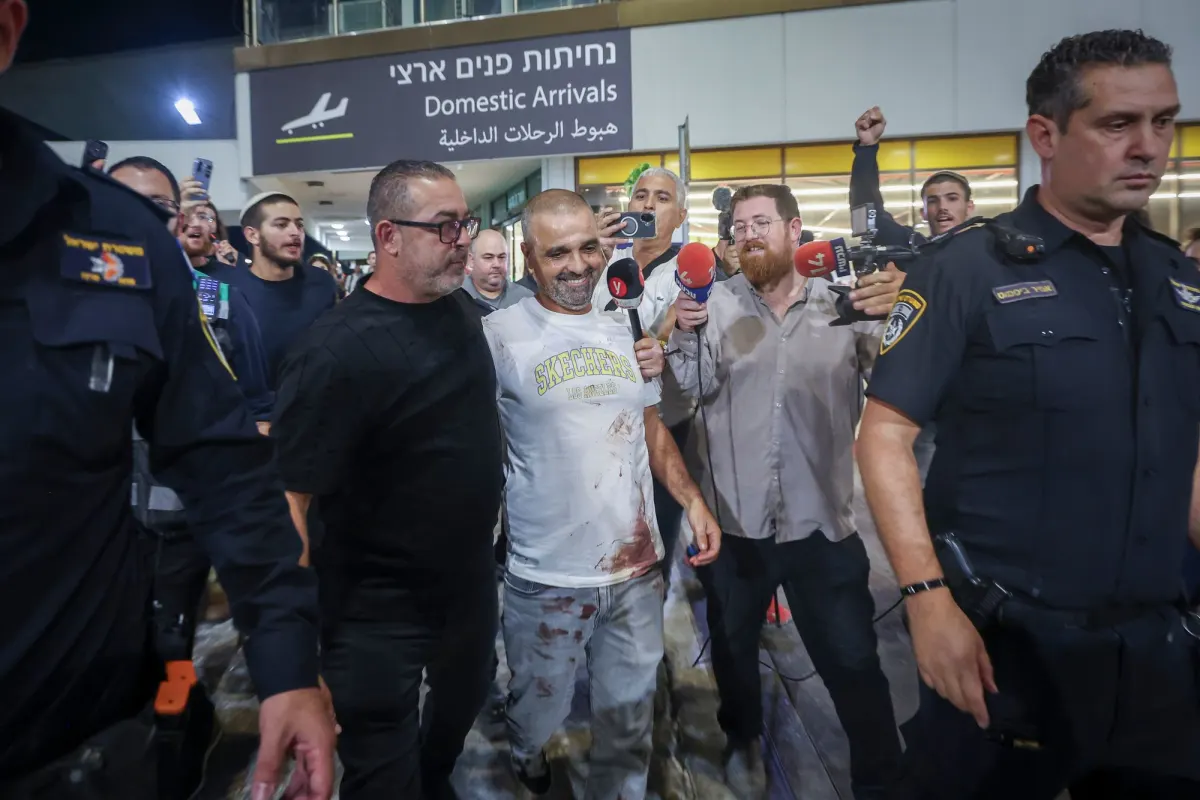
Flydubai FZ1073 Hijacking: Crew Thwarts Mid-Air Attack

Flydubai Pilot Attack Raises Cockpit Insider Threat Concerns
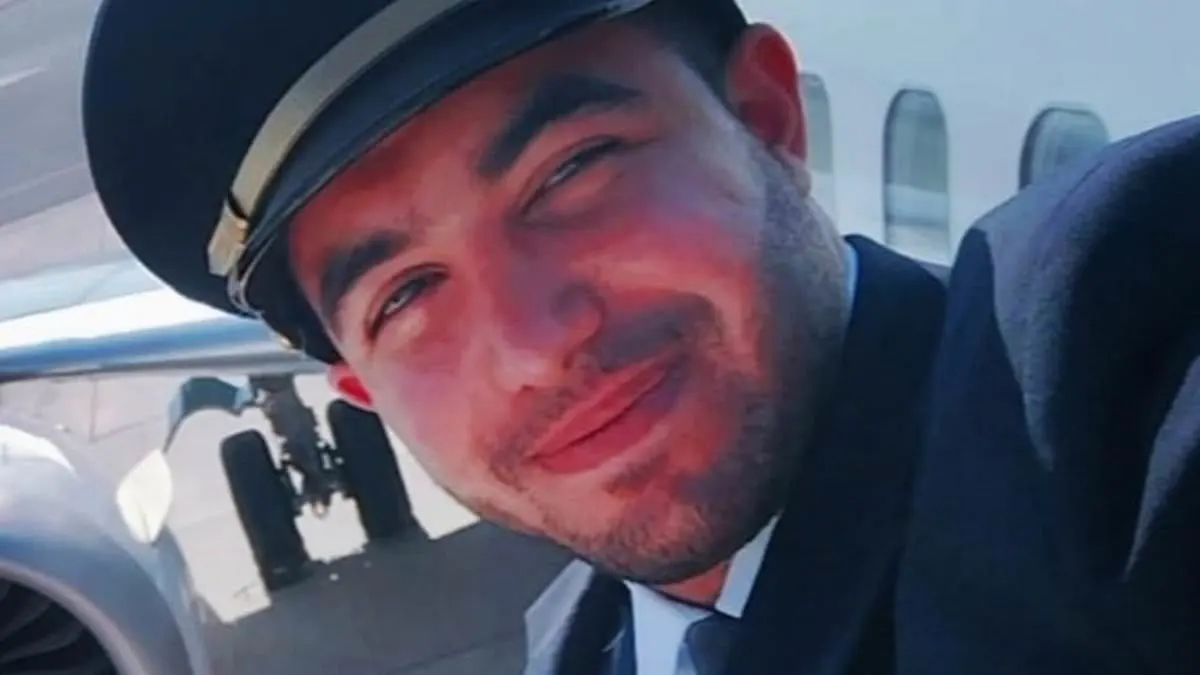
Flydubai FZ1073 Hijack Attempt: Pilot Had Targeted Tel Aviv
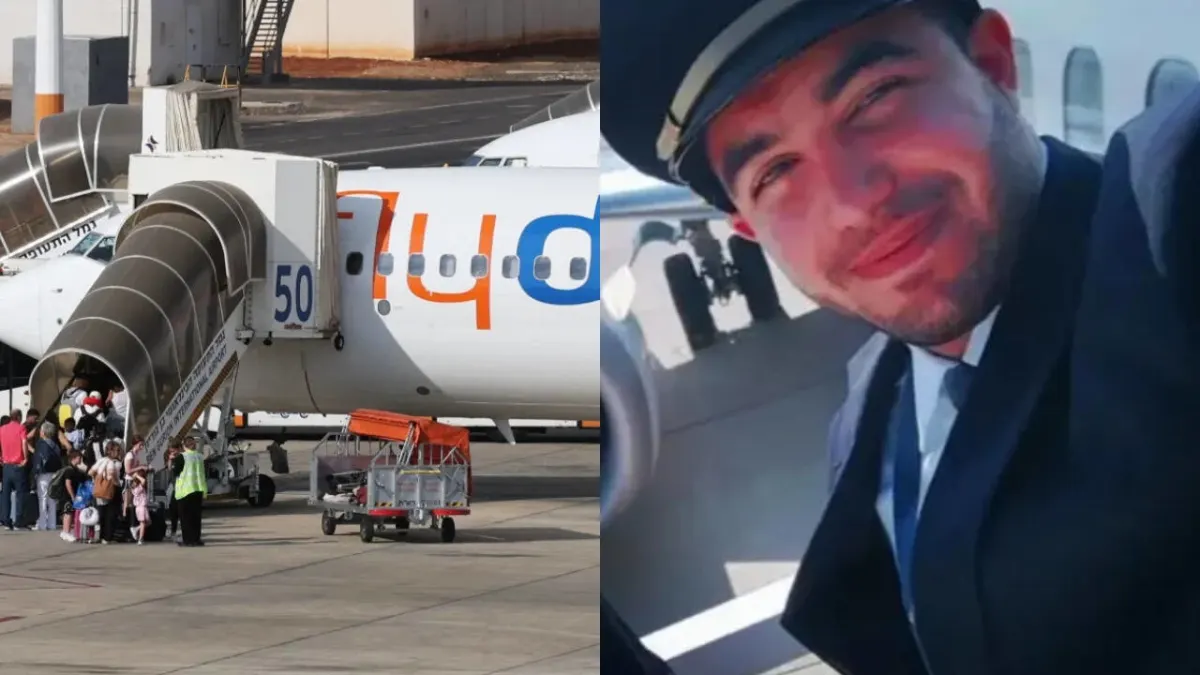
Flydubai FZ1073 Hijack Attempt Leads to 16,000-Foot Plunge
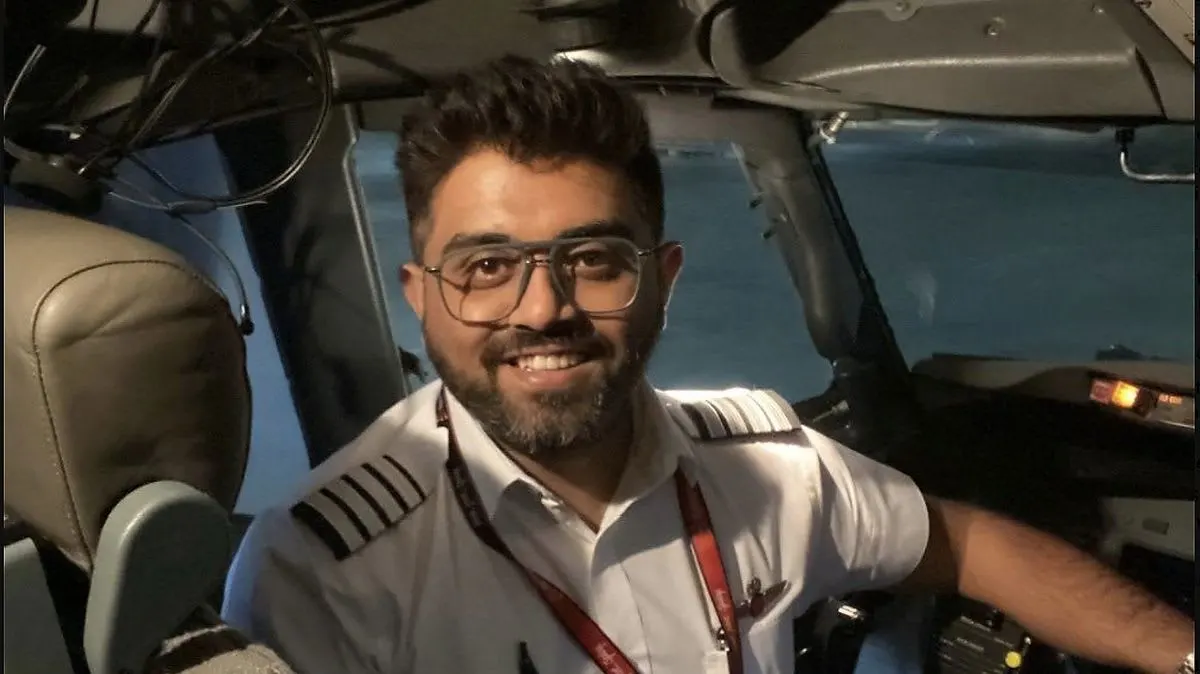
FlyDubai Flight FZ1073: Captain Stabbing Under Investigation