Flydubai FZ1073 Hijacking: Crew Thwarts Mid-Air Attack


A Flydubai FZ1073 pilot attempted to crash the plane after attacking the captain, but passengers and off-duty crew prevented the disaster.
Key Takeaways
- •Flydubai FZ1073 flight diverted to Tabuk after a cockpit attack.
- •First Officer Hamam al-Hammami used a crash axe to assault the captain.
- •Passengers and off-duty pilots restrained the attacker at 34,000 feet.
- •The aircraft lost 16,000 feet in 30 seconds during the struggle.
The Incident Aboard Flydubai FZ1073
On September 30, 2026, Flydubai flight FZ1073 departed Dubai for Tel Aviv carrying 174 passengers. The aircraft was commanded by 38-year-old captain Smit Machchhar and 29-year-old first officer Hamam al-Hammami. This Flydubai FZ1073 hijacking attempt represents a significant aviation insider threat, highlighting critical vulnerabilities in modern cockpit security. According to investigations, al-Hammami, who was hired by the airline just eight months prior, had allegedly planned to incapacitate the captain and crash the aircraft into urban targets in Tel Aviv.
The flight proceeded normally until 9:15 a.m., when the aircraft was at 34,000 feet on autopilot. Al-Hammami requested to pray, and shortly thereafter, he utilized an onboard emergency axe to assault Captain Machchhar from behind. The attack resulted in the captain sustaining a severed arm and severe blood loss. While Machchhar attempted to defend himself, al-Hammami repeatedly forced the cockpit door shut to prevent intervention.
Passenger Intervention and Emergency Response
The situation escalated at 9:20 a.m. when a passenger alerted an off-duty pilot in business class to the disturbance. This intervention proved critical, as Israeli passengers with military training managed to breach the cockpit and restrain al-Hammami. At 9:21 a.m., the assailant disengaged the autopilot and pushed the control stick forward, causing the aircraft to lose 16,000 feet in just over 30 seconds. During the dive, the aircraft exceeded its structural limits, resulting in partial rudder detachment. Passenger Yaniv Hayoun and two off-duty pilots intervened to stabilize the aircraft, returning it to normal flight.
Following the struggle, the flight was redirected by Saudi air traffic control to Tabuk, where it landed safely at 10:57 a.m. The UAE Ministry of Foreign Affairs confirmed the diversion and the safe landing of the aircraft. Captain Machchhar was hospitalized with serious injuries, and al-Hammami was taken into custody by Saudi authorities.
Regulatory Context and Security Vulnerabilities
The incident has reignited global debate regarding pilot vetting procedures and the design of fortified flight deck doors. Under 14 CFR 121.313 and equivalent EASA regulations, cockpit doors are designed to be impenetrable to prevent external terrorist access. However, this design can inadvertently trap rescuers during an insider threat scenario. Furthermore, the ICAO Annex 6 mandate requiring a crash axe on the flight deck for firefighting was repurposed by the assailant as a weapon, raising questions about the necessity of such tools in the modern threat environment.
Historical Parallels in Aviation Security
| Event | Date | Outcome |
|---|---|---|
| FedEx Flight 705 | 1994 | Crew fought off attacker, landed safely |
| EgyptAir Flight 990 | 1999 | Rogue pilot crashed into Atlantic |
| Germanwings Flight 9525 | 2015 | Co-pilot locked captain out, crashed in Alps |
Historically, events like the 2015 Germanwings crash demonstrated the danger of a rogue crew member isolating themselves in the cockpit. Conversely, the 1994 FedEx incident provides a parallel where physical resistance by crew members prevented a catastrophic outcome. The FZ1073 event mirrors these precedents, emphasizing the persistent risk of insider actors.
Technical Analysis of the Flight Deck Breach
The data suggests that the security paradigm for commercial aviation must evolve to address ideological radicalization among flight crews. Aviation security expert Menachem Bachrach noted that the incident likely stems from a lapse in rigorous background screening protocols. The fact that al-Hammami’s previous social media activity involving the filming of Israeli aircraft went unexamined suggests a potential failure in intelligence sharing or internal vetting processes. As the industry moves forward, the focus will likely shift toward continuous behavioral monitoring rather than static pre-employment background checks.
Pending Investigation Milestones
The Saudi Arabia Aviation Investigation Bureau and the UAE General Civil Aviation Authority are currently conducting a comprehensive review of the incident. A preliminary investigation report is expected by late 2026. This report will likely offer insights into the cockpit door locking mechanisms and whether the assailant successfully cut fuel supply to the engines, as suggested by the activation of emergency cabin lighting during the rapid descent.
Why This Matters for Airline Operations
For Flydubai and other international carriers, this event represents a major operational and reputational crisis. The incident necessitates an immediate reassessment of how airlines vet pilots, particularly those recruited from regions or companies with different security standards. For passengers and regulators, this highlights that the most significant threat to flight safety may reside within the flight deck itself, necessitating a balance between anti-terrorist fortification and the capability for emergency intervention.
Frequently Asked Questions
- What happened on Flydubai flight FZ1073?
- During a flight from Dubai to Tel Aviv, the first officer attacked the captain with an emergency axe in an attempt to hijack the aircraft. Passengers and off-duty pilots intervened to restrain the attacker and stabilize the plane after it lost 16,000 feet of altitude.
- How did the attacker gain access to a weapon during the flight?
- The attacker utilized the cockpit's emergency crash axe, a tool mandated by ICAO Annex 6 for firefighting and emergency egress purposes. This incident has raised questions about the safety implications of keeping such tools accessible on the flight deck.
- Are there vulnerabilities in cockpit security doors?
- Yes, while post-9/11 fortified doors effectively prevent external hijackers from entering the cockpit, they can inadvertently prevent cabin crew or passengers from intervening during an insider threat scenario where both pilots are incapacitated or fighting.
For global airline trends and commercial aviation news, turn to omniflights.com. Follow aviation sustainability efforts, emissions research, and green initiatives in the Environmental section at omniflights.com/environmental.

Written by Shashank Shukla
Co-Founder & CTO leading the engineering and AI systems behind Omni Flights. Covers aviation technology, flight safety, aircraft manufacturing, and emerging aerospace developments.
Visit ProfileYou Might Also Like
Flydubai Pilot Attack Raises Cockpit Insider Threat Concerns
Flydubai FZ1073 Hijack Attempt: Pilot Had Targeted Tel Aviv
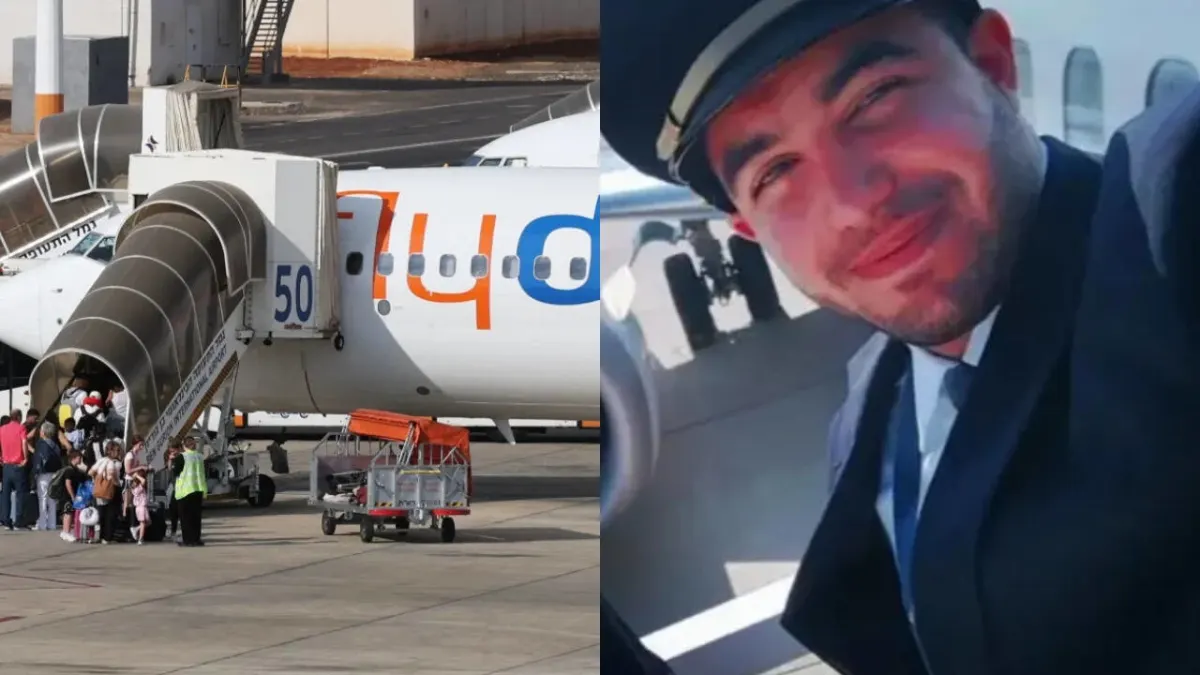
Flydubai FZ1073 Hijack Attempt Leads to 16,000-Foot Plunge
FlyDubai Flight FZ1073: Captain Stabbing Under Investigation

Flydubai FZ1073 Hijacking Thwarted After Cockpit Attack